Some songs about survival and self-worth grew into LGBTQ anthems because crowds refused to let them fade. Disco built the first wave. Gloria Gaynor's 1978 smash for Polydor spent three weeks at number one on the Billboard Hot 100 and later took home the Grammy for Best Disco Recording.
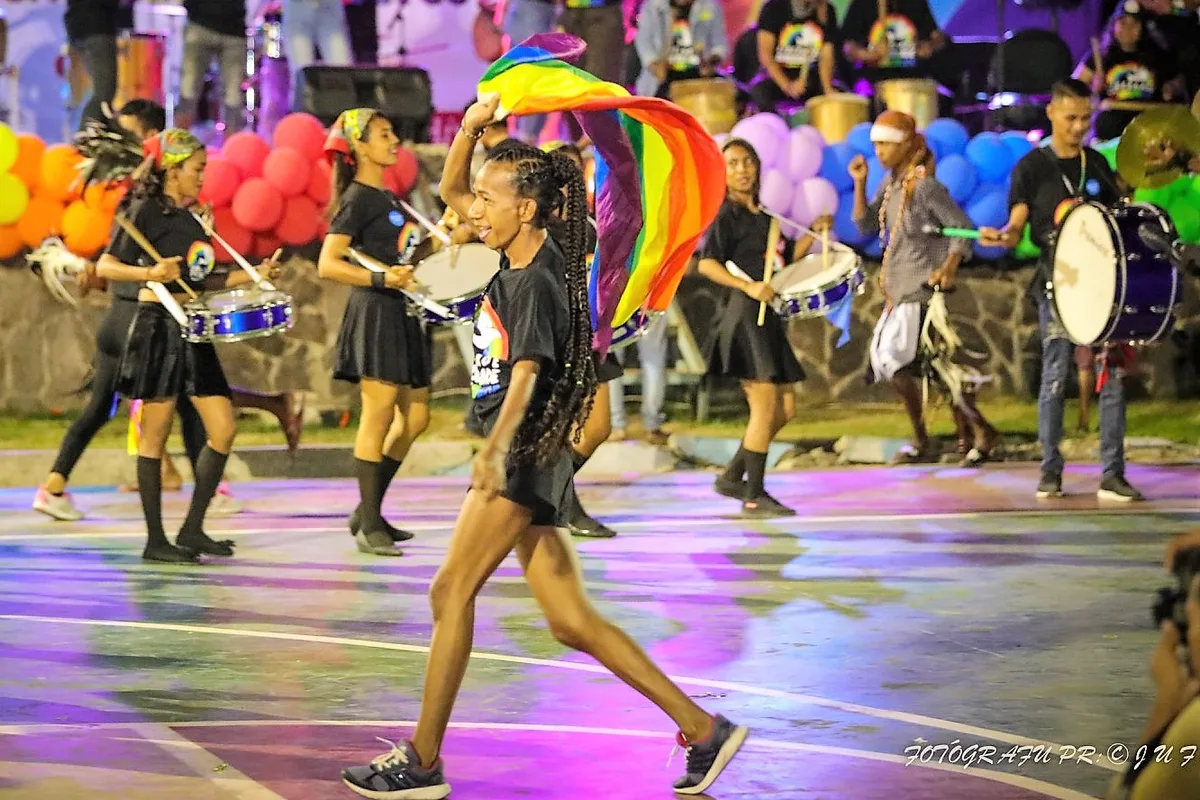
Miami never stopped singing them. Palace South Beach has staged drag shows on Ocean Drive since 1988, and its drag brunch still runs Friday through Monday, per the venue's site. The same choruses turn up at queer book clubs, on the sand and in every corner of queer culture in Miami.
What Turns a Song Into an Anthem
The words carry the weight. Wikipedia's overview of LGBTQ music notes that lyrics often voice the frustration, anxiety and hope tied to non-normative identities, and that popular music gives marginalized listeners a platform of their own. Set that message on a dance beat and a chorus becomes a group statement.
The crowd does the last part. Nobody hands out sheet music at a drag show. Wikipedia counts Judy Garland, Donna Summer, Madonna and Cher among artists embraced by LGBTQ audiences whether or not the songs were written for them, so a mainstream single can turn into community property once the right crowd adopts it. The same entry traces the lineage back to Ma Rainey and Bessie Smith, who cut openly lesbian songs in the 1920s.
Disco Wrote the First Chapters
Consider the most famous example. Gaynor's anthem, cut for the 1978 album Love Tracks, was written by Freddie Perren and Dino Fekaris after Motown let Fekaris go, according to Wikipedia. It also topped the UK and Irish charts, and the Recording Industry Association of America later certified it Platinum. Heavy radio airplay pushed it up the charts through 1979, per Wikipedia.
The honors kept arriving decades after the disco balls came down. The Library of Congress added the recording to the National Recording Registry in 2016 and called it culturally, historically and aesthetically significant. Billboard listed it among the best pop and dance songs again in 2023 and 2025. Wikipedia describes the track as an anthem of gay empowerment. Few records carry that kind of resume.
New Anthems Keep Arriving
The songbook never closed. Lady Gaga accepted the GLAAD Vanguard Award in 2019 as a prominent activist for the community, and she thanked LGBTQ people for developing house music at the 2023 Grammy Awards, per Wikipedia's music overview. Her catalog now sits next to the disco canon on Miami playlists. We covered a connected angle in The Singing Community: Gay Choruses and LGBTQ+ Music in Miami.
What the newcomers share with the oldies is a job description. Plain words, a big hook and a beat that forgives bad singing. Whether a number starts on a disco label or a pop one, the dance floor finishes it. Drag performers act as the bridge, cutting each new pop release into the canon one lip sync at a time.
Where Miami Plays Them
Most of it costs nothing to hear. Palace South Beach runs its drag brunch Friday through Monday and pours drinks at its rooftop bar above Ocean Drive, per the venue's site. The bar traces its run on that strip back to 1988 and calls itself the heart of South Beach's gay scene. Reservations go through the palace's own page.
Beyond the Drive, neighborhood bars and pool parties spin the same records all year. Pride season turns the volume up, but the anthems never wait for June. They score Sunday recoveries, birthday brunches and random Tuesdays, which is how a song becomes a fixture instead of a trend.
Conclusion: Choruses That Never Left the Floor
Anthems last because they work. They hand people words for hard weeks and a beat for good ones, from a 1978 disco single to whatever drops next Friday. Gaynor's survivor ballad and Gaga's catalog do the same job on different speakers. Learn the words once and Miami will hand you a place to use them for decades.