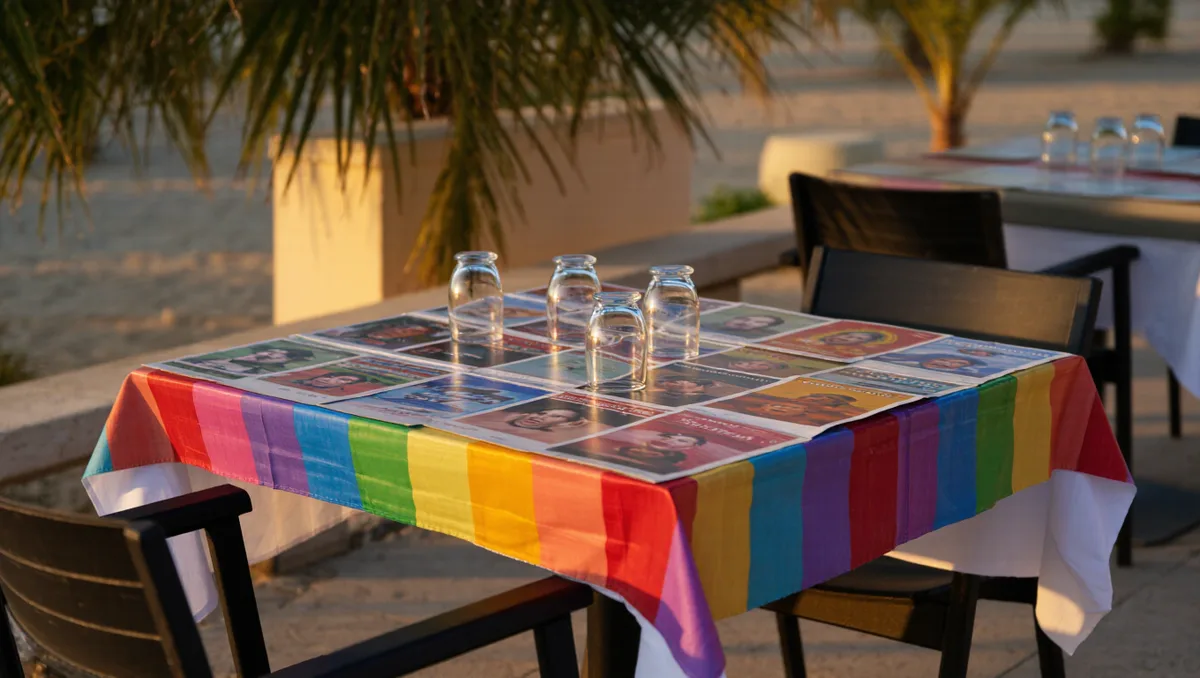
Miami Beach remains one of the most recognizable LGBTQ destinations in the United States, and the reason is simple: the welcome is built into the geography. A few square miles of barrier island hold the beach, the hotels, the restaurants and the clubs within walking distance of one another, so a visitor never has to choose between a day in the sun and a night out. This guide walks the city neighborhood by neighborhood, with practical notes on where to stay, eat and dance.
A note on the word in the headline: Merriam-Webster defines "ultimate" as the last or most extreme of its kind, and no city guide can honestly promise that. What Miami Beach offers instead is density — more queer life per block than almost anywhere in Florida — and this guide is built around that density rather than any claim of final authority. For more of our practical coverage, start with our other guides.
Where should a first-time visitor base themselves?
For most LGBTQ travelers, the answer is South Beach, the southern end of the island where Ocean Drive meets the sand. Hotels here range from grand Art Deco landmarks to small guesthouses, and a number of properties have long histories as gay or gay-friendly stays. Staying south of about 20th Street puts you within a short walk of the beach, the dining streets and the nightlife, which matters because Miami Beach is genuinely walkable in a way much of South Florida is not.
Mid-Beach, farther north, trades some of the scene for quieter blocks and larger resort properties. North Beach, at the top of the island, is quieter still and less expensive. If your trip is centered on nightlife, stay south. If it is centered on the beach itself, either of the northern areas can work, at the cost of a rideshare or a longer walk after dinner.
What is the beach scene actually like?
The stretch of sand around Ocean Drive and Lummus Park is the traditional social heart of the gay beach, particularly the sections near the lifeguard towers between roughly 5th and 15th streets. The crowd skews social and visible, especially in high season, and the atmosphere is open rather than segregated — straight visitors, families and queer travelers share the same sand. The city's beaches are public, so there is no gate and no fee; you bring your own chair and umbrella or rent from vendors on the promenade.
Two practical notes. First, Florida sun is not a suggestion: the midday UV here is serious year-round, not just in summer, and visitors from northern latitudes underestimate it in winter. Second, the beach is a public space in a city with a real residential population, so the usual rules about noise and behavior are enforced. Nothing about that is unfriendly — it is just the difference between a resort town and a neighborhood that happens to have world-class sand.
Where do you eat, and what does it cost?
Miami Beach dining splits into three zones. Ocean Drive is the postcard: outdoor tables, people-watching, and prices that reflect the view. Lincoln Road, the pedestrian mall a few blocks west, is where locals actually eat, with a wider range of cuisines and more reasonable checks. Española Way, a short pedestrian street off Washington Avenue, is the most charming of the three — Mediterranean-style architecture, small restaurants, and a quieter evening pace.
Budget honestly. A dinner with a drink on Ocean Drive can easily run past what the same meal costs on Lincoln Road, and neither is a hidden gem in the discount sense. Happy hours are the reliable equalizer: many restaurants along the pedestrian streets run them in the late afternoon, and timing your main meal before 7 p.m. is the single easiest way to cut a Miami Beach food bill without eating badly.
What about nightlife — and is it still what it used to be?
The honest answer is that the scene has shifted, and it is worth understanding how before you plan a night out. South Beach's club era peaked decades ago, and the center of gravity for South Florida's queer nightlife has partly migrated west to Wilton Manors, the gay village just outside the beach in Fort Lauderdale's orbit. Our piece on how Miami's queer business map shifted follows that movement in detail. For related coverage, see Two Districts, One Community: How Miami's Queer Business Map Shifted.
That said, Miami Beach did not empty out. Washington Avenue and the streets around it still carry dance clubs and bars, and a few institutions have outlasted every trend. Twist, on Washington Avenue, has run for a quarter century without a closing night, which our profile of the South Beach club that never slept documents. Cover charges, when they exist, are modest by big-city standards, and the clubs run late — genuinely late, in the Miami fashion, so plan your evening backward from sunrise rather than forward from dinner. We covered a connected angle in Twist's Quarter Century: The South Beach Club That Never Slept.
What should a visitor know beyond the beach and bars?
Three things. First, Miami Beach is more than its party reputation: the Art Deco Historic District, the boardwalk running north from South Beach, and the quieter western islands are worth a morning each, and none of them cost anything to see. Second, if your trip includes a Pride visit, our Pride coverage tracks the regional calendar, because Miami-Dade's pride events are spread across neighborhoods and months rather than concentrated in one weekend.
Third, plan for the practical realities of South Florida travel. Rideshares are cheap and plentiful, but traffic on the causeways from the mainland can turn a fifteen-minute trip into an hour at rush hour, so schedule airport transfers around it. Summer is humid and stormy; the trade is lower hotel rates and thinner crowds. And if you need health care or testing while visiting, our guide to LGBTQ+ health resources in Miami-Dade lists the community clinics that serve visitors as well as residents.
What this means for your trip
The evidence of the last few decades points one way: Miami Beach's LGBTQ draw is no longer a single club or a single week in June. It is the combination of a walkable island, an open beach culture, a dining scene that runs the full price range, and nightlife that has aged rather than disappeared. Come for the sand, stay for the people-watching, and budget for the parts of the trip that are not on the postcard — the rideshares, the sun protection, and the late-night cover charge. The island rewards visitors who treat it as a neighborhood, not a backdrop.