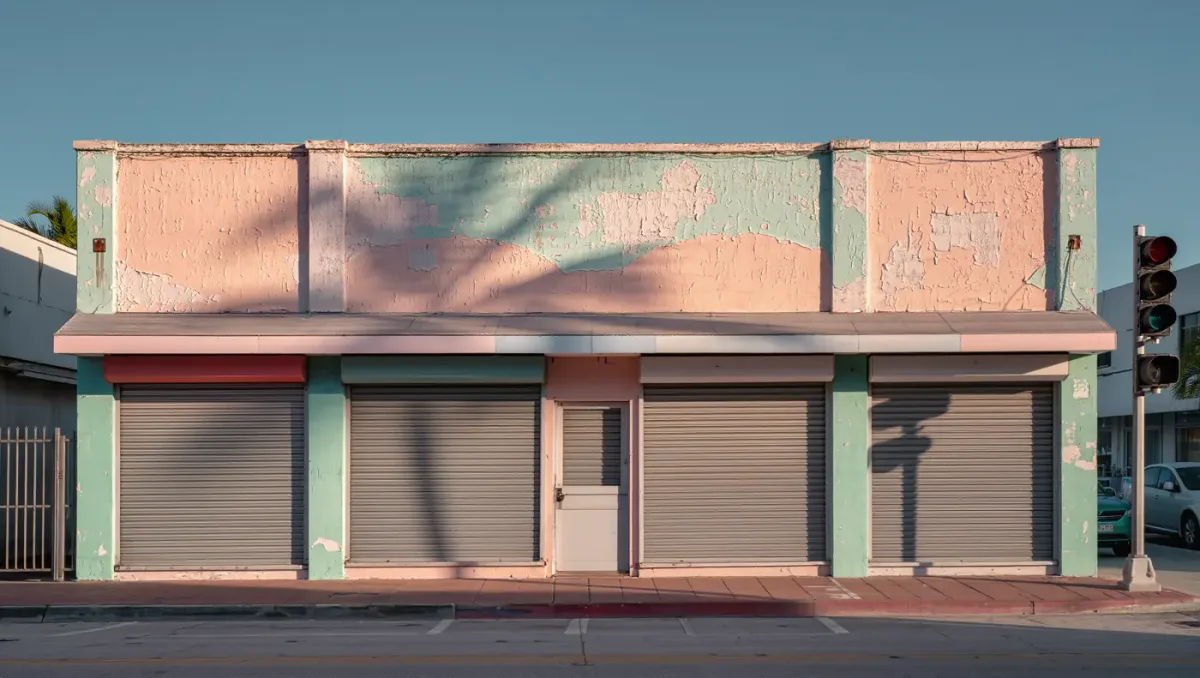
For roughly twenty-five years, Twist operated on South Beach's Washington Avenue corridor with a claim no competitor matched: open every day of the year, no cover charge, seven nights a week. Per contemporaneous reporting on its 2020 closure, the club opened in 1994 during South Beach's queer-led revival era and became the strip's most durable LGBTQ+ venue — a multilevel, multiroom institution that survived neighborhood transformations that closed nearly everything else from its era.
What made Twist's format unusual?
The consistency. Miami nightlife runs on cycles — venues open with investment, peak, and close within a few years — but Twist ran a steady-state model: open nightly, free entry, multiple bars and dance floors under one roof, with DJs rotating between rooms. Per documented venue histories, the never-a-cover policy was foundational: revenue came from the bar, which meant anyone could enter, which meant the crowd mixed locals, visitors, and the merely curious every night. In a neighborhood that priced most things upward for three decades, a free door was itself a statement.
What was inside, for those who never went?
Rooms with distinct identities: per the venue's own descriptions across its run, Twist packed several bars, dance floors, and themed rooms — from high-energy dance to video lounge — into a narrow Washington Avenue footprint, with a patio that served as the strip's people-watching post. The multiroom layout let different crowds share one building — tourists in one room, locals in another — which smoothed the venue's economics across seasonal swings and kept it open through the beach's transitions from gay resort town to mainstream party strip to luxury destination.
How did it survive the neighborhood's transformation?
By being useful to every version of South Beach. During the queer resort decades, it was a community anchor; as the mainstream party economy arrived, it absorbed the visitor demand that kept venues alive; and as Washington Avenue's nightlife economy convulsed in the 2010s — venue churn, crackdowns, redevelopment — Twist's paid-off, long-held location and free-door volume model kept the lights on. Contemporaneous reporting through the 2010s repeatedly cited it among the strip's last venues from the queer revival generation.
Why did it close in 2020?
The pandemic. COVID-19 closures in March 2020 shut nightlife statewide, and per reporting on the closure announced that summer, the economic math of an indefinite shutdown ended the venue's run after roughly 25 years. Its closure coincided with the end of an era: the pandemic years closed several long-running South Florida LGBTQ+ venues, and Twist's departure removed South Beach's last daily-open queer institution from the strip it helped define.
What does its history tell the community?
Two things worth keeping. First, the free-door model worked for a generation — proof that venue economics and open access can coexist, and a standard later venues are measured against. Second, institutions end when their physical situation changes, not when their community does: Twist closed with its audience intact, per the reporting around its final nights. The venue's lesson for the scene that followed — in Wilton Manors and beyond — is that consistency itself is the product: show up every night, keep the door open, and the community builds its calendar around you.