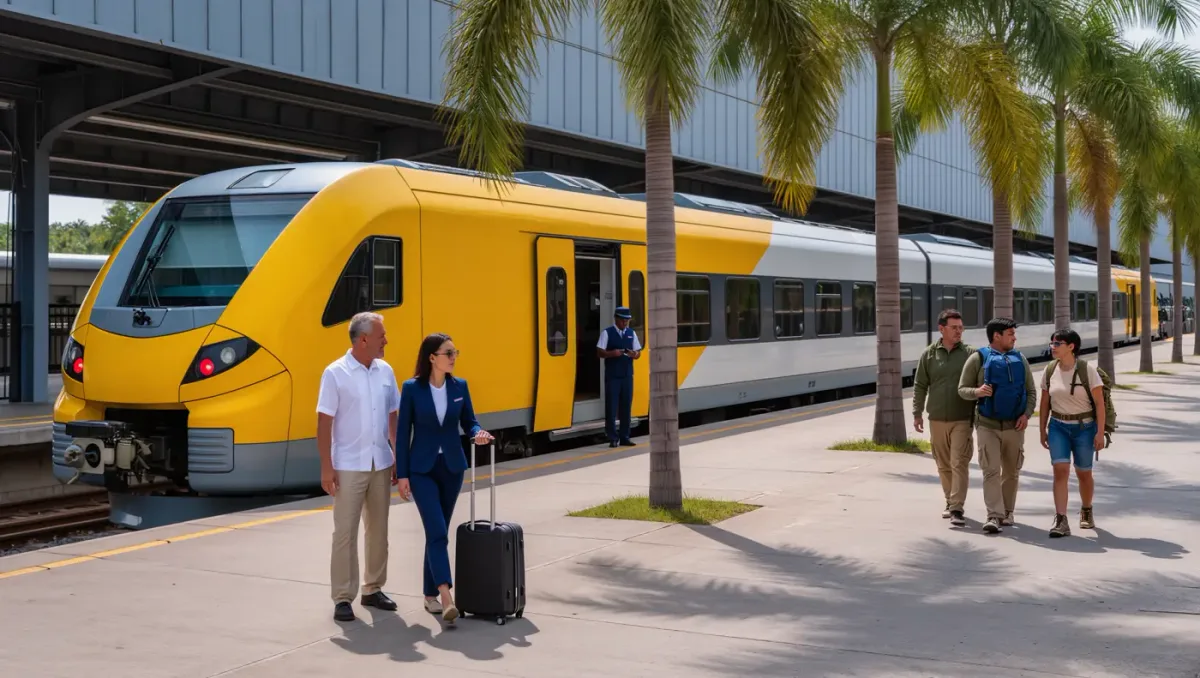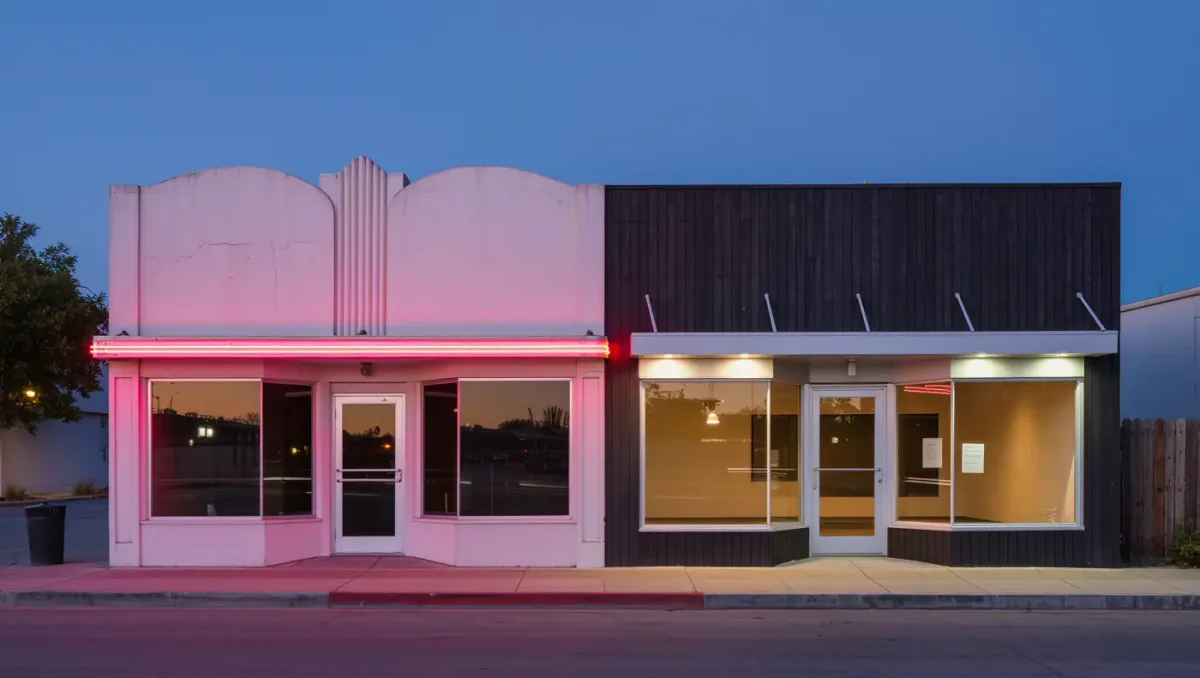
South Florida's LGBTQ+ business community operates out of two districts, an hour apart: South Beach, the barrier-island legend where the community built a neighborhood's economy from scratch in the 1980s, and Wilton Manors, the Broward city where that community's institutions now concentrate. The shift between them — storefronts and hotels to the north, venue by venue, across three decades — is the region's clearest economic story, and understanding it explains everything from where pride weekends feel local to why a Fort Lauderdale address now anchors South Florida queer commerce.
What did the South Beach economy look like at its peak?
A dense queer commercial ecosystem: per documented neighborhood histories, by the 1990s the beach held LGBTQ+-owned hotels, restaurants, bars, gyms, boutiques, and professional services within walking distance — a self-sufficient village economy on the resort strip. The community was both proprietorship and clientele: businesses owned by the people they served, staffed by them, and financed by them. That density was the revival's economic engine — the same wave that restored the art deco buildings staffed and patronized the storefronts beneath them.
What changed on the beach?
The documented succession: success raised property values and rents; mainstream luxury tourism became the neighborhood's revenue model; and the community businesses that pioneered the revival found themselves priced against international brands rather than neighbors. Per the district's own commercial histories across the 2000s and 2010s, LGBTQ+ venues and ownership declined as a share of the strip's economy — not through displacement by fiat but through the market's arithmetic. The pandemic accelerated the endgame for remaining legacy venues. What remains is a hospitality layer oriented to visitors, with the community's residential-commercial core migrated north.
Why did Wilton Manors win the institutions?
Structural advantages: mainland economics without barrier-island speculation, a small city government friendly to the community, housing stock priced for actual residents, and a walkable commercial spine — Wilton Drive — that could hold a district the way Ocean Drive once did. Per documented district histories, the migration accumulated through the 2000s and 2010s until Wilton Manors held one of the country's densest concentrations of LGBTQ+-owned businesses and venues. Census and community analyses in recent years have noted the city's demographic distinction: a municipality where the community is the resident majority economy, not a tourism segment.
What does the new map mean for businesses?
Different strategies for different addresses. The Wilton Manors model is year-round local: steady district traffic, community loyalty, and event weekends — October pride above all — as amplifiers. The beach model is visitor-facing: seasonal peaks, hotel partnerships, and event-driven sales around April pride and the winter season. Per commercial patterns visible in recent years, some operators run in both — a Wilton Drive anchor with beach presence during peak — and the region's LGBTQ+ chamber and business networks, which have organized South Florida queer commerce since the 1990s, serve both economies from the center.
Is the two-district map stable?
Worth watching. The Broward anchor looks durable — built on residence rather than resort economics. The Miami-Dade side is more fluid: Wynwood's nightlife economy has absorbed part of the scene, Latinx-led commerce spreads across the county rather than concentrating, and the beach's residual layer depends on tourism cycles. If South Florida's queer business map redraws again, the lesson of the last shift applies: the community follows affordability and municipal welcome — and wherever it concentrates next, it will build the district the same way it built the last two.