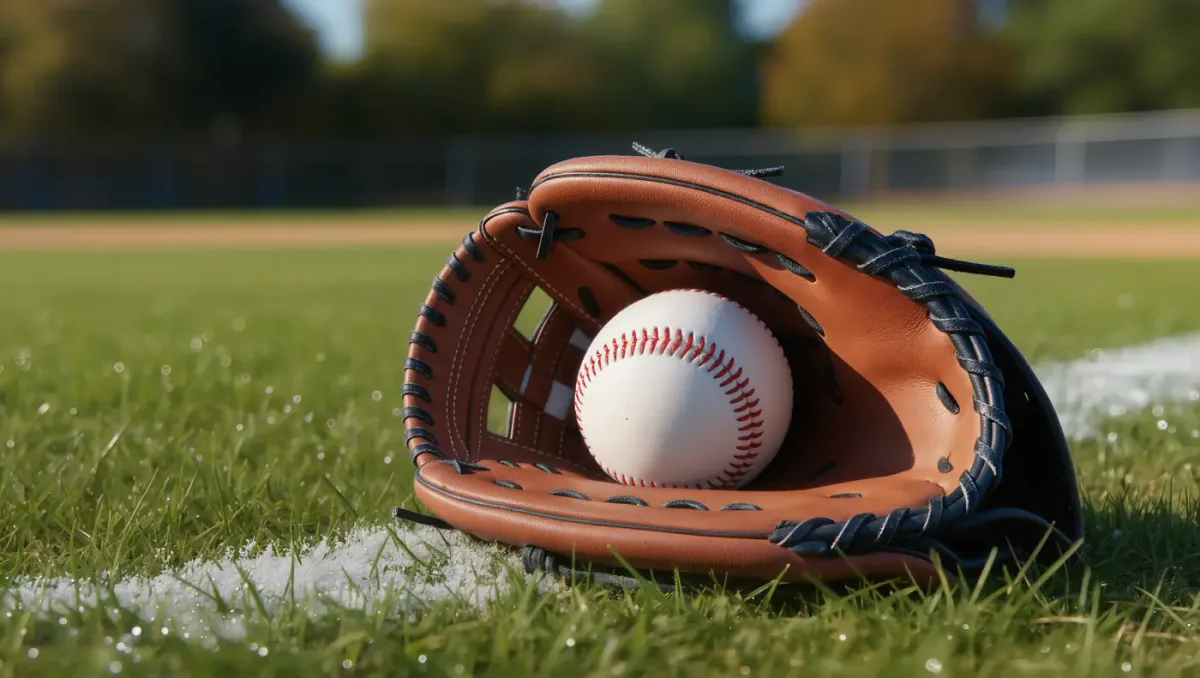
Every Sunday across South Florida's parks, the community's most durable social infrastructure plays out in cleats: queer softball leagues, kickball seasons, volleyball nights, and bowling circuits that draw hundreds of players into organized, recurring, sober-ish daylight community. The sports scene rarely makes the community's headline imagery — festivals and nightlife own the camera — but as any participant will attest, the leagues are where friendship networks actually sustain: weekly, seasonal, mixed-age, and organized by people who treat a season schedule as civic infrastructure.
How did queer sports leagues start?
The national pattern arrived with the community's post-Stonewall institution-building: leagues formed so people could meet outside bars — a documented motive from the earliest gay softball circuits of the 1970s, which grew into today's national and international tournament networks. South Florida followed the template, and its version gained advantages from geography: year-round outdoor weather means no off-season, public parks mean no venue costs, and a large permanent community means leagues sustain across decades rather than folding with a founding generation. Per league histories and national association records, the sport circuits have run continuously in the region for decades.
What leagues actually play here?
The recognizable circuit: softball in its national network of gay softball associations, with local leagues feeding regional and World Series tournaments per the national association's structure; volleyball in community gym nights and beach formats; kickball, whose casual format made it a gateway league for newcomers; bowling and billiards in the indoor seasons; and the smaller scenes — tennis groups, running clubs, cycling crews — that round out the calendar. Per published league information in recent years, most local leagues run open-to-all registration with skill divisions, meaning a first-timer can join a season without prior experience or an existing friend group.
Related stories: Two Districts, One Community: How Miami's Queer Business Map Shifted · Growing Old in the Community: SunServe and South Florida's LGBTQ+ Elders.
Why do leagues matter more than they get credit for?
Three structural reasons. They run in daylight and sobriety, which makes them accessible to populations — younger people, elders, non-drinkers, families — that nightlife does not serve. They run weekly on schedules, which builds the recurring contact that friendship research consistently identifies as the ingredient social life needs. And they are participatory by design — unlike venues, where the community watches performers, leagues make every member the talent. For researchers of community resilience, these are the classic ingredients of social infrastructure, and the leagues embody them with almost no institutional support.
How do the leagues connect to the wider community calendar?
As both feeder and beneficiary. League seasons fund and field teams for tournament travel; leagues run fundraisers for community causes; and pride season recruits directly from diamond and court — the festivals' volunteer base overlaps heavily with league rosters, per the communities' overlapping networks. Sponsorship runs the other direction too: community venues and businesses sponsor teams, binding the commercial district to the recreational one. The result is a closed economic loop with open membership — one of the healthiest structures in community life.
How does someone join?
The leagues make it deliberately easy: registration windows are published before each season, skill divisions sort the novices from the veterans, and most leagues maintain the informal rule that new players without a team get placed — per published league information in recent years. Bring shoes and a season's fee; the rest is on the schedule. In a region whose queer social map is famous for its nightlife, the most reliable way into community may be a Sunday morning in the sun, waiting for a pitch.