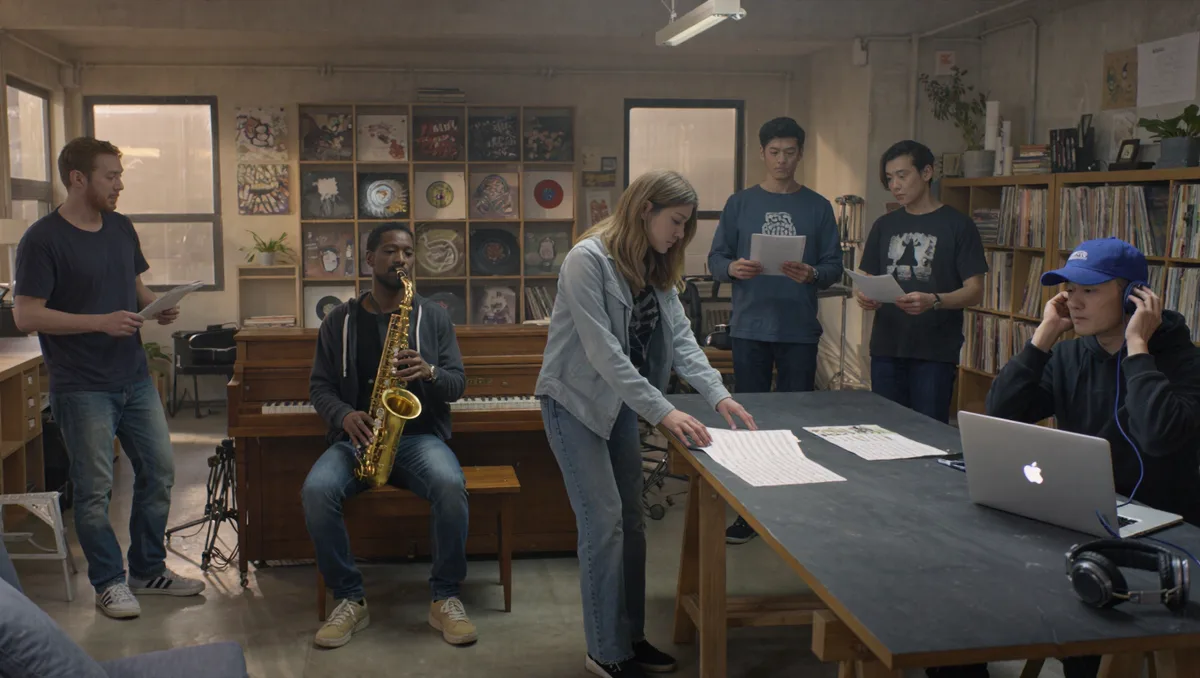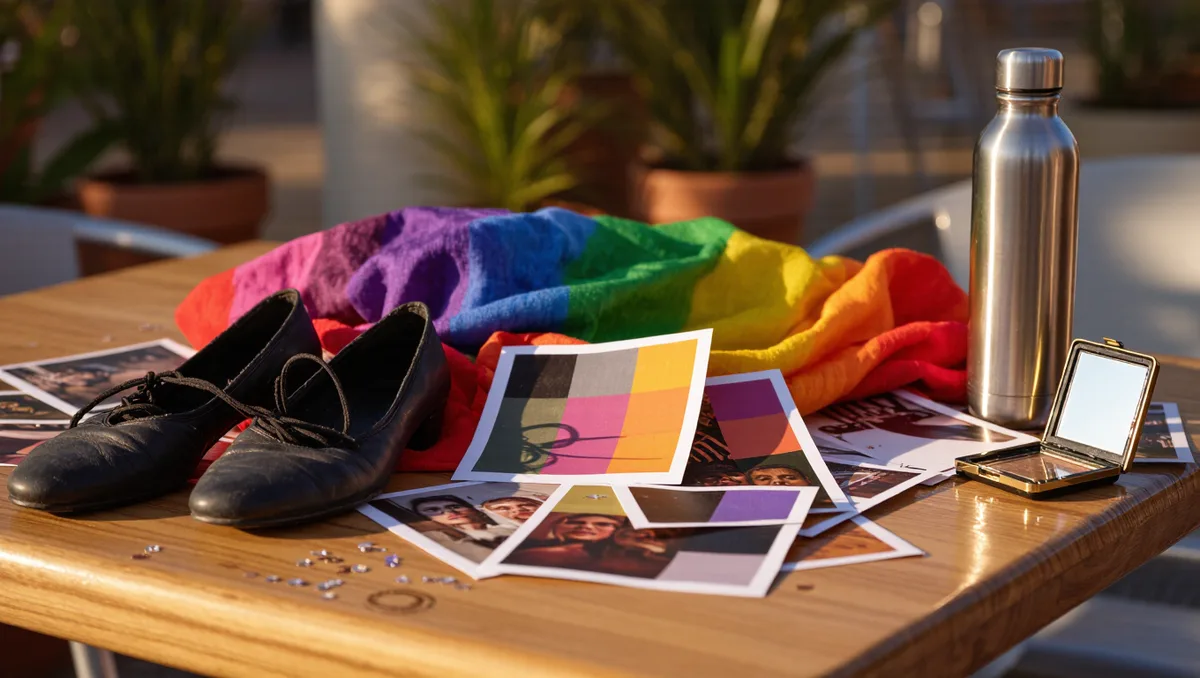
Ballroom in Miami runs on a simple engine: houses — chosen families with a name, a mother or father, and a roster — prepare their members to walk categories at events called balls. A judge calls a category, performers compete in front of a crowd, and legends get made one trophy at a time. Miami's scene carries its own accent, shaped by the city's Caribbean and Latin American rhythms and by a local community that has long made space for performance after dark.
This guide explains how the whole thing works. It covers what a house actually is, what happens at a ball, the language you'll hear from the floor, and what makes Miami's place in the scene distinct. No attendance required — by the end, you'll be able to follow a ball from the first category call to the last walk.
What exactly is a house?
A house is a chosen family. It has a name, usually inherited or invented with purpose, and a structure that borrows from real family: a mother, sometimes a father, and the children — the members the mother mentors. Houses exist to train performers, to vouch for them at balls, and, historically, to catch people that their blood families and the wider world had dropped. For many members, the house was the first place an identity was said out loud without apology.
That function matters when you think about what ballroom grew out of. The scene took shape in cities where Black and Latino LGBTQ+ people were pushed to the margins of the margins — unwelcome in mainstream gay spaces and unwelcome in white drag circuits. So they built their own. A house is part performance troupe, part support network, and part lineage. When a member walks and wins, the whole house's name gets called. That's the point.
Miami's houses sit inside that broader story but speak it in the city's own languages. Walk into a local ball and you may hear calls and banter slip between English and Spanish, with Caribbean cadence underneath. The city's long history of queer performance — the drag institutions, the nightclub lineages — gives local houses a stage culture to draw from, as our primer on Miami's queer nightlife history traces back decades.
What actually happens at a ball?
A ball is a competition, structured like a showcase with a judge's table. An emcee — often a legendary commentator with a rhythm all their own — calls categories one by one. Competitors in that category walk the floor, usually alone at first, then in head-to-head battles called battles, until the judge narrows the field and names a winner. The crowd is not a quiet audience. It reacts, chants, and lets a performer know within seconds whether a walk landed.
Categories split broadly by performance type and by who's walking. There are vogue categories — old way, new way, femme — where the dancing itself is the test. There are runway categories, judged on walk, body, and presence. There are realness categories, where the task is to be read as convincingly a certain kind of person — a soldier, a schoolboy, an executive — a craft with sharp commentary baked into it. And there are sex siren and face categories, judged on presence and features respectively. Dress code is announced in advance; showing up outside it is a quick way to be chopped, the scene's word for being cut.
Walk into your first ball as a spectator and a few practical notes help. Dress up — the audience is part of the visual world of the event. Let the regulars claim the floor for walking; the categories are for competitors, not volunteers from the crowd. And listen more than you film. The commentary is half the show.
Where does vogue fit in?
Vogue is ballroom's signature dance form, and it takes its name and its poses from fashion magazines. Dancers strike angular shapes — the frame of a model mid-spread — and cut between them in time with the music. The older vocabulary, old way, favors sharp, clean lines. New way brings elastic contortions and intricate arm work. Femme queen performance leans into fluidity and drama. Vogue fem, vogue femme, hands, spins, dips — the dip, dropping low to the floor and rising, is the move most people know even if they don't know they know it.
The form traveled far beyond the ballroom floor — into pop music videos, dance studios, and social feeds — and that visibility cut both ways. It brought new dancers into the scene and, at times, stripped the form of its context. The context is this: vogue was built by queer Black and Latino dancers, many of them house members, many of them young people with nowhere else to practice. When you watch it in Miami, you're watching a folk form that survived by being passed hand to hand.
What does the language mean?
Ballroom's vocabulary is dense and mostly self-explanatory once you've heard it in context. A walk is a competitor's turn in a category. To be chopped is to be eliminated. Fierce, sickening, and serving are praise — high praise. Reading is the art of the sharp, comic roast; shade is its subtler cousin. A legend is a competitor recognized across the scene for sustained wins, and an icon sits above that. Legendary status is earned at balls, not claimed online.
Much of this language has leaked into everyday speech, which is worth knowing before you use it casually. Our glossary, The Language of Pride: LGBTQ+ Terms Explained Respectfully, covers the wider vocabulary and the etiquette around it. The short version: the words carry history, and the history deserves the respect of getting the words right.
What makes Miami's ballroom scene its own thing?
Geography and migration shape any ballroom scene, and Miami's inputs are distinctive. The city's queer communities include deep Caribbean and Latin American roots, and that shows up in the music a DJ reaches for, in the runway looks, and in the way a house blends traditions. Our coverage of queer Latinx culture on and around Calle Ocho sketches the wider cultural ground the scene stands on. Ballroom in Miami doesn't sit apart from the city's other performance worlds, either. Drag venues, theater stages, and club nights feed the same talent pool, and performers move between them — the line between a ballroom category and a drag stage is porous here, as anyone who has followed Ocean Drive's long-running drag institution can tell you. For related coverage, see Queer Latinx Miami: Culture on and Around Calle Ocho.
Our analysis: what makes a local scene healthy isn't the size of its trophies but the pipeline behind them. A scene thrives when houses can mentor newcomers, when venues host balls without squeezing them, and when the community shows up as audience and not just as content. Miami has the ingredients. What the scene needs, like any living tradition, is for people to keep coming back — in October as much as in June, when the calendar is full everywhere else too. Check our events listings for balls and ballroom-adjacent nights around the city.
Where should a newcomer start?
Start as an audience member. Follow Miami houses and local promoters on the platforms where they announce events, buy a ticket when a ball is posted, and go ready to watch. If you want to walk eventually, most houses meet newcomers through open practice sessions or through people you already know in the scene — ask around respectfully, and let the house decide when you're ready. The scene runs on invitation and reputation, not on sign-up sheets.
Support the ecosystem while you learn. Ballroom performers also teach, host, and appear across the city's queer performance calendar, from theater and performance stages to gallery nights in Wynwood. Showing up for the whole culture, not just one night of it, is what keeps the lights on.
What the evidence of the scene's own structure establishes is this: ballroom works because it is mutual. Houses carry their members; balls carry the houses; audiences carry the balls. Miami's place in that chain is secure as long as the city keeps its end of the bargain — the crowd, the floor, and the room.
Sources: store.steampowered.com · gizmodo.com