Miami's queer Latinx culture does not live in a separate district. It runs through the same corridors as the city's broader Latin American life — Little Havana's cafes, Kendall's living rooms, Hialeah's kitchens — overlapping, arguing with, and reshaping them. Per Census data, Miami-Dade is roughly two-thirds Hispanic; its queer community is therefore a Latino community with a queer minority inside it and a queer majority nowhere in particular. That demographic fact explains everything distinctive about queer Latinx culture here: the bilingualism, the family negotiations, and the music.
What role does music play?
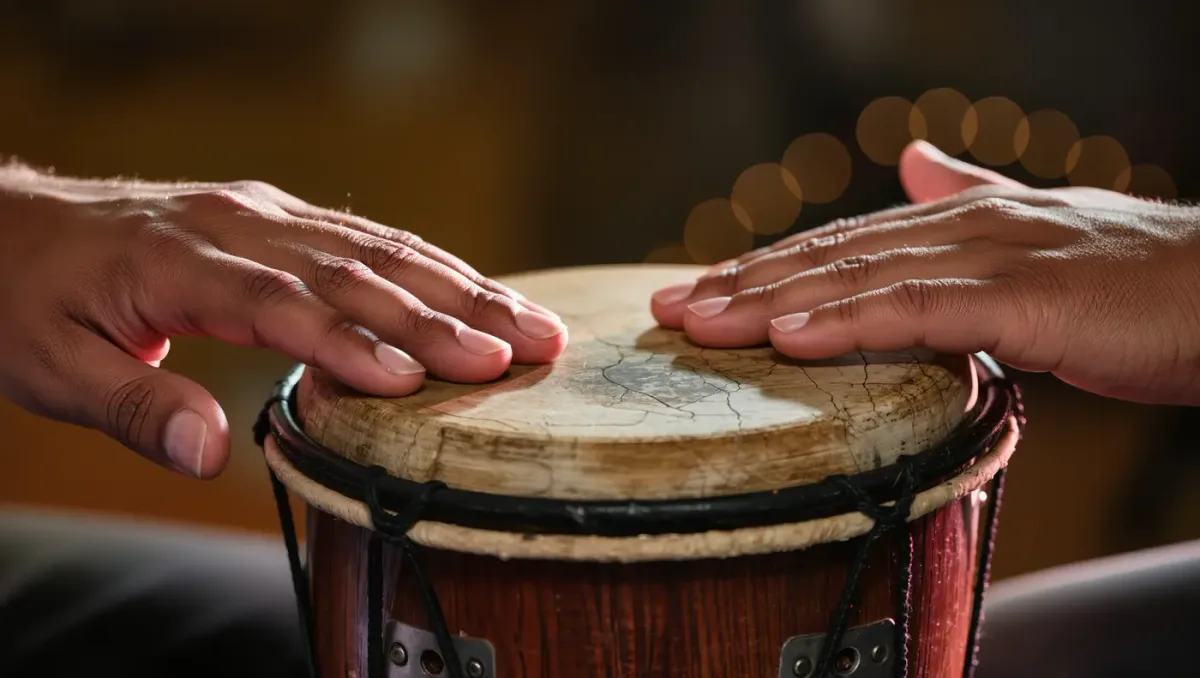
The organizing one. Latin music scenes — salsa, reggaeton, and their Miami variants — structure queer Latinx social life the way the circuit structured an earlier generation: themed nights at Latin venues, queer salsa socials, and the reggaeton club economy that has run Miami nightlife for two decades. Per documented club programming across recent years, Latin queer nights are among the most consistent weekly events in the region, drawing crowds that span nationalities within Latin America — Cuban, Colombian, Venezuelan, Brazilian — under one soundsystem. The dance floor is where a diaspora meets itself.
How do family and faith figure in?
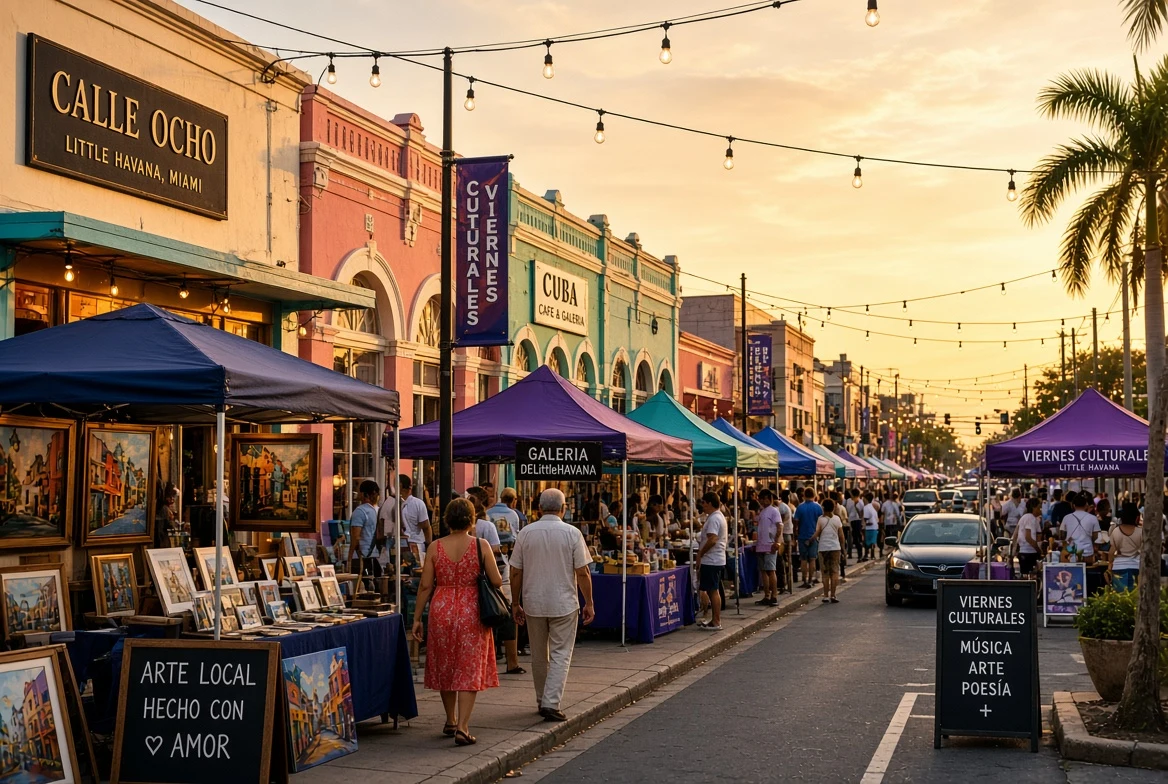
As the central negotiation. Latin American family structures are close-knit and, in many communities of origin, religiously conservative — which has made family acceptance the defining personal project for generations of queer Latinos, and family-inclusion programming a priority for Miami's community organizations. Per organizer materials in recent years, local groups run Spanish-language family support programs, and events like the Gay8 festival have deliberately staged queer celebration inside family spaces — Calle Ocho itself — to normalize presence across generations. Faith communities have evolved unevenly: welcoming congregations exist across South Florida, including Spanish-language parishes and churches that have publicly embraced LGBTQ+ members, though acceptance varies widely by congregation.
What does the vocabulary tell you?
That the culture is translating itself in real time. English-language terms like Latinx carry contested status in Spanish-speaking communities — critics note the word barely functions in Spanish grammar, per widely reported language debates — while gender-neutral Spanish innovations circulate through younger speakers and queer media. Miami's bilingual reality makes the community a front line of that evolution: signage, programming, and conversation here routinely code-switch mid-sentence, and queer Latinx venues have been early adopters of the new vocabulary precisely because their audiences live it.
How is queer Latinx visibility expressed publicly?
Through the festivals and venues rather than separate institutions. The Gay8 festival on Calle Ocho, Latin-themed pride events in June, queer participation in the city's broader Latin cultural calendar — these are the visible layer. Beneath it runs the everyday economy: queer Latinx-owned businesses across the county, performers and DJs with devoted followings, and community organizations providing Spanish-language health and legal services. The visible and everyday layers reinforce each other, which is why visibility here reads as ordinary presence rather than exceptional declaration.
Why does this culture matter to Miami's future?
Because it is the city's demographic future, organized. As younger, U.S.-raised Latino generations come of age with different rates of acceptance than their parents' generation — per national survey trends in recent years — Miami's queer Latinx community is positioned at the junction: traditional enough to carry the culture forward, queer enough to transform it. The cafecito, the quinceañera, the dance floor: each is being renegotiated in this city right now, and the terms will define Miami's Latin culture for the next generation.