The OutShine Film Festival each April is Miami's queer cinema headline, but the month-long event covers only a fraction of the region's queer film life. Between festival editions, queer cinema reaches South Florida audiences through repertory screenings at the region's independent theaters, institutional series at museums and universities, and the streaming-era curators who decide what the canon looks like for viewers at home. Watching queer film year-round in Miami is less about scarcity than navigation — the programming exists, scattered across venues and calendars.
Where does queer film screen outside festival season?
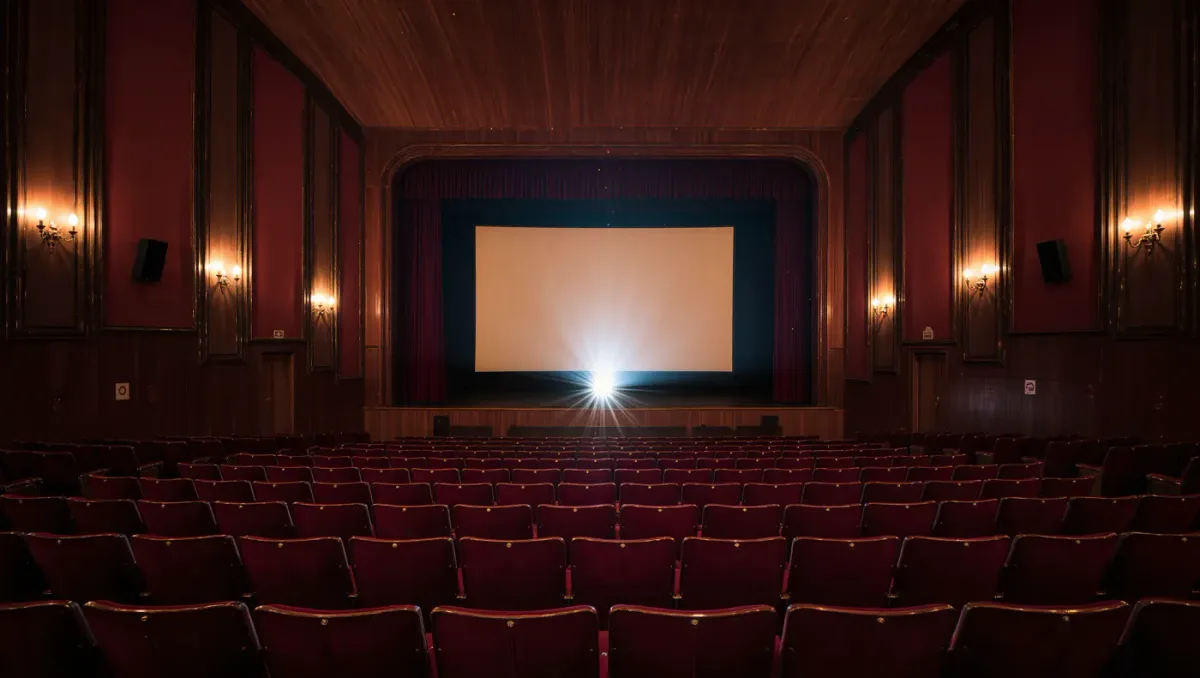
The region's independent and repertory-oriented theaters are the primary venues: Miami's longtime art-house cinema in the Rippleback/MIAMI CINEMATEQUE tradition and the county's single-screen landmarks program repertory and international film with queer titles recurring throughout their calendars, per published schedules in recent years. Institutional series add volume — museum film programs and university series screen restored classics and new documentaries, often with directors present — and December's art fair weeks bring film programming in their cultural orbit. The habit that works: check the independent theaters' monthly calendars rather than waiting for a dedicated queer event.
What has streaming changed about queer film?
Access and curation, in opposite directions. Access expanded dramatically: films that once played one festival week now reach home viewers globally, and streamers' catalogs carry decades of queer cinema restored or newly subtitled. Curation fragmented correspondingly — no single platform carries the full canon, rights rotate unpredictably, and significant work cycles in and out of availability. Per widely reported industry data across recent years, LGBTQ+ representation in released features has grown while theatrical bookings for indie queer film concentrate into festivals and select cities — making in-person festival and repertory screenings the only reliable way to see much of the new work at all.
Which films belong to Miami's own queer film history?
The region appears on screen more than viewers might expect: South Beach's superclub era was documented in films and documentaries of the 1990s; the community's crisis years surface in documentary work; and Latin American queer cinema — one of the most vital currents in world film for two decades — screens here to audiences that include the communities it depicts. Miami audiences are also uniquely positioned for Latin American and Caribbean queer film: per festival programming across recent years, Spanish-language titles are a programming strength of the regional festival precisely because the audience shows up for them.
How should a viewer build a year of queer film?
Anchor the calendar, then fill it. Anchor: the April festival, plus one repertory screening per season from the independent theaters' calendars. Fill: a streaming watchlist built from festival prize lists — OutShine's audience awards are a reliable annual reading list — and institutional series announcements from museums and universities. Add a classic per month from the restored-canon work that repertory houses and streamers circulate. By year's end, the total is a self-taught course in the canon, watched the way it was meant to be seen: with other people, in the dark, on a screen bigger than a phone.
Why does in-person screening still matter?
Because queer film's history is a history of audience. The festivals that built the canon did so by gathering communities in rooms where the films' subjects were the viewers' lives — and that context remains part of the work's meaning. Watching at home completes access; watching together completes the tradition. Miami offers both, twelve months a year, for those who keep the calendar.