Wynwood's gallery walls hold more queer art than any exhibition label will announce. Miami's arts district — dozens of galleries, studios, and project spaces within walking distance, plus the street murals that made the neighborhood famous — has long been shaped by LGBTQ+ artists, gallerists, and patrons, even when programming does not name it. Viewing queer art in Wynwood is less about finding a designated LGBTQ+ museum (the city has none) and more about reading a district that queer people helped build, during seasons when the community's presence is explicitly on the walls.
Is there a dedicated LGBTQ+ museum in Miami?
No — and that absence defines the landscape. Unlike some cities with queer-specific museums, Miami's LGBTQ+ art lives distributed across general institutions and commercial galleries: the region's major museums have mounted LGBTQ+ themed exhibitions in recent years, and community history surfaces in institutional shows rather than permanent queer wings. For dedicated queer programming, the circuit is temporary and recurring — gallery shows during pride season, art events during Miami Beach Pride, and the art fair weeks each December when queer-themed programming concentrates. The practical habit: follow the district's galleries directly, since queer programming announces through them.
What should I look at during a first visit?
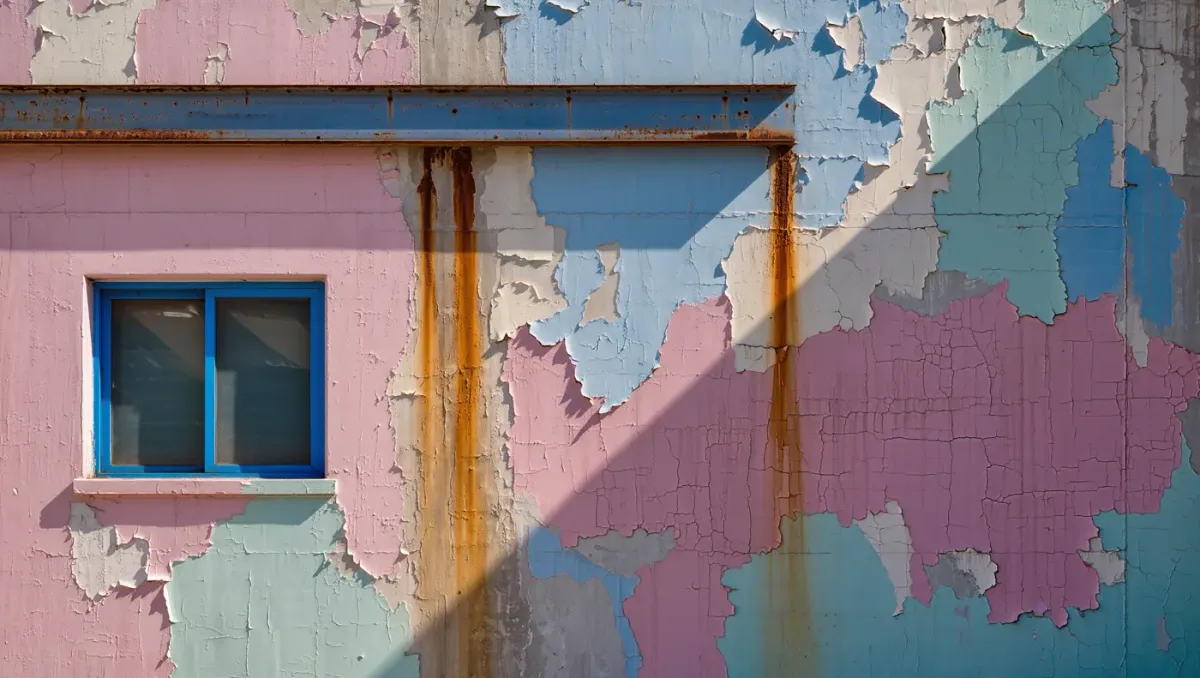
Structure it in two layers. First, the street: Wynwood's murals are a public gallery where graffiti and street-art traditions — historically strong in queer and marginalized voices — remain visible without a ticket. Second, the galleries: the district's commercial spaces rotate monthly exhibitions, with openings on second Saturdays per the district's long-running art walk tradition, and visiting galleries during openings is when the community dimension is most alive — artists present, audiences mixed, conversation available. Check current gallery listings rather than relying on outdated guides; the district's spaces turn over quickly.
What does queer art look like in Miami specifically?
Shaped by the city's demographics: Latinx and Caribbean queer aesthetics run strong, bilingual text appears in work across media, and themes of migration, faith, and family — the region's recurring subjects — carry queer angles that mainland audiences read as fresh and locals read as autobiography. Miami has also produced and hosted significant LGBTQ+ artists across media, and the fair weeks each December bring international queer programming to town. The regional signature is less a style than a position: work made from inside a diaspora city, where belonging is the subject before sexuality even enters.
How does collecting work for first-timers?
More accessible than the myth suggests. Commercial galleries sell work at every price level, works on paper and editions start far below the headline sales, and gallery staff expect questions from browsers — that is what the storefront format is for. Miami's galleries have cultivated younger collectors in recent years, per the district's own promotion, and queer patrons collecting queer artists is one of the few direct economic levers the community holds over the art world. Buying prints from a Wynwood showing is, functionally, patronage with a wall to live on.
Why does queer presence in the district matter beyond the art?
Because Wynwood's own story is a redevelopment story, and LGBTQ+ artists were part of the early wave that made the district viable before it was valuable — the same pattern South Beach's hotels taught Miami a generation earlier. Queer visibility in the district's galleries and walls is a claim on that history, and a reminder that cultural districts have founding communities whose contributions outlast the rents that eventually price them out.