South Beach's queer era is one of American urbanism's documented transformations: in the 1980s a neglected retirement strip of aging art deco hotels, by the 1990s the most famous gay resort neighborhood in the United States. The arc — revival, celebrity, mainstreaming, dispersal — took roughly three decades, and it left marks on everything from Miami's international image to its hotel prices. Understanding how a community built a neighborhood, and what happened when the neighborhood outgrew it, is essential Miami history.
What was South Beach before the revival?
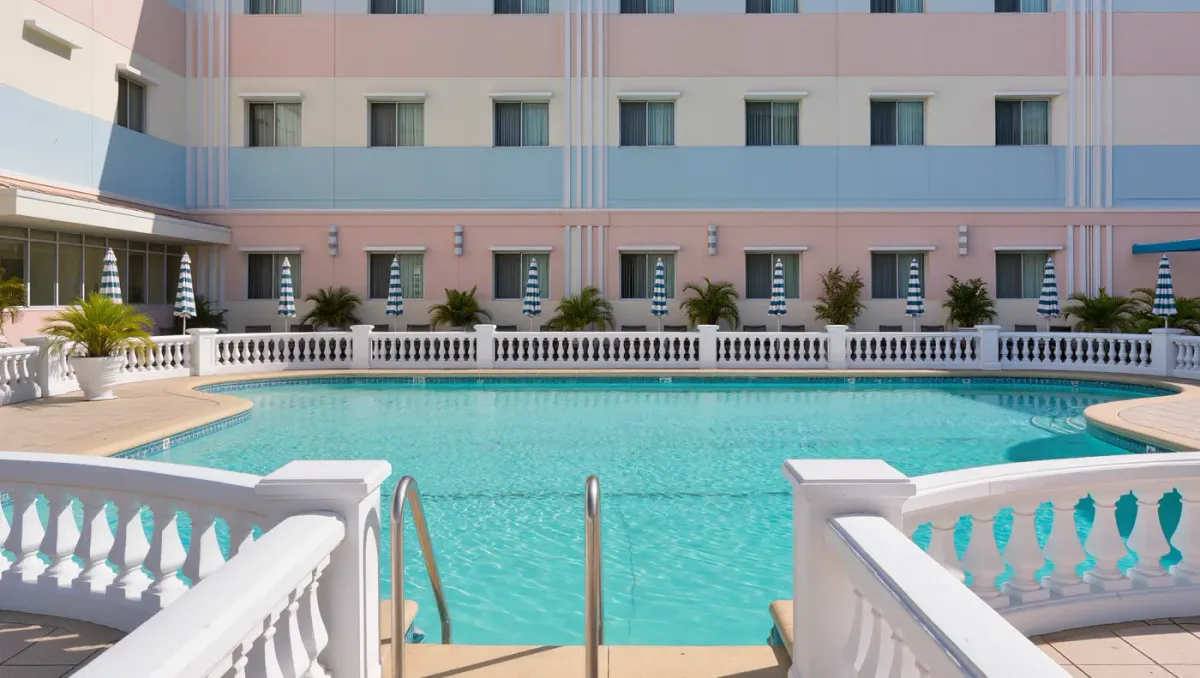
A decaying resort strip. After the 1960s, the art deco district's hotels aged into cheap lodging for retirees on fixed incomes, crime and disinvestment followed, and the barrier island's historic fabric faced demolition pressure. Per documented neighborhood histories, by the late 1970s South Beach was a place Miami developers saw as land value rather than buildings — the preservation movement that saved the art deco district emerged precisely because the alternative was the bulldozer.
What did the queer revival actually do?
The documented sequence: cheap rents attracted a wave of gay residents and businesses in the 1980s; the newcomers restored hotels and storefronts the market had abandoned; nightlife and fashion followed, and by the early 1990s the neighborhood was internationally famous — with the queer community as its visible engine. Photography and television amplified the image, and the 1990s brought the celebrity economy: modeling, nightclubs, and a version of Miami Beach broadcast worldwide. The queer community did not merely populate the revival; per neighborhood histories, it led the businesses, venues, and aesthetics that defined it.
When did the mainstream arrive, and what changed?
Through the 1990s and 2000s, success repriced the neighborhood. Luxury tourism, global hotel brands, and rising rents reoriented South Beach from community neighborhood to resort product — a shift documented in the district's own economics. The queer institutions that led the revival faced the classic successor problem: the neighborhood they made valuable could no longer afford them. Venues closed or moved; residents relocated north; and by the 2010s the center of gravity had shifted decisively to Wilton Manors in Broward, with South Beach retaining pockets of scene but no longer the community's residential core.
Was the dispersal a loss or a success?
Both, honestly. The loss is real: a geographic community — walkable, dense, self-sufficient — is infrastructure that takes decades to build and does not transfer north in one piece. The success is equally real: the community's revival work created billions in value, changed how the world saw Miami and, arguably, how gay America saw itself. The Wilton Manors district that inherited the scene is in some ways the revival's second act — a version built to last, on mainland economics rather than barrier-island speculation.
What remains of the queer resort town?
More than the cliché suggests. The beach strand, the Palace's sidewalk stage, pride's April takeover, and a residual hospitality layer of queer-owned and queer-welcoming businesses remain, and Miami Beach's civic identity still trades on the era the community built — the city's institutional support for pride is, in part, a return on that founding investment. South Beach's queer history is not gone; it is the neighborhood's foundation, visible to anyone who knows where the story starts.