Your first Pride parade can feel like a lot. Music fills the street. Floats roll by. Thousands of people cheer at once. The good news is that a little planning goes a long way. With the right bag, the right shoes, and a simple plan, you can relax and enjoy the day.
So what are you joining? A pride parade is an event where LGBTQ people and their allies celebrate social and self-acceptance, achievements, legal rights, and pride. Most occur annually, and some take place every June to commemorate the 1969 Stonewall riots in New York City (Wikipedia).
What a Pride Parade Actually Looks Like
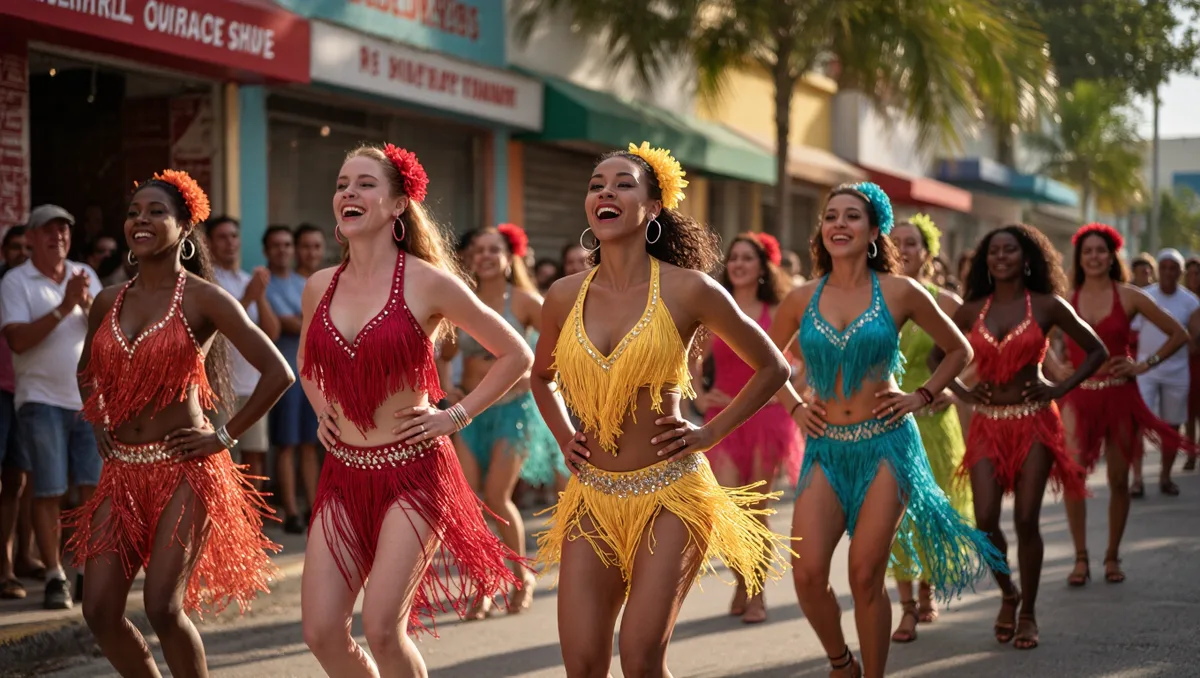
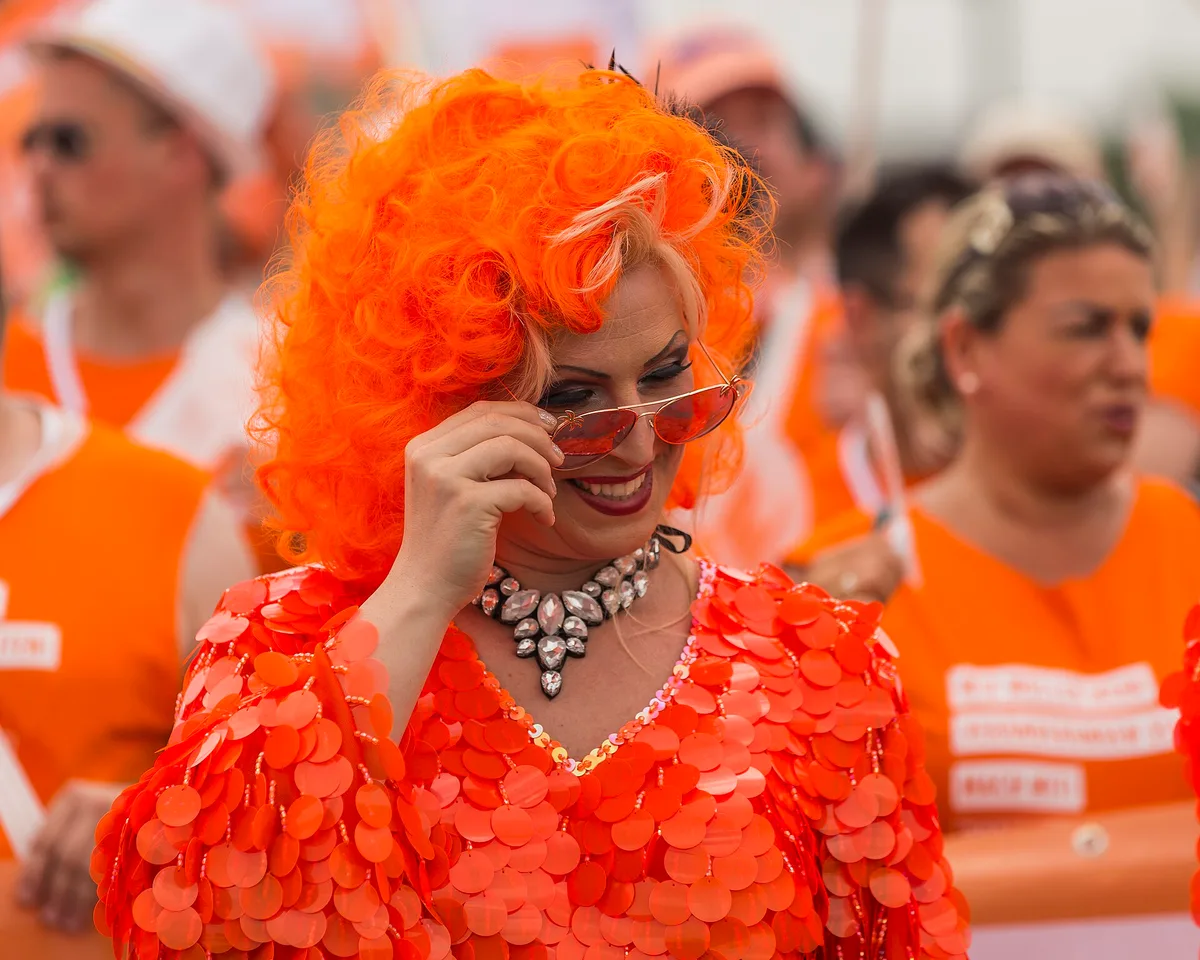
In welcoming cities, parades take on a festive, Mardi Gras-like feel built on celebration. Large parades often involve floats, dancers, drag queens and amplified music. Even such celebratory parades usually include political and educational contingents, such as local politicians and marching groups from LGBT institutions. Expect a mix of locals, visitors, and families on both sides of the barriers.
Many parades also anchor a wider festival. Some festivals provide a carnival-like atmosphere in a nearby park or city-provided closed-off street, "with information booths, music concerts, barbecues, beer stands, contests, sports, and games." Plan for the whole day, not just the march itself. For related coverage, see Why Miami Celebrates Pride Twelve Months a Year, Not Just June.
What to Bring
Pack light but pack smart. Water comes first. Miami has a tropical monsoon climate with hot and wet summers, and summer temperatures range from the mid-80s to low 90s with high humidity (Wikipedia). Bring more water than you think you need, and keep sipping all day.
Sun protection matters too. Carry sunscreen, a hat, and sunglasses. The heat is often relieved in the afternoon by thunderstorms, so a small poncho is a smart add. Wear broken-in shoes, since you will stand and walk for hours. Toss in a phone battery pack, a small snack, and a little cash. Skip anything you would hate to lose.
How to Stay Safe in the Crowd
Big crowds are usually friendly, but they demand attention. Pick a meeting spot with your group before you arrive. Phone service can slow down when thousands of people share the same towers. If you get split up, walk to your meeting spot and wait there.
Keep your bag in front of you and your phone in a zipped pocket. Learn where the exits and side streets are when you arrive. If a spot feels too packed, move toward the edge of the crowd. The dividing line between onlookers and marchers is often blurry at friendly events, so give marchers and floats a clear path and stay alert at street crossings.
Heat is the other risk to watch. Take breaks in the shade, refill your water bottle, and check on your friends. If someone feels dizzy or unwell, find event staff or medics along the route. Large events are used to this, and helping is routine.
Make a Simple Plan for the Day
Decide before you go how long you want to stay. A first Pride does not have to run from dawn to dark. Watch a stretch of the parade, visit the festival area, and leave while you still have energy. Set a budget for food and drinks too, since festival stands add up fast.
One more tip: go with people you trust, or tell someone outside the event where you will be. Pride is a celebration of community, and looking out for each other is a big part of that spirit. We covered a connected angle in Bi Visibility Day: The Largest Part of the Community, Still Overlooked.
Conclusion: Enjoy the Day, Not Just the Show
Your first Pride parade does not need to be perfect. It needs to be safe, hydrated, and shared with good people. Bring water, sun gear, and comfy shoes. Make a meeting plan. Watch the crowd and take breaks. Then let the floats, the music, and the joy do the rest. Welcome to Pride.