South Florida's queer artists work inside one of the country's more developed public-arts funding environments: Miami-Dade and Broward both operate county cultural-affairs councils that distribute grants to artists and organizations, per the councils' published programs, and a layer of foundations and community funders supplements the public money. For artists whose work carries queer content, the system's openness matters as much as its size — public funding here is awarded on artistic merit, not subject matter, and LGBTQ+ artists and organizations have been regular recipients across recent cycles.
What does the public system offer?
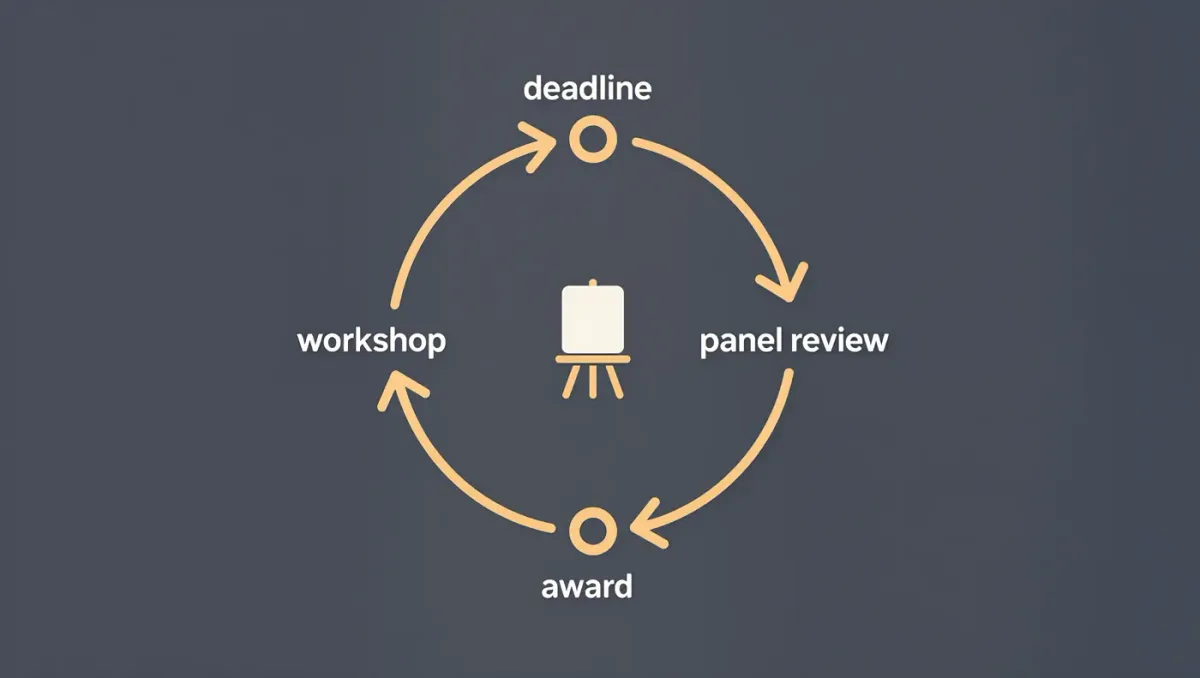
Per the county councils' published structures: project and program grants for organizations, individual-artist fellowships and grants in defined cycles, and public-art commissions with their own application tracks. Miami-Dade's cultural affairs council is among the largest local arts agencies in the United States by budget, per its published materials, and Broward's counterpart runs parallel programs. Eligibility generally requires county residency and a review process — panels of artists and professionals scoring applications against published criteria. Deadlines run on annual cycles published in advance; the practical entry point is each council's grant calendar.
How do applications actually succeed?
On the published criteria, which reward clarity more than credentials. Per panelists' recurring guidance across arts-funding programs: applications fail on vague project descriptions and unrealistic budgets far more often than on artistic quality; successful ones state what will happen, when, with whom, and for how much. First-time applicants are advised to attend the councils' application workshops — offered each cycle per published schedules — and to start with smaller project grants before fellowship tracks. Rejection cycles are normal; reapplication with a sharpened proposal is the standard path.
What role do private and community funders play?
The complementary one. National foundations fund LGBTQ+-specific artistic work through defined programs; local community foundations run arts and culture funds; and the region's gallery and club economies function as an informal funding layer — patrons, commissions, and paid performance that operates outside grant structures entirely. Per the sector's own descriptions, the informal layer often sustains work the grant cycles cannot: experimental, nightlife-adjacent, and community-embedded practices that fit no panel category. The layers work best in combination — public money for scale, private for freedom.
Why does public arts funding matter to the community?
As recognition with a budget line. When a county council funds an LGBTQ+ artist's fellowship or a queer theater's season, the subject matter passes through public review on equal terms — a civic signal with real dollars attached, in a state where the community's cultural legitimacy is contested in other arenas. Per the funding record across recent cycles, the region's panels have treated queer work as art, full stop. In the current political period, that unremarkable equality is itself worth noticing — and worth using, since grant systems deliver only to those who apply.
Where does an artist start this week?
With the county councils' published calendars: confirm residency eligibility, note the next individual-artist and project deadlines, register for the next application workshop, and draft a one-page project description — what, when, who, how much — that a stranger could understand. Per panel guidance, that page is the application's whole game. The money exists; the calendars are public; the system's only real gate is the application nobody wrote.