South Florida's LGBTQ+ community is served by a health infrastructure most residents never think about until they need it: community health centers with decades of history in LGBTQ+ care, specialized providers for HIV treatment and prevention, and safety-net clinics serving the uninsured across two counties. This network exists because the mainstream system long failed the community — documented discrimination kept patients from care — and its present shape, per the providers' published programs, reflects both that history and the region's standing public-health realities.
Which institutions make up the network?
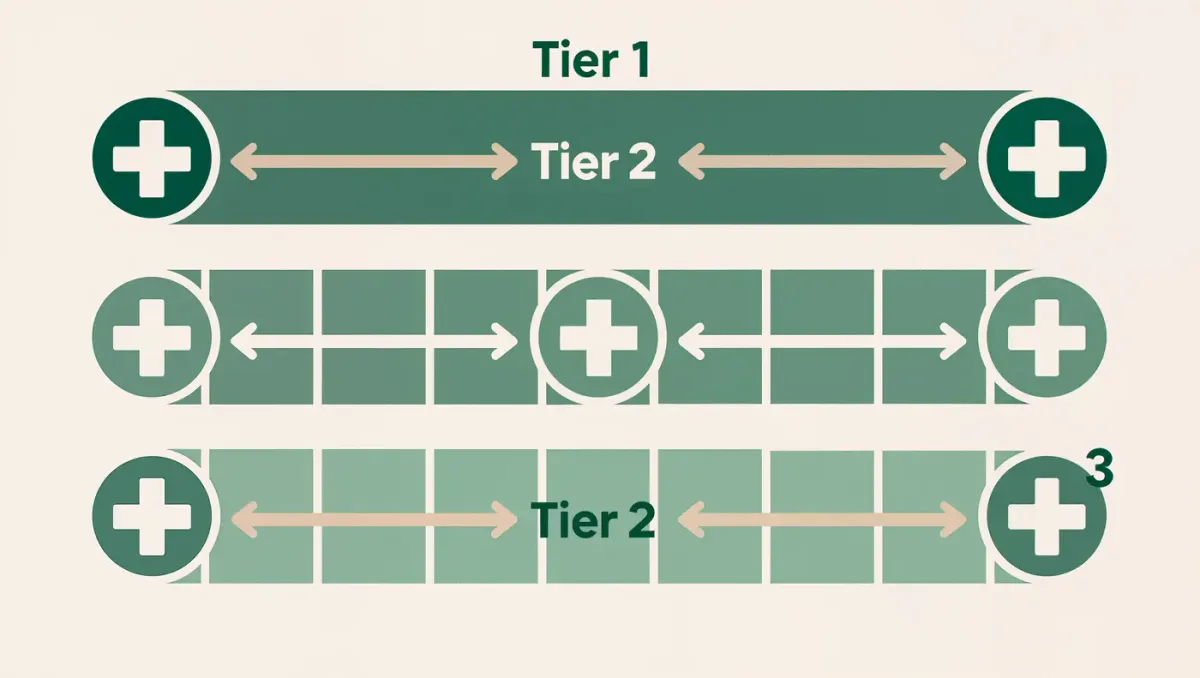
Three tiers. Federally qualified community health centers — some with LGBTQ+-focused missions dating to the epidemic decades — provide primary care regardless of insurance status. Specialized providers operate HIV treatment and prevention programs, recognizing that South Florida's diagnosis rates have ranked among the highest of large U.S. metros for years per CDC surveillance. And hospital systems' targeted programs — some with dedicated LGBTQ+ health initiatives — provide specialty and inpatient care. The tiers refer into each other, per providers' published referral structures, forming a parallel system with open doors.
Why does a parallel system exist?
Because trust was broken and had to be rebuilt institutionally. Documented healthcare discrimination against LGBTQ+ patients — from refusal of care through ignorance of community-specific needs — produced avoidance behavior that worsened outcomes; the community's response, beginning in the crisis decades, was to build its own providers. Per the sector's documented history, the model proved its value and persisted: culturally competent care is not a marketing phrase here but the operating condition for patients who stopped avoiding the system only when the system changed shape.
How is the network funded?
Through the standard safety-net stack: federal community-health-center funding, state and county health department programs, Ryan White HIV program dollars for treatment access, research institutional support, and philanthropy — per the funding structures the programs publish. The stack's political exposure is real: each layer depends on appropriations decisions, and providers in the region have operated through repeated funding uncertainties in recent years. That exposure is itself part of the community's civic file — health infrastructure here is a budget line before it is a building.
What does the network actually deliver?
Per published program data across recent years: primary care, HIV testing and treatment, prevention programs including PrEP access, behavioral health, transgender health services, and pharmacy and case-management support — with sliding-scale structures that keep care accessible to the uninsured. The regional footprint is large: the safety-net tier serves hundreds of thousands of patients across Miami-Dade and Broward annually, per public health reporting, of whom the LGBTQ+ community is a defining constituency rather than the whole.
How should a newcomer navigate it?
Start with a community health center intake — no referral required, sliding scale applied at registration, per providers' published processes — and let the center's own referral network route specialty needs. The practical advice the providers repeat: bring whatever records exist, ask about sliding-scale at the first call, and do not let insurance uncertainty become the reason care waits. The network was built, deliberately, for the person who has been failed before. Its doors are the community's oldest institutional promise, kept daily.