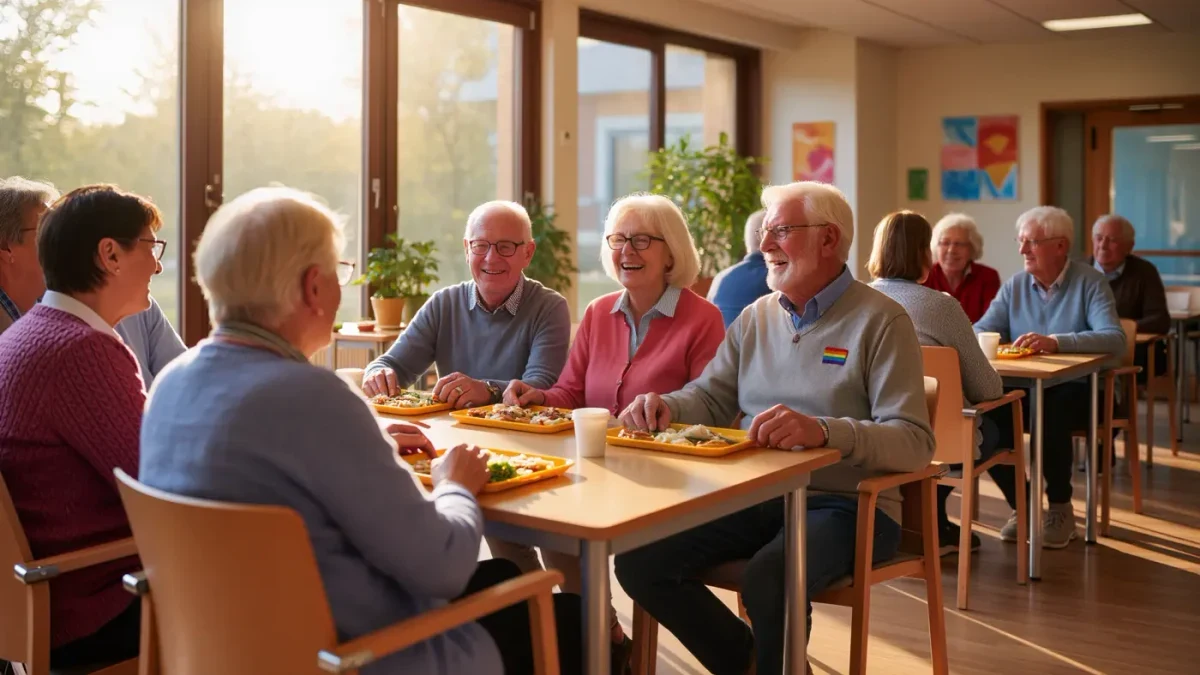
The region's community centers are the quiet layer of its LGBTQ+ infrastructure: buildings and programs where the community's services actually happen, away from festivals and nightlife. Between Miami-Dade and Broward, a network of centers and specialized providers offers meeting space, counseling, health-service referrals, youth programming, and senior care — most of it free or sliding-scale, per the organizations' published programs. For newcomers, the practical question is which door answers which need; this map explains the network's shape.
What does a community center actually do?
More than its building suggests. Per the centers' published services across recent years, the core functions are convening and referral: hosting recovery groups, youth collectives, trans support circles, and senior programming; and connecting visitors to health services, legal aid, and benefits assistance. Centers also serve as first-contact institutions — the place someone questioning, newly arrived, or newly out encounters first — which makes staff training and referral networks as important as square footage. The regional centers have historically operated on lean budgets, with program grants and community giving funding the work.
How do Miami-Dade and Broward differ?
In density and history. Miami-Dade's community institutions served a scattered county population — the community here distributes across a metropolis rather than concentrating, so centers carry a wide referral geography. Broward's scene, anchored by Wilton Manors' walkable district, put services inside the community's commercial center — with organizations like SunServe providing senior and social services and the Stonewall National Museum & Archives operating its archive and education work there, per their published materials. The practical difference for users: Miami-Dade asks where you are; Broward lets you walk the strip and find everything.
What services exist for specific populations?
Per providers' published programs in recent years: youth services — group programming, counseling, and family-support work — run through centers and specialized organizations; senior services operate as described in the region's aging-services layer, with care management and social programming; trans-specific services, including name and document change assistance, run through legal-aid partnerships; and recovery programming — twelve-step and alternatives — meets in center rooms across the region weekly. Health-service organizations provide testing, prevention, and care in separate facilities, with centers functioning as referral points.
How does someone use a center for the first time?
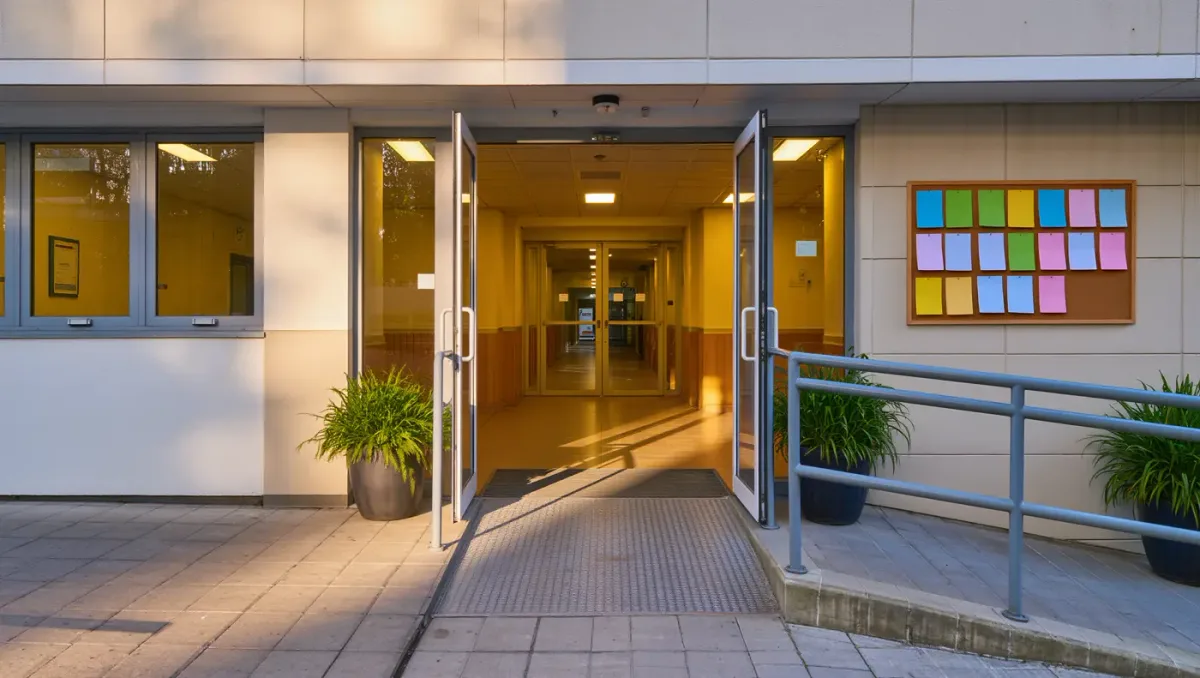
Simply: walk in or call. Centers operate public hours, published calendars, and intake processes designed for exactly the first-timer's question — what happens here, and can it help me. Per center practice, no referral is needed for general services; specialized programs may have intake waitlists. The one universal piece of advice the centers' own materials repeat: come as you are — the intake conversation exists to route you, not to assess you, and confidentiality is the operating rule.
Why does the center layer need support?
Because it is the infrastructure that absorbs demand when everything else fails. Policy changes, economic stress, and personal crisis all land, eventually, at a center's intake desk — and the centers' capacity is the community's actual safety net. Per the funding structures described across the sector, center budgets run lean and donation-dependent; the practical support is the same as the sector's always is: recurring, unrestricted, local. The centers were the community's first institutions and remain its most universal ones — the doors that are open, every week, whatever else changes.