Summer is the youth-services season. With school out, the community organizations that serve LGBTQ+ young people across Miami-Dade and Broward run their most active programming weeks of the year — per the providers' published calendars across recent years, July and August carry group sessions, summer cohorts, back-to-school drives, and counseling capacity that the school year squeezes. The season's work is mostly invisible from the community's festival calendar, and it is where the infrastructure meets its most consequential population.
Why does summer concentrate youth risk?
Because it removes structure. Per youth-development research summarized by national organizations, school provides daily supervision, adult contact, and peer structure — and its absence concentrates risk for young people without safe home environments, a category where LGBTQ+ youth are overrepresented per national survey data across recent years. Summer also isolates: the friend network scatters, the school's one accepting adult may be unreachable, and hours at home multiply for young people whose homes are the stressor. Community programming exists to replace some of that structure deliberately.
What does the programming actually look like?
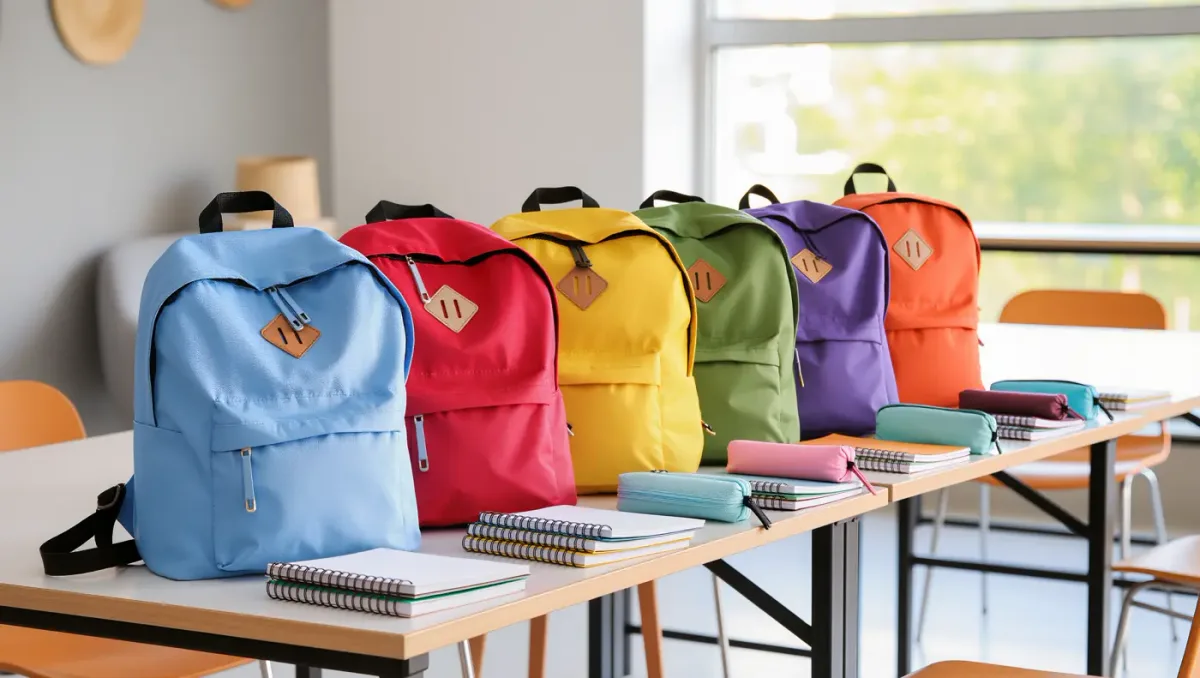
Per providers' published offerings in recent years: weekly group sessions that continue through summer with added social activities; summer cohorts and leadership programs with themed curricula; counseling capacity maintained on adjusted schedules; practical supports — back-to-school supply drives timed to August, per recurring community announcements — and social events that give the season's isolation an antidote. Drop-in structures let participation flex around jobs and family obligations, and per providers' materials, most programming is free, funded through the grant-and-giving structures that support the sector.
How do the programs handle confidentiality?
As the operating condition, not the slogan. Per standard practice in youth-serving community organizations, participation details are protected — providers emphasize confidentiality policies precisely because some participants attend without family knowledge, and outings carry documented harms. National resources, including crisis services, operate alongside with their own confidentiality structures. The practical effect parents sometimes encounter: programming that welcomes family involvement on the family-support side while protecting individual participants' information on the youth side — a dual structure refined over decades of practice.
What does the research say works?
Connection and consistency, per the compiled evidence base: youth organizations' national research in recent years has consistently linked affirming environments — one accepting adult, one consistent peer space — to measurably better outcomes across mental-health measures. That finding shapes the programming design: the groups exist less to deliver curriculum than to guarantee the accepting room and the recurring hour. Summer's job is keeping that continuity unbroken while school's version is closed — which is why the season matters operationally even when its activities look like ordinary fun.
How can the community help in July specifically?
Per providers' recurring needs lists: fund and supply the back-to-school drives that peak in early August; volunteer for the programming that scales with school's absence where screening processes allow; and sustain the recurring donations that carry counseling capacity through the lean months. The season's work decides how young people return to school in August — resourced, connected, and known to at least one adult who is glad they came. That is July's quiet work, and it runs on the community's attention.