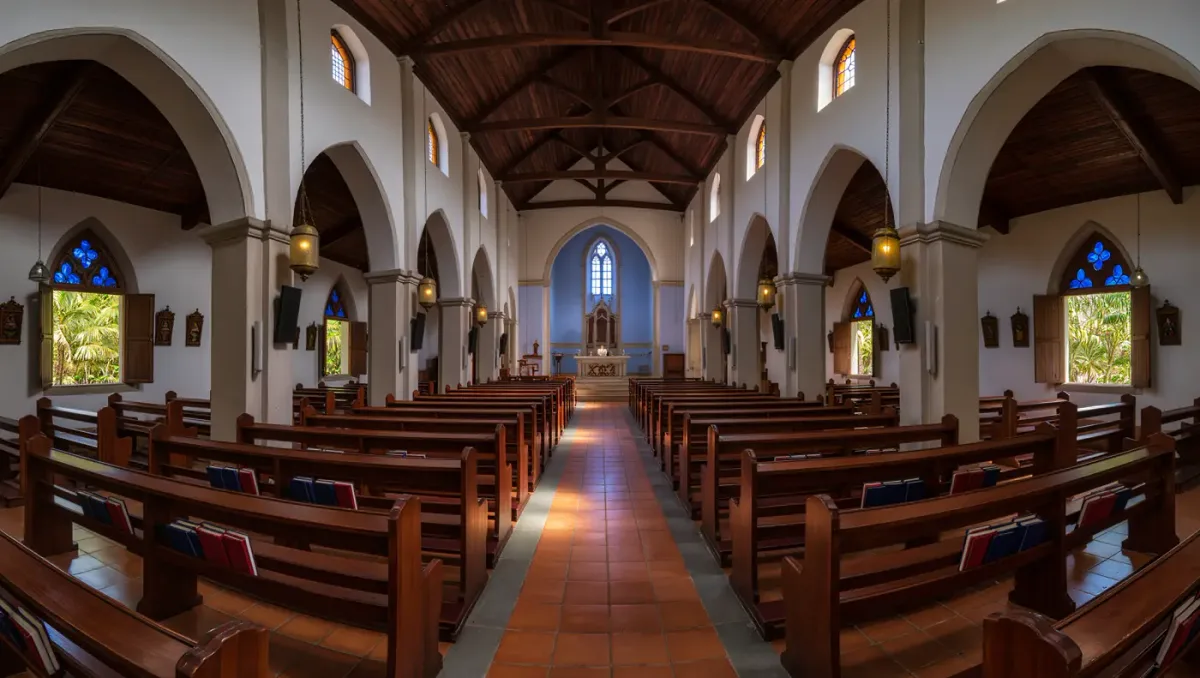
Some of South Florida's most effective community partnerships happen in rooms the community's own organizations do not own. Across the region, LGBTQ+ service groups and welcoming congregations have built working alliances — churches hosting support groups and food distributions, faith communities funding youth programs, organizations referring families to accepting congregations — per the participating institutions' published materials across recent years. These alliances rarely make news; they carry, nonetheless, a disproportionate share of the community's family-acceptance work.
What do these partnerships look like operationally?
Practically: space, money, and referrals. Congregations with halls and classrooms provide meeting space that community organizations cannot afford on the commercial market — recovery groups, youth collectives, and family programs run weekly in church rooms across the region. Faith communities fund programs through their own charitable structures. And the referral traffic runs both ways: organizations working with rejecting families point parents toward accepting congregations in their own tradition, while congregations refer members in crisis to professional services, per providers' published referral practices.
Why do faith partnerships matter so much for families?
Because families reject through faith frameworks and accept through them too. Research on family acceptance has documented that outcomes for LGBTQ+ young people improve when families find supportive environments within their own traditions rather than outside them, per published studies in recent years. In South Florida's religiously intense, immigrant-heavy communities, a congregation that publicly welcomes is often the difference between a family's estrangement and its negotiation — which makes the region's welcoming congregations part of the youth-services infrastructure, whether or not they think of themselves that way.
Where are the limits of these alliances?
In theology that has not moved. Partnerships exist where congregations have settled their position; where they have not, community organizations work around rather than through — and the region's religious landscape includes institutions whose positions remain actively harmful, per the community's own advocacy records. The alliance map is therefore selective by design: organizations partner with welcoming institutions and route around the rest. Honest description matters here — the story is not reconciliation with the religious mainstream but coexistence with the portions of it that moved.
How do partnerships survive controversy?
By keeping the work concrete. Per institutional practice, the alliances that endure focus on deliverables — a room booked, a meal served, a family counseled — rather than theological statements, letting the shared work define the relationship. Congregations that take public welcome positions accept the criticism that follows, per their own acknowledgments; organizations that partner accept the community scrutiny that faith cooperation draws in some quarters. Both populations of critics exist; the work continues anyway, which is the alliance's quiet definition of success.
What should a community group or congregation do first?
Start smaller than a partnership: one room, one program, one quarter. Per the sector's own guidance on faith-community collaboration, the working model is a concrete commitment — hosting a single weekly group, funding one program line, offering one staff contact — reviewed honestly after its first cycle. The region's successful alliances almost all began that way: not with a joint statement, but with a door unlocked on a Tuesday night and someone from the other world sitting in the back row, learning the work.