Miami's rainy season runs through the warm months, and it changes how outdoor plans work here. The pattern is familiar to anyone who has lived through a summer in South Florida: mornings often start bright, clouds build by early afternoon, and a heavy storm rolls through before the sky clears again. If you are heading to a Pride festival, a beach day or an outdoor fundraiser, the smart move is not to avoid the season. It is to plan around it.
The good news is that most rain here is inconvenient rather than dangerous. Storms pass. Organizers expect them. Venues have indoor options. What actually ruins a day is showing up unprepared: no rain layer, no backup plan, no idea where the nearest covered spot is. This guide walks through what the season does to outdoor events, how to build a plan that survives a downpour, and what to check before you leave the house.
It helps to start with what the season actually is. The word itself is plain enough — a rainy season, as the Cambridge Dictionary puts it in its entry examples, is simply a period when rain dominates the weather, and in some parts of the world that rain is heavy enough to flood roads and slow traffic to a crawl. Miami sits in a climate where that pattern repeats every year, which is why locals treat afternoon storms the way northern cities treat snow: expected, seasonal, and manageable with a routine.
What does Miami's rainy season actually look like?
The classic pattern is a morning that starts clear, clouds that stack up through midday, and a strong storm in the afternoon or early evening. Then it often clears, sometimes dramatically, leaving the air washed and the evening pleasant. That rhythm matters for planning. An outdoor event at eleven in the morning faces different odds than one at four in the afternoon.
Two things make the season more than a nuisance. The first is intensity: storms here can dump a lot of water in a short time, and streets with poor drainage pond quickly. The second is the broader hurricane season that overlaps with the rainy months, which occasionally brings multi-day disruptions rather than a two-hour soaking. Most days are the first kind. A few days are the second kind, and your plan should know the difference.
For event-goers, the practical takeaway is simple. Expect at least one storm interruption on a typical rainy-season day out, and treat it as a scheduling fact rather than a disaster. Locals duck into a bar, a shop or a café and wait it out. In a neighborhood with dense nightlife, that wait is rarely a bad one.
How do you plan an outdoor event day around the rain?
Start with timing. Morning slots are your friend. A beach morning, an early festival arrival or a brunch on a patio beats a mid-afternoon commitment, because the storm window tends to open later in the day. If the event you care about runs all day, decide in advance which part matters most and protect that part.
Second, build an indoor anchor into the day. Pick a covered place — a museum, a restaurant, a club, a hotel lobby — within a short walk of your main event, and treat it as your rain shelter. This one decision converts a soaked, miserable delay into a break. Our Miami Beach LGBTQ Guide: Beaches, Stays and Nightlife covers neighborhoods where indoor options sit close together, which is exactly what you want in this season. We covered a connected angle in The Miami Beach LGBTQ Guide: Beaches, Stays and Nightlife.
Third, check the forecast twice: once the night before and once in the morning. Radar apps have made this easy, and a two-hour storm window is often visible in advance. If the radar shows a wall of weather arriving at the exact hour of a parade or pool party, adjust early rather than standing in it and hoping.
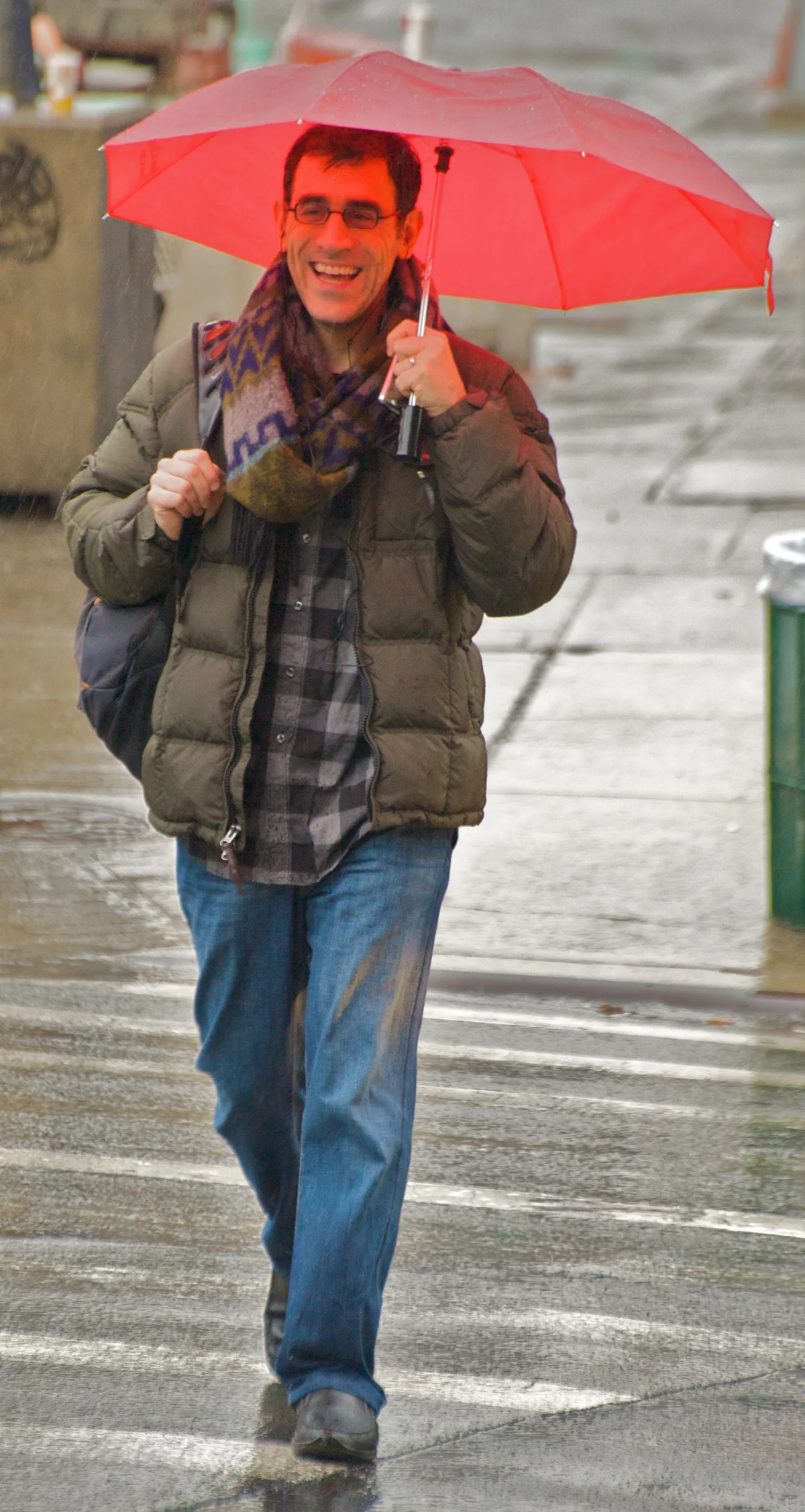
Fourth, dress and pack for it. Light rain gear beats a heavy umbrella in a crowd. Shoes that can get wet matter more than outfits that photograph well. A dry layer sealed in a bag earns its space. None of this is glamorous. All of it works.
What about Pride events specifically?
Pride organizers in South Florida know the calendar they schedule into, and most build weather contingencies into their events: covered stages, indoor after-parties, delay protocols. Your job is to know what the organizer has published and follow it. Check the event's official page for its rain policy before you go, and note whether tickets are refundable or the event moves indoors. Organizer announcements are the authority on their own events — when a schedule changes, they publish the change, not us and not a rumor.
It is also worth remembering that the community calendar here does not hibernate. When a storm washes out an outdoor event, the season's indoor life keeps running: gallery nights, fundraisers, league nights, film screenings. Our events listings and broader pride coverage track what is on through the whole year, not just the headline weekends. A rained-out Saturday often has a good indoor alternative within a few miles.
One more note on travel days. If your Pride weekend involves a flight or a long drive, the rainy season adds a real chance of delays, and the hurricane months add a smaller chance of a full disruption. Book refundable rates where you can, keep a buffer between a flight landing and a fixed commitment, and know your hotel's cancellation terms before you need them. For couples planning bigger milestones in this climate, our Planning a Wedding in Miami: An LGBTQ Couple's Guide digs into venue and season choices at more length.
What should you do if serious weather is actually coming?
Most rainy-season days need only an umbrella. A few need a plan. When a named storm is in the forecast, the question changes from "will I get wet" to "will my plans exist at all." Events get postponed or canceled, roads flood, and flights ground. In those windows, official guidance from local emergency management and the National Weather Service outranks any event schedule, and organizers follow it too.
What this means in practice: before a storm window, sign up for local emergency alerts, keep your phone charged, and know whether your accommodation is in an evacuation zone. If you are a visitor, ask your hotel what its storm procedures are — it is a normal question here, and front desks answer it all season. If you are a resident, you already know the drill; the visitor version is just a lighter copy of it.
Do not rely on social media rumors during a serious weather event, and do not rely on us either for live storm tracking. We cover community events; the weather service and county emergency management cover the storm. The two jobs do not overlap, and pretending otherwise gets people hurt.
Our analysis: the season is a scheduling problem, not a reason to stay home
Read the season as a set of odds, not a verdict. On a typical rainy-season day, the odds favor the person who goes early, shelters smart and stays flexible. The odds turn against the person who books a single unsheltered outdoor afternoon, in white sneakers, with a nonrefundable plan, and no backup. Nothing about Miami's weather is a secret; the city's whole event industry runs around it every year.
The deeper point is that the community here has never treated weather as a gate. Bars kept their lights on through decades of storms, organizers moved festivals indoors, and the calendar kept going. A little preparation puts you in that tradition rather than fighting it. Check the radar, pick your indoor anchor, go early, and let the sky do its thing on schedule.
What the evidence here establishes is the shape of the season: daily storms concentrated in the warmer months, occasional multi-day disruptions from tropical systems, and a local culture built to absorb both. What no guide can promise is any specific day's forecast. That check belongs to you, the night before and the morning of. Do it, and the rainy season becomes what it is for most locals — a rhythm, not a risk.