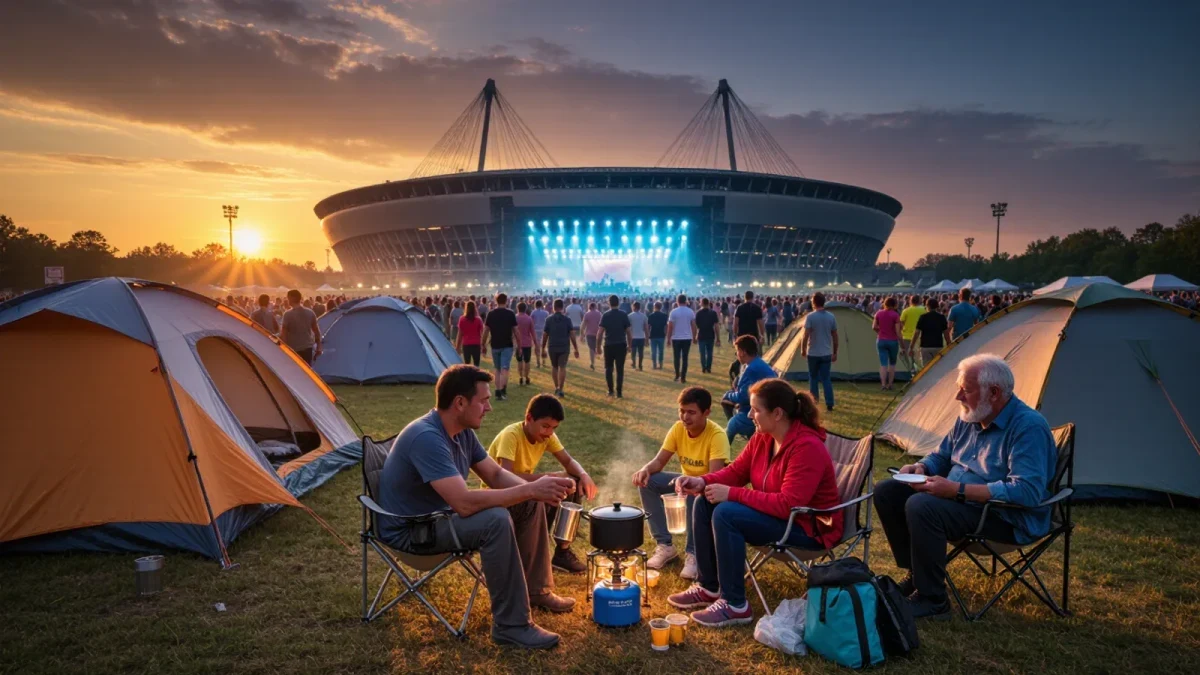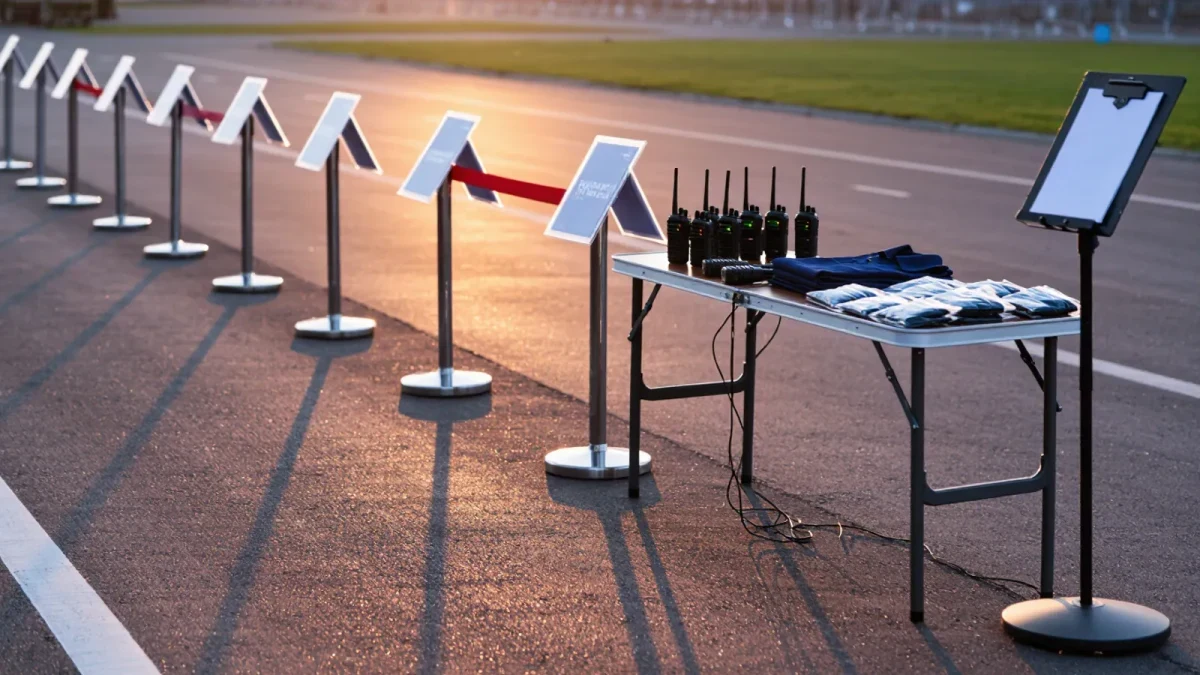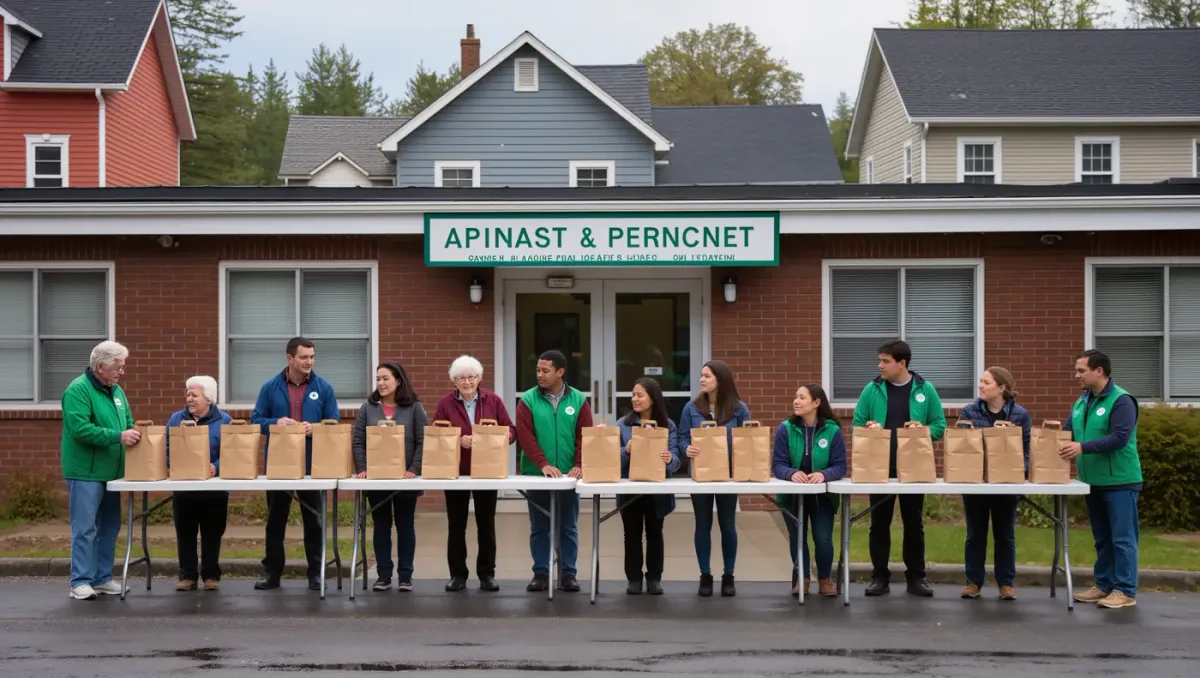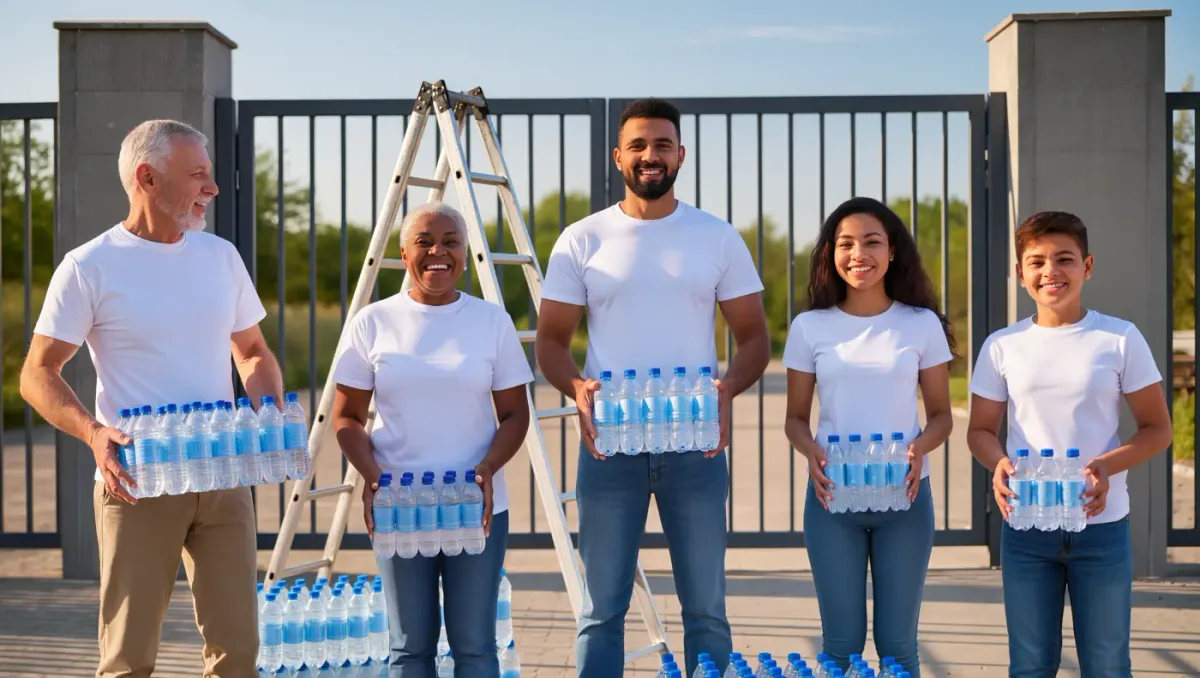
The region's pride festivals look like productions; at ground level they are volunteer operations. The gates, water stations, vendor support, stage crews' assistants, accessibility teams, and cleanup crews that make a festival weekend function are staffed overwhelmingly by unpaid volunteers — per the region's pride organizations' own acknowledgments across recent years, coordinated by small staffs and starting months before any stage arrives. The volunteer economy is the least visible part of pride season and, operationally, the most essential.
How does volunteer coordination actually work?
In the months before an event: per organizers' published volunteer programs, recruitment opens in late winter for spring festivals, shifts are scheduled in blocks, and team leads — themselves volunteers — manage zones during the event. The scale is substantial: large festivals in the region have relied on volunteer crews numbering in the hundreds for a single weekend, per organizers' materials. The coordination load is why pride organizations describe volunteer management as a year-round function: the same crew core returns festival to festival, carrying institutional memory that paid staffs — smaller and more mobile — depend on.
What do volunteers actually do?
The unglamorous work that makes the event legal and humane: ID checking and gate operations; water distribution — a genuine safety function in South Florida heat; vendor load-in support; accessibility-zone staffing; lost-person and lost-item handling; and the Sunday-night teardown that returns a park to the city. Per volunteer handbooks' standard structure, shifts run a few hours, roles come with brief training, and the practical reward structure is festival entry, merchandise, and the crew culture that veterans describe as the real product.
Why do people volunteer?
Per volunteers' own accounts across community surveys and profiles: belonging first, logistics second. Volunteering embeds a newcomer in a working crew with shared tasks — the fastest social integration the community offers — and gives established members a stake in the event they attend. There is also the plain civic fact: without volunteers, the region's festivals would not clear their costs, and the organizations behind them would shrink to what ticket revenue alone sustains. Volunteering is how the festivals stay community-scaled rather than purely commercial.
How has the volunteer base changed?
With the community's demographics. Per organizers' recurring observations in recent years, festival volunteering has aged with the community's established population while drawing new cohorts through corporate volunteer programs — companies now organize employee crews for pride events, adding manpower and, in the process, changing crew culture. The pandemic years stressed the pipeline like everything else; the recovery period's recruitment emphasis reflects it. What has not changed is the dependency: every organizer's post-event statement credits volunteers first, and the credit is arithmetically literal.
How does someone join a crew?
Through the organizers' own channels: pride organizations publish volunteer sign-ups before each festival, with orientation sessions before event weekends, per their published programs. The practical guidance from crew veterans: pick a zone you would enjoy — gates see everyone, accessibility crews do the most consequential work — take the training seriously, and expect the crew invitation to next year to arrive before this year's cleanup ends. That is how the volunteer economy renews itself: one season's crew becomes the next season's leads.