The spring announcement lands the same way every year: a pride organization publishes its festival dates, a theme, a poster, and — in the weeks after — a stack of logistics, from ticketing to road closures. Residents plan around it, visitors book around it, and the region's hospitality economy prices around it. What looks like a press release is actually the visible surface of a production cycle that began nearly a year earlier. Here is what an announcement contains, and what it represents.
When does planning actually start?
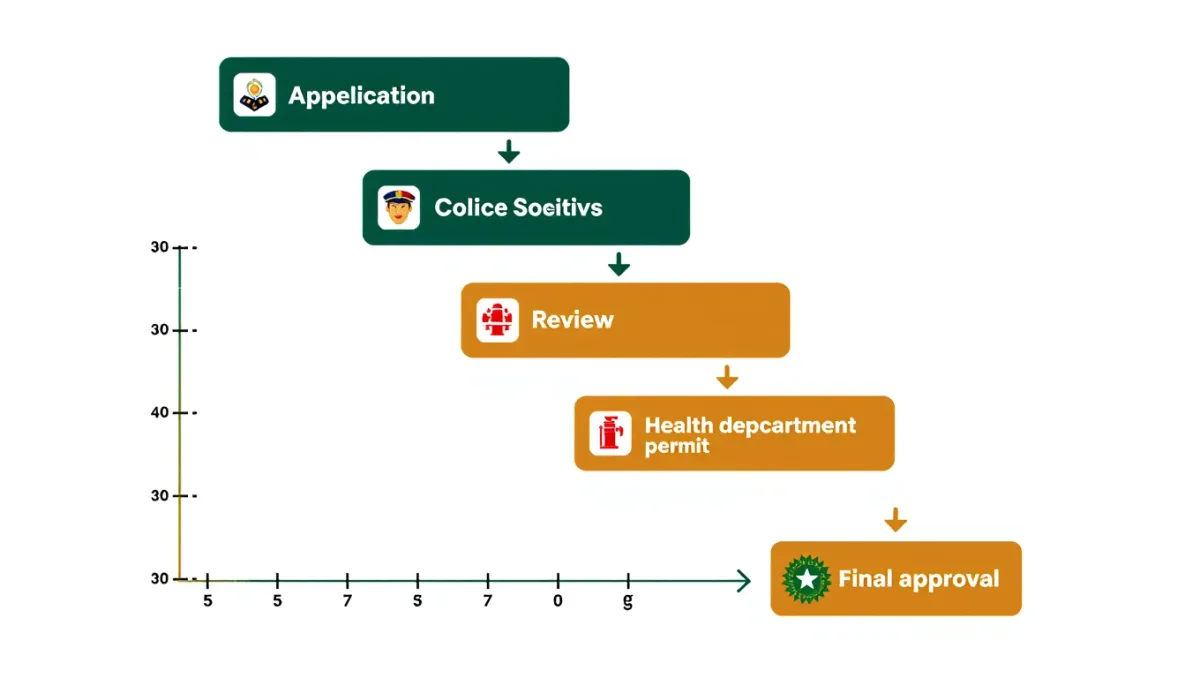
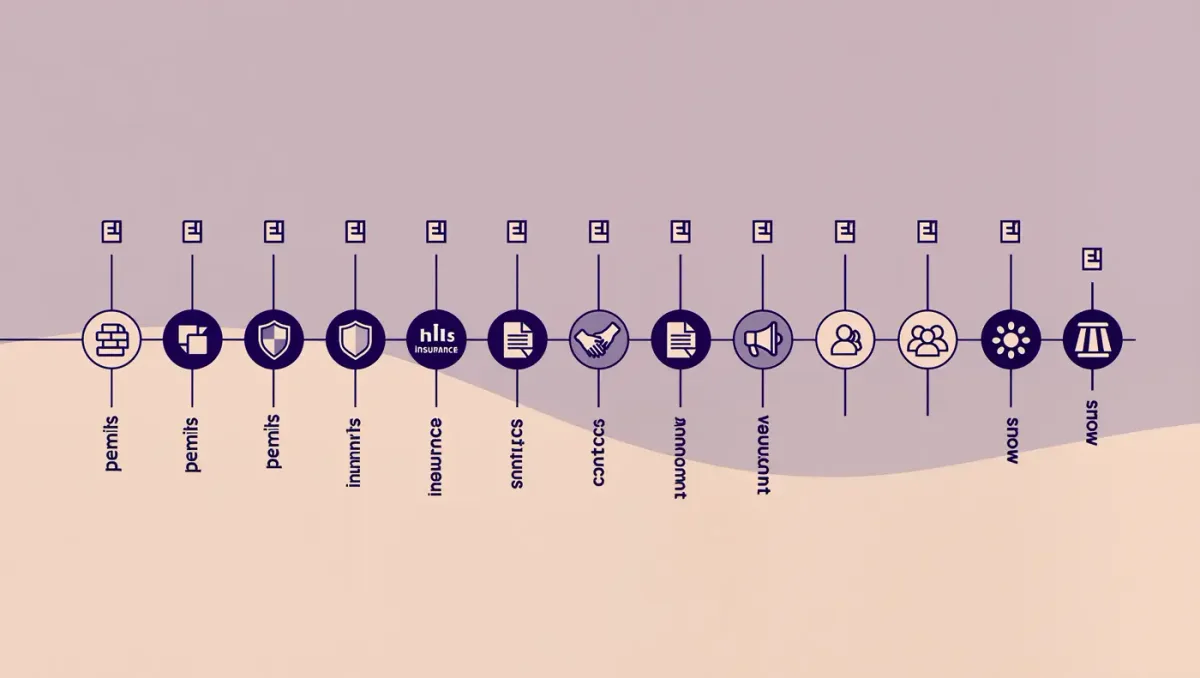
Roughly a year out, per the production cycles organizers describe across recent years. Large festivals require city special-event permits filed months ahead, insurance and security contracts, stage and infrastructure vendors booked into a regional calendar where spring weekends are contested by every event producer in South Florida, and headline entertainment contracted far in advance. By the time dates go public, the skeleton of the festival — permits, insurance, venue footprint, major vendors — is largely fixed. The announcement is a milestone, not a beginning.
What does the announcement legally commit the organization to?
Enough that the language is careful. Published dates, ticketing terms, and accessibility commitments create the obligations that later logistics must honor — which is why every announcement carries the same qualifiers: lineup and details subject to change, weather contingencies, refund windows. Per published festival policies across recent years, organizations build change-notice channels into their terms because the commitment made in spring gets executed in an environment — hurricane season forecasts, vendor availability, city scheduling — that no one controls in January.
Who is the announcement actually for?
Multiple publics at once. Attendees get dates to plan around; the hospitality market — hotels, restaurants, rideshare — gets the signal that sets seasonal pricing; sponsors get the activation window their contracts reference; and the city gets the coordination document around which public-safety planning proceeds. Per the region's event economics in recent years, a major pride weekend is one of Miami Beach's significant annual demand events, which means the announcement's audience is regional infrastructure as much as community membership.
What does it cost to mount one of these festivals?
Six figures at minimum for a large production, per the general economics of special events: security and medical staffing, infrastructure rental, insurance, entertainment, permits, and the staff year that production requires. Revenue balances from tickets, sponsorships, vendor fees, and municipal support. The arithmetic explains the format of the modern festival: sponsorship banners and ticketed zones are not aesthetic choices but the financing structure that makes a free-parade model possible — and the announcement is where that structure first shows itself in print.
Why should the community read announcements closely?
Because the details are the democracy. Accessibility commitments, admission structures, community-organization booth policies, and protest provisions are all decided in the announcement-to-execution window, and public attention during that window has demonstrably shaped them in recent years — per organizers' own revisions following community feedback. The spring announcement is not just marketing; it is the one moment the festival's operating assumptions are visible before they harden. Read it like what it is: the business plan, published once a year, for the community's biggest party.