Every June, the region's city commissions take turns doing the same thing: reading proclamations declaring Pride Month, posing with community members for the chamber photo, and moving to the next agenda item. The ritual can look empty — paper and photographs. In fact, the proclamation is a specific civic instrument with its own mechanics, history, and politics, and how South Florida's cities handle it tells a real story about where the community stands in each jurisdiction.
What is a proclamation, legally?
A ceremonial act with no binding force, per standard municipal practice: it commemorates, recognizes, and honors, but creates no rights or obligations. Cities issue them by the dozens annually — for anniversaries, achievements, awareness weeks. That weakness is the instrument's political interest: a proclamation costs a city nothing materially, which makes the decision to issue or decline it purely symbolic — and therefore a pure read of each council's politics. The community organizations that request proclamations understand this: the document's value is the public position it records.
How does the process work?
Per standard municipal procedures: a request goes to the city clerk or a commissioner's office weeks ahead, the item is placed on a consent or ceremonial agenda, and the proclamation is read at a public meeting — often with the requesting organization present for the photograph. Per the region's civic records across recent years, pride proclamations in Miami Beach, Miami, and other municipalities have been annual fixtures, with community organizations sometimes requesting additions — specific recognitions, flag-raising tie-ins — negotiated in advance with sponsoring commissioners.
Why has the ritual become political?
Because refusing one became an option. In recent years, city councils in other states and Florida municipalities have made news by declining pride proclamations or conditioning them, per contemporaneous reporting — turning a once-automatic ceremony into a recorded vote in some jurisdictions. South Florida's larger cities have maintained the tradition, several with added weight: mayor-led flag-raisings, month-long civic programming, and proclamations that read as statements of municipal identity. The contrast between jurisdictions is the document's real text: same instrument, different politics, visible side by side.
What is a flag-raising, and how does it differ?
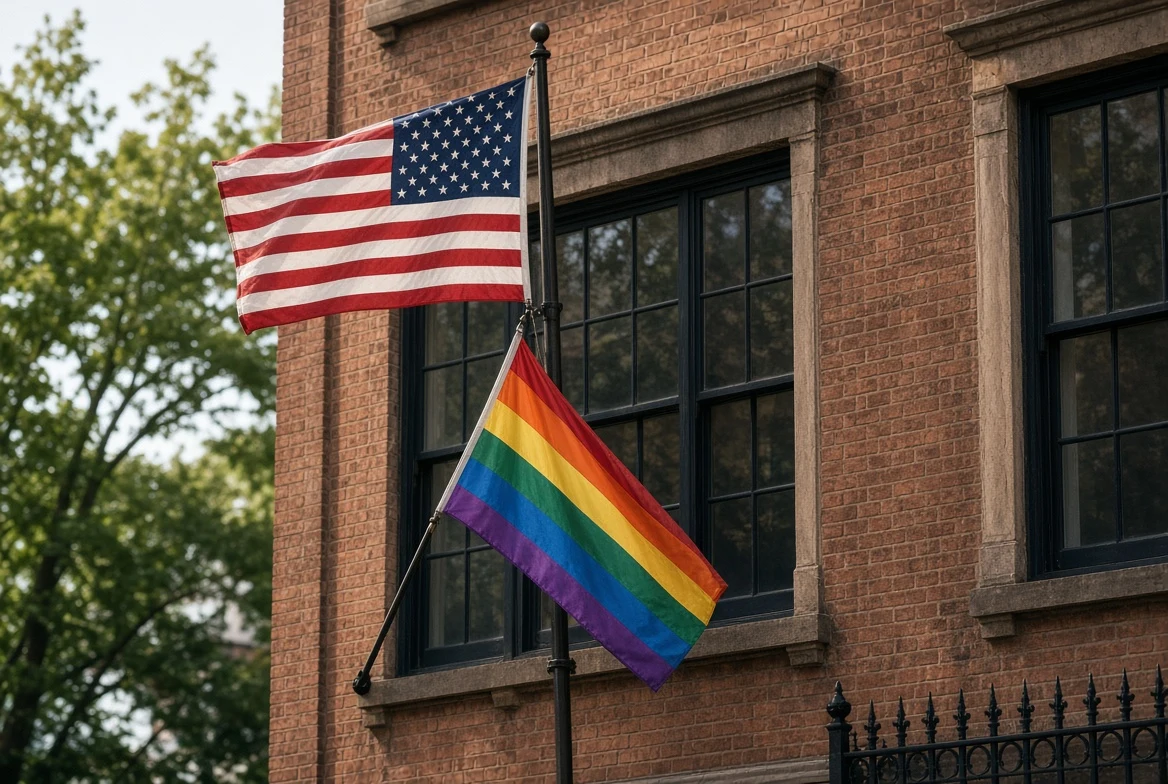
A step beyond paper. A flag-raising puts the pride or progress flag on public property — city hall's pole — for a defined period, per each city's flag-policy procedures. Unlike proclamations, flag policies have generated actual ordinances and court conversations in various jurisdictions over what public property may display, per civic records in recent years. In Miami Beach and other municipalities, the pride raising has become a June institution with its own ceremony; its continuation is the more concrete form of the same municipal commitment the proclamation states on paper.
Why should residents attend one of these meetings?
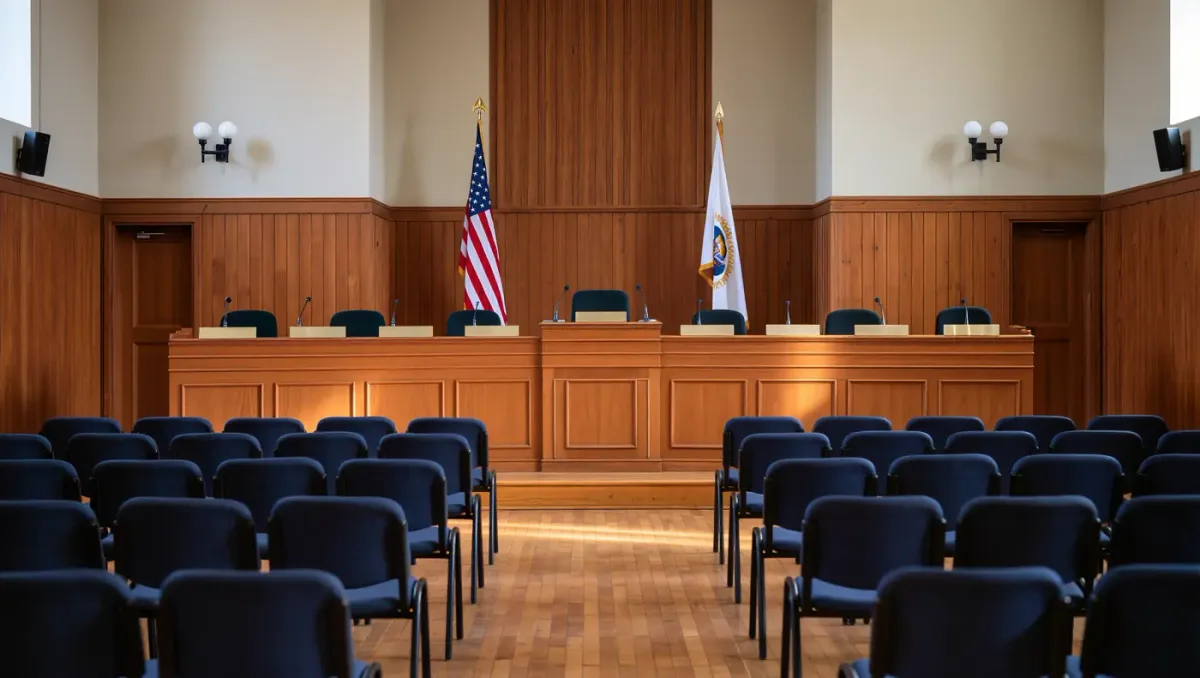
Because the chamber is where the community's standing is performed and recorded. A public comment period precedes most ceremonial items; attendance fills the record; and commissioners — like any elected officials — count bodies. Per civic practice, the June meetings that issue pride proclamations also handle zoning, budgets, and policing items that affect the community materially. The proclamation photo is the symbol; the chamber is where the substance lives. The community's civic presence in June is most useful precisely there — visible, recorded, and counting toward the next item on the agenda.