On the third Thursday of October each year, millions of people — students, corporations, sports leagues, celebrities, and landmarks — wear purple for Spirit Day, the anti-bullying campaign GLAAD organizes for LGBTQ+ youth. Per GLAAD's campaign materials in recent years, participation has reached into the millions across dozens of countries, making it the most widespread single-day anti-bullying observance focused on LGBTQ+ young people. In South Florida, schools, universities, and community organizations take part each fall.
Where did Spirit Day come from?
From a high school student's response to a string of tragedies. In 2010, Canadian teenager Brittany McMillan created the observance to honor LGBTQ+ young people lost to suicide that year — a period that saw a series of widely reported deaths of students facing harassment. The color purple came from the purple stripe of the rainbow flag, which Gilbert Baker's original design associated with spirit. GLAAD took the campaign on, built it into an annual observance on the third Thursday of October, and has coordinated it every year since 2010, per the organization's own history.
What do the numbers say about bullying?
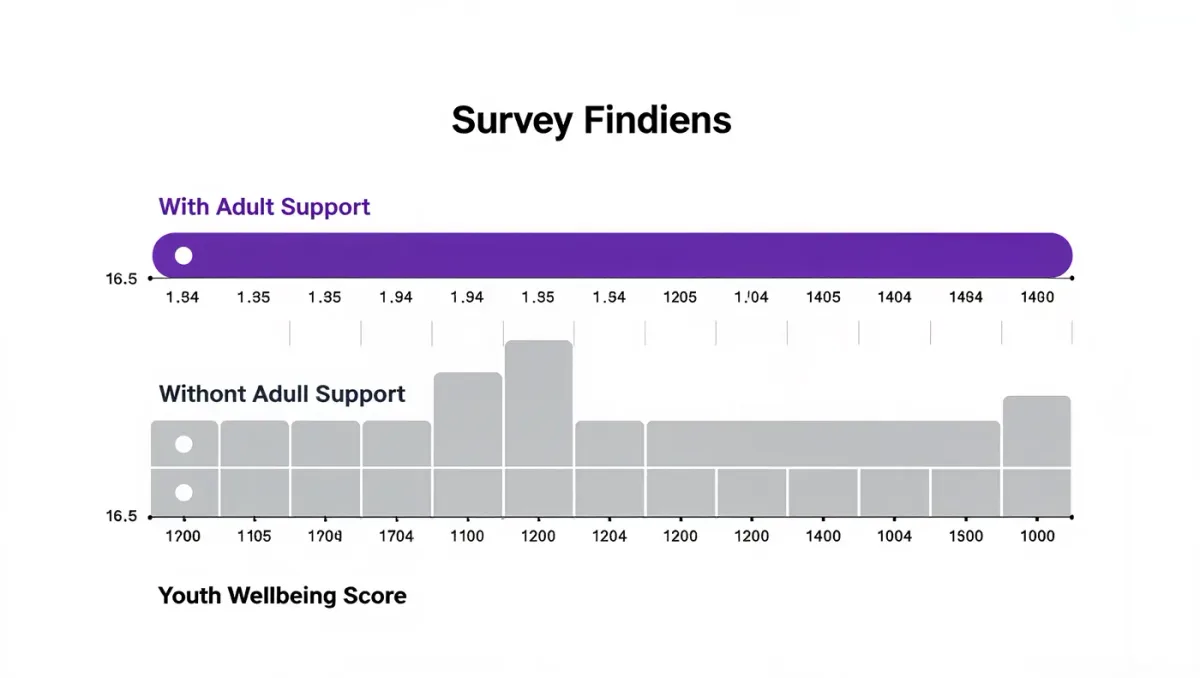
Research compiled by youth organizations, including The Trevor Project's national surveys in recent years, has found that a majority of LGBTQ+ young people report experiencing harassment or discrimination connected to their identity, and that LGBTQ+ youth report significantly higher rates of bullying victimization than peers. The same research carries the counterweight: perceived support — from family, schools, and communities — correlates strongly with better outcomes. Spirit Day's design follows that evidence: visible, public support on a single coordinated day, repeated annually.
How does Spirit Day work in practice?
The mechanics are deliberately simple: wear purple, share why, and support organizations doing year-round youth work. GLAAD coordinates participation from institutions — in recent years including major sports leagues, media companies, and government buildings that light up purple — and publishes campaign toolkits for schools and workplaces. The simplicity is the strategy: a low threshold that lets millions participate once a year, while the campaign's messaging funnels attention toward sustained anti-bullying work and crisis resources for young people.
What is happening in South Florida schools?
School climate has been the contested ground. Florida legislation in recent years has restricted certain classroom discussion of sexual orientation and gender identity, per legislative records, and advocates have documented effects on school-based support for LGBTQ+ students. In that environment, Spirit Day's campus participation in South Florida — student groups, university programming, community organizations partnering with individual schools where permitted — has taken on added weight as one of the few visible signals of support in the school year's fall term. Community organizations in Miami-Dade and Broward typically supplement with youth programming around the date.
How can one person participate meaningfully?
Wear purple, and mean it: the campaign's own guidance stresses that visible support matters most to the young people deciding whether their environment is safe. Support The Trevor Project or local youth organizations financially, learn what your local school's policies actually are, and keep the posture past October — the campaign's founders and GLAAD both frame Spirit Day as an entry point to year-round allyship, not an annual substitute for it.