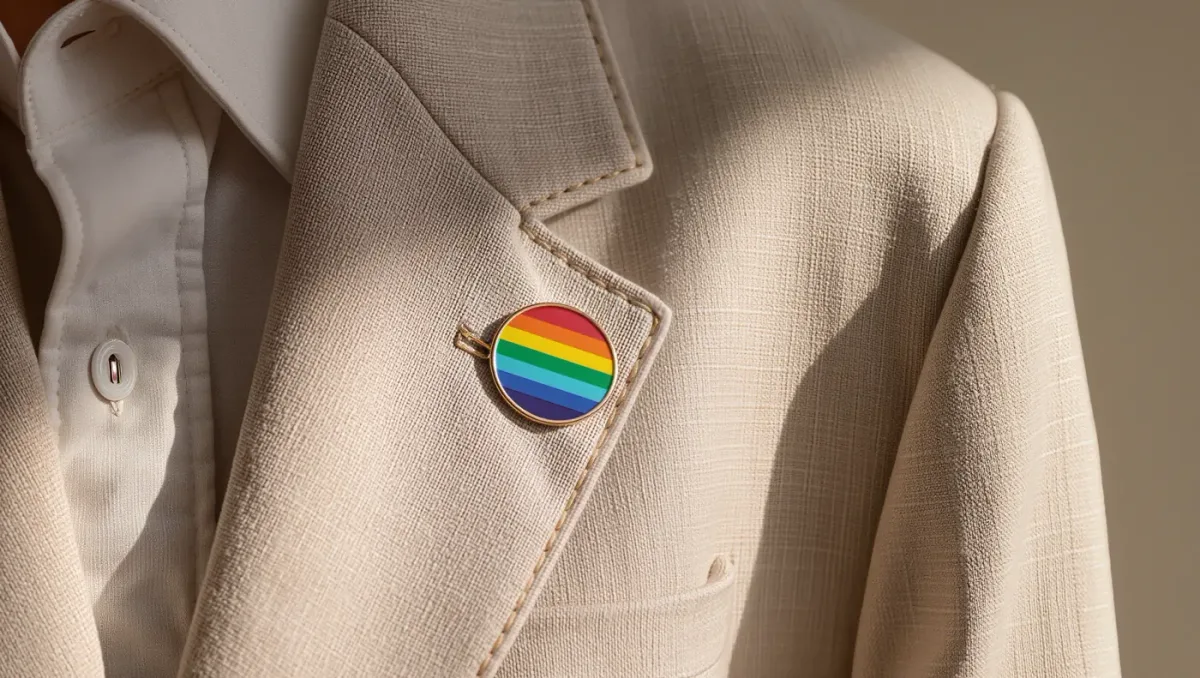
National Coming Out Day, marked every October 11 since 1988, rests on a simple premise: coming out — the act of openly identifying as LGBTQ+ — remains the movement's most personal and most political act. The date was chosen for the first anniversary of the 1987 March on Washington for Lesbian and Gay Rights, which drew hundreds of thousands to the capital, per the observance's documented history. Psychologist Rob Eichberg and activist Jean O'Leary founded the day to turn that march's energy into something repeatable in every town, including Miami's.
Who started National Coming Out Day and why?
Rob Eichberg, a psychologist who ran a personal-growth workshop program, and Jean O'Leary, a former nun turned gay rights activist, created the day in 1988. Their reasoning, per contemporary accounts: legislation follows visibility, and visibility follows individuals deciding to be open with the people around them. The famous slogan attributed to the day's early years — that most people do not realize they know someone gay — captured the theory. Early participation was massive: by some counts a majority of U.S. states held events that first year, and the day spread to other countries in subsequent decades.
How did the meaning of coming out change over four decades?
Dramatically, in both directions. In 1988, coming out meant conversations with family, coworkers, and neighbors — the only channels available. Today, many people come out online first, sometimes to strangers before family, and younger cohorts report mixed experiences: broader communities and vocabulary on one side, permanent digital records and new risks on the other. Advocacy organizations including the Human Rights Campaign have marked the day in recent years with the reminder that for many people, especially in less accepting regions, coming out remains unsafe — the day celebrates those who choose it and defends those who cannot.
What does October 11 look like in Miami?
South Florida's version has typically been low-key compared to pride festivals: community center events, campus programming at local universities, and organizational campaigns encouraging openness and allyship. The timing works in the region's favor — October 11 falls within the fall festival season, near Pride Fort Lauderdale, so coming-out-day events often connect to a wider October calendar. Per organizers' patterns in recent years, the emphasis has shifted toward youth support and toward workplaces, where the decision to be open carries professional stakes.
Is coming out still necessary or still safe?
Both questions, honestly answered: it remains a personal decision with real stakes, not an obligation. Advocates frame it that way explicitly — no one owes anyone their story, and safety comes first. What the day argues is that each visible person changes their surroundings: Gallup's survey work in recent years has documented rising LGBTQ+ identification, particularly among younger Americans, a shift researchers link partly to visibility making identification easier to name and accept. The day's founders would recognize the mechanism: openness, multiplied, changes what seems possible.
How can allies mark the day?
By making openness cheaper for others: responding well when someone comes out, signaling acceptance in everyday ways, and supporting the organizations that back people on the hardest days. The day's own history offers the model — Eichberg and O'Leary built it not around celebrities but around the ordinary act of telling the truth to the people nearby, one anniversary of one march at a time.