Miami-Dade County is roughly two-thirds Hispanic, per U.S. Census estimates, and its LGBTQ+ community reflects that majority. Queer Latino pride here is not a niche within the community — by demographics it is the community's center of gravity, expressed in bilingual festivals, Spanish-language outreach, and a calendar that weaves pride celebrations into predominantly Latino neighborhoods like Little Havana rather than reserving them for the beach. Understanding queer Latino pride means understanding how Miami's pride differs from the generic American festival template.
Why is language central to this pride?
Because Spanish-language visibility changes who shows up. South Florida LGBTQ+ organizations have run Spanish-language outreach and bilingual events for years, per their own materials, recognizing that English-only programming leaves out large parts of the community — including recent immigrants navigating both a new country and coming out. Vocabulary itself carries weight: terms like Latinx and its Spanish-language counterpart attempts, including the newer gender-neutral constructions debated in recent years, reflect a community translating its identity between languages in real time. Bilingual pride events in Miami treat that translation as celebration rather than friction.
What does the Calle Ocho connection mean?
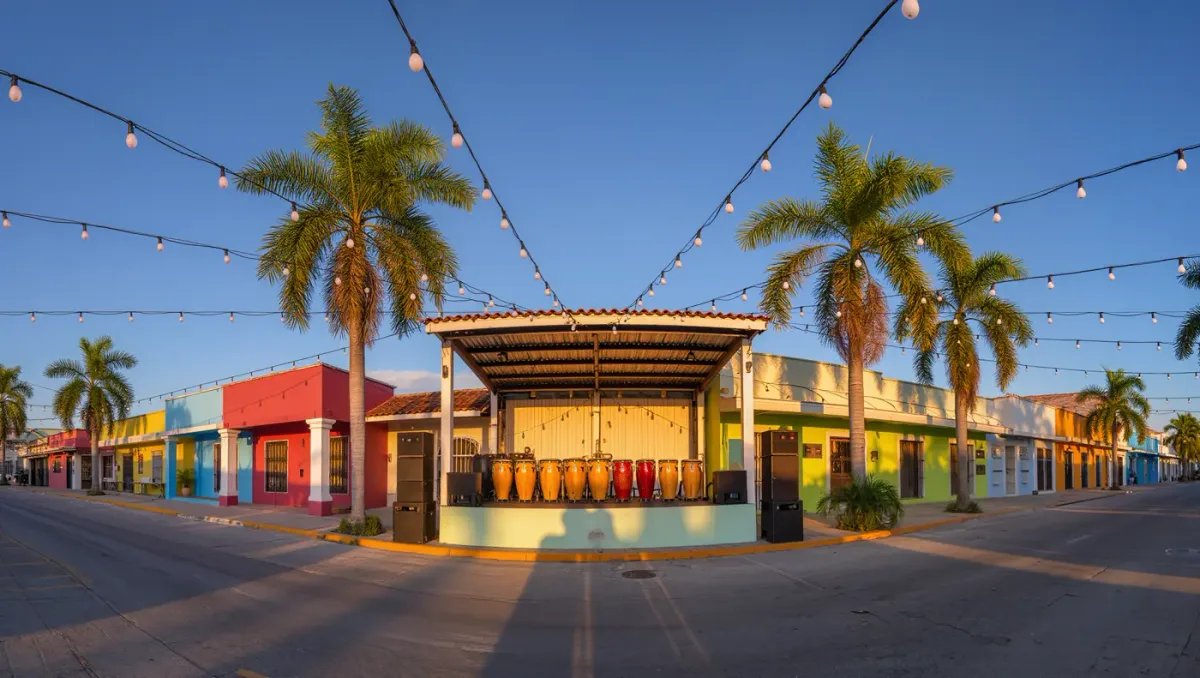
Little Havana's Calle Ocho — Southwest Eighth Street — is the symbolic main street of Miami's Cuban diaspora and the site of massive street festivals, including the annual Calle Ocho carnival celebration. That tradition of taking over the street with music and food is the template queer Latino festivals in South Florida adapted: the Gay8 Festival, launched in Little Havana in 2015, brought a large-scale LGBTQ+ street festival to that same cultural corridor, per the festival's organizers, mixing Latin music acts, food, and community organizations along Fiesta Way-style blocks. The signal was the setting: queer celebration staged not on the periphery but on Latino Miami's own main street.
How does queer Latino culture differ across Miami's diasporas?
Miami's Latino community is plural: Cuban, South American, Central American, and Caribbean, each with its own migration history and its own relationship to public identity. Attitudes toward LGBTQ+ visibility vary across those communities — shaped by home-country politics, religion, and the degrees of freedom the diaspora permits. South Florida has also been shaped by LGBTQ+ migration from across Latin America and the Caribbean, with the region serving for decades as a destination for people seeking both community and distance from home-country persecution, a pattern documented in regional migration reporting.
What do queer Latino pride events look like in practice?
In recent years, the mix has included bilingual drag shows where performers move between English and Spanish on the same stage, salsa and reggaeton nights at venues across the city, Latino-centered pride programming during June festivals, and community organizations' Spanish-language health and legal-resource outreach. The tone is familial in a way the generic festival template is not — multi-generational attendance is common, and family acceptance, long a difficult subject in conservative diaspora communities, is a recurring programmatic theme per organizers' materials.
Why does this pride matter beyond Miami?
Because it demonstrates what a majority-minority pride looks like: not representation as inclusion, but as ownership. When a queer festival occupies Calle Ocho, or a pride stage runs bilingual by default, the question of whether Latino LGBTQ+ people are welcome answers itself. Other U.S. cities with large Latino populations look to Miami's model, and the region's own community keeps testing it — each year's festival calendar a running referendum on how far the celebration has traveled from the margins into the mainstream of Latino Miami.