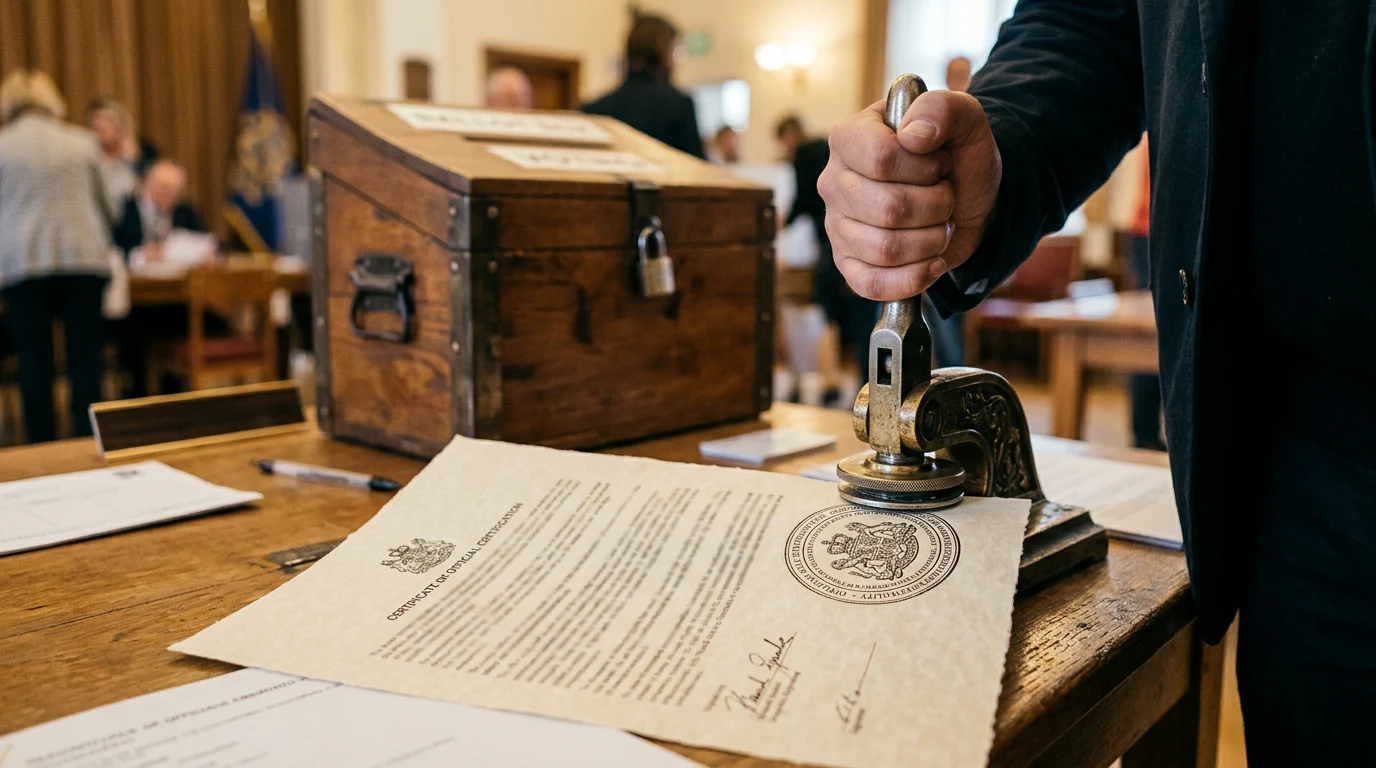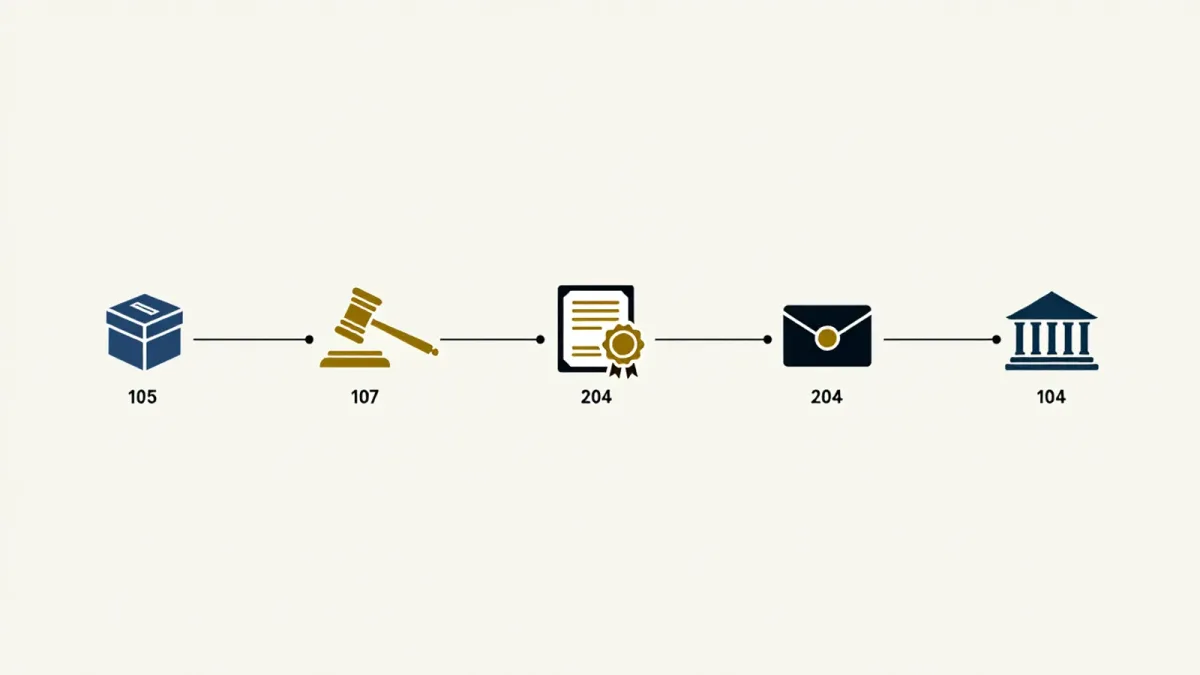
National elections get the attention; local elections get the consequences. The commission that decides your city's policing posture, the school board that writes student policy, the county commission that funds the safety net — all are elected in nonpartisan, low-turnout races where a few thousand votes routinely decide outcomes. Per Florida election records across recent years, turnout in municipal races regularly runs below statewide averages by wide margins, which is the practical civics lesson: the shortest distance between a ballot and a changed policy runs through a local election.
What makes local elections different?
Their design. Per the region's charters and election procedures, most municipal races are nonpartisan — no party labels on the ballot — and many are by district, meaning you vote only for the candidate running where you live. Term limits cycle seats regularly; off-year and stand-alone election dates compress turnout further; and campaign budgets, while real, run at scales where door-knocking genuinely competes with advertising. The combination produces a distinctive strategic fact: in a race decided by thousands of voters, organized constituencies are not a factor — they are the deciding factor.
When do these elections happen?
On a scattered calendar worth knowing. Per county election offices' published schedules, the region's municipalities run elections on varied dates — some aligned to the November general, some in stand-alone spring dates, with primaries where required earlier. School boards and county commissions mostly ride the November cycle with staggered terms; city commissions vary by charter. Per election records in recent years, the scattered calendar is itself a turnout mechanism: stand-alone dates mean the voters who show up are the motivated ones — and organizations that track the dates hold a structural advantage over those that do not.
How do you know what a candidate actually stands for?
Through the record, which is unusually accessible. Per Florida's election and government-in-the-sunshine requirements: candidates' filings and finance reports are public through the county election offices; incumbents' voting records live in meeting minutes published by each body; and the campaign season's forums — hosted by neighborhood associations and civic groups — are where local races are actually argued. Per civic practice across recent years, candidate questionnaires from community organizations accumulate into a de facto public record, and incumbents' answers to last cycle's questionnaires remain checkable against their votes.
Why do local officials matter more than their profiles suggest?
Because the jurisdiction matches the life. Your city commission sets policing practice, housing policy, event permits, and the budgets described in every civic fight; your school board runs the district; your county commission funds the health system, transit, and elections themselves. Per the region's governance records, the policies that most immediately shape daily life — what happens on your street, in your school, at your clinic — are decided by officials whose races most voters skip. The distance between ballot and consequence is shortest precisely where attention is rarest.
What is the practical playbook for a voter?
Per civic-registration fundamentals, four steps: confirm your registration and party-free eligibility for nonpartisan races through the county election office; learn your district — one lookup determines every candidate you will see; read the finance reports and minutes before the forums; and vote in the stand-alone dates, not just Novembers, because that is where the motivated electorate — historically, someone else's — decides. Local democracy is a turnout contest between organized constituencies. The only question each cycle is which one shows up.