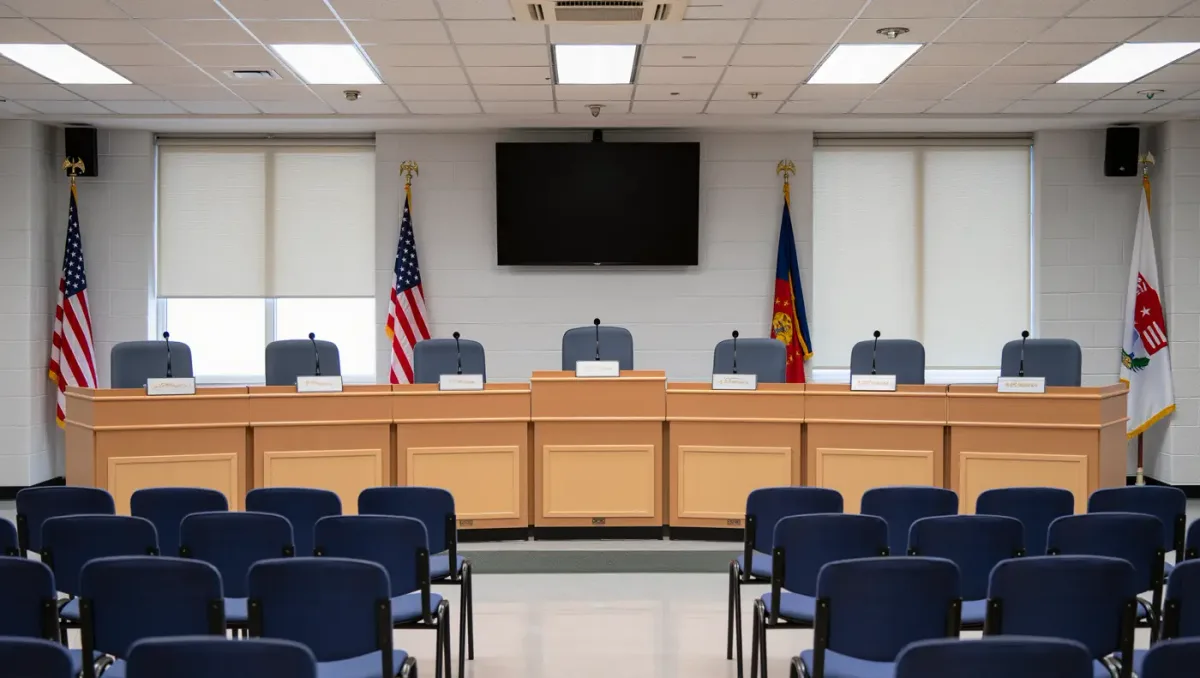
The fights over LGBTQ+ student life are usually reported as state politics — and the state does set the frame. But the daily reality for a student in Miami-Dade or Broward is made substantially by school boards: nine-member elected bodies that translate state law into district policy, decide what guidance exists, and run the meetings where these questions get argued in public. Per the two districts' own governance records, understanding how boards work is the practical map to how student policy actually changes.
What does a school board actually control?
The district layer. Per Florida's governance structure, school boards set district policy within state law: student codes of conduct, anti-bullying frameworks, staff training programs, curriculum adoption within state standards, and facility decisions. Boards cannot override state statutes — recent legislation constraining classroom content binds districts — but implementation remains local: how policies are written, what procedures exist, how complaints are handled, and what culture the district's administration builds. Two districts under identical state law can run materially different realities, which is why board composition matters.
How does state law flow down to a student's classroom?
Through a chain of discretion. Per the legislative-to-classroom sequence: statutes and state board rules set requirements; district legal and policy staff translate them into procedures; superintendents and administrators implement; and principals apply. At each translation, interpretation lives — what a law requires versus what it permits versus what it simply does not mention. Per the implementation records of recent years, this is where the real variation occurs: identical statutes produce different student experiences depending on how each district's chain reads them.
What happens at a school board meeting?
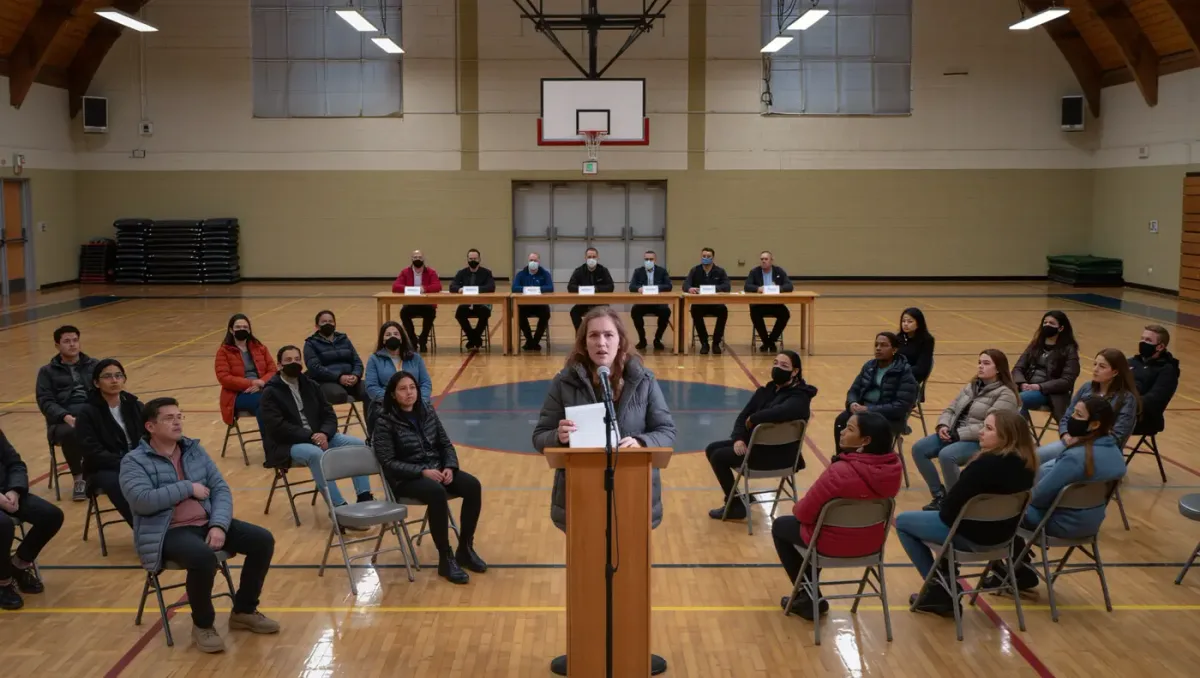
Public business in public. Per the districts' published procedures, regular meetings run on noticed agendas — policy votes, contracts, superintendent reports — with public-comment periods where residents speak within time limits. In recent years, these comment periods became the visible front line of the policy fights: meetings in both districts drew national attention when LGBTQ+ policy questions packed chambers, per contemporaneous reporting. The mechanics matter for participation: speakers sign up in advance per each board's published rules, comments are time-limited, and the board rarely responds — the record, not the debate, is the point of the room.
When do board seats come up, and why does that matter?
On rotating cycles, per each district's election schedule: board members serve staggered terms in nonpartisan countywide or district seats, meaning some seats are up every cycle. Per Florida election records across recent years, school board races — historically low-turnout — have drawn surge attention and spending in periods when student policy is contested. The practical civics: these are the elections where a vote has the shortest distance to travel between ballot and daily student life, and the campaigns are legible — candidates state their positions on the contested questions plainly.
How should the community engage with its boards?
Per civic-practice fundamentals, at the three levels that work: speak at meetings on noticed items, because the record shapes policy staff's drafting; follow the agendas — published in advance per state sunshine requirements — because policy arrives as agenda items before it becomes headlines; and vote in the nonpartisan races, where turnout decides composition. State politics sets the frame, but school boards set the day. The community's students attend school under policies their neighbors vote for, nine seats at a time.