Every consequential civic question — event support, cultural grants, community policing, homelessness services — resolves annually into the same document: the city budget. Per the region's municipalities' budget calendars, the document is built in public across the summer, adopted before the October fiscal year, and amended throughout the year. For the community's organizations and residents, the budget process is the most under-attended meeting series with the most consequential outcomes. How the money actually moves is knowable from the calendar.
When does the budget process happen?
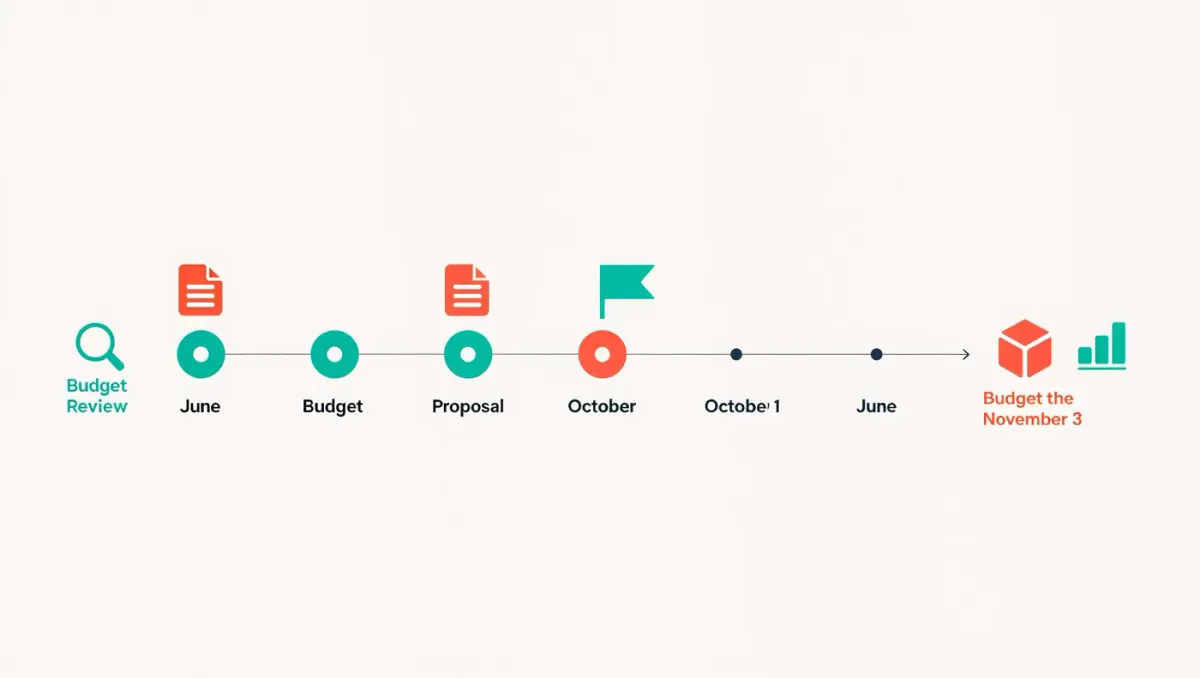
Summer, on a state-mandated clock. Per Florida's truth-in-millage requirements, cities must advertise proposed property-tax rates and hold two public budget hearings in September, per the state's published requirements — which means the process that decides the following year's funding runs from spring workshops through the September hearings. Departments submit requests in spring; the manager's proposed budget lands in summer; and the September hearings are where adoption happens, often with minutes of public comment. The calendar is published; the trick is reading it as a community schedule.
Where does community money actually appear?
In specific, findable line items. Per the region's adopted budgets across recent years: special-event support — the municipal services behind festivals; cultural-affairs grants — the council programs that fund artists and organizations; social-services funding streams that pass through to nonprofits; and capital items — park improvements, facility maintenance — that determine where community programming physically happens. Per budget documents' structure, each line carries a number and a narrative, and the numbers from previous years set the baseline: a program funded once tends to survive, which is why the first-year fight matters most.
How can residents influence a line item?
Through the two channels the process provides: the hearings and the workshops. Per civic practice, the September hearings are the formal venue — five minutes at a microphone, on the record, with commissioners watching the room — while the summer workshops are the substantive venue, where draft budgets are negotiated before the formal hearings make changes difficult. The residents who show up to workshops in June and July shape the proposal; the hearing speakers in September ratify or regret it. Per the region's budget battles in recent years, attendance registers: a chamber of commenters moves lines that emails do not.
What should the community read in a budget document?
Three sections, per the documents' standard structure: the revenue summary — which tells you the tax base's health and the rate decision; the department summaries — which show service levels and staffing; and the grant and outside-agency schedules — where the community organizations' funding appears by name. Per the region's published budgets, the outside-agency lists are the community's funding map: every nonprofit receiving city money, named with amounts, comparable year over year. Reading one page answers a season of speculation.
Why does budget literacy matter politically?
Because budgets are the only promises that count. Elected officials' platforms are prose; the adopted budget is arithmetic — the document where priorities become appropriations. Per the civic record across recent years, the community's wins and losses at City Hall eventually appear as budget lines: the funded program, the staffed position, the maintained facility. Following the calendar, reading the schedules, and speaking in the rooms where lines are decided is how a constituency becomes a line item — the difference between being remembered and being funded.