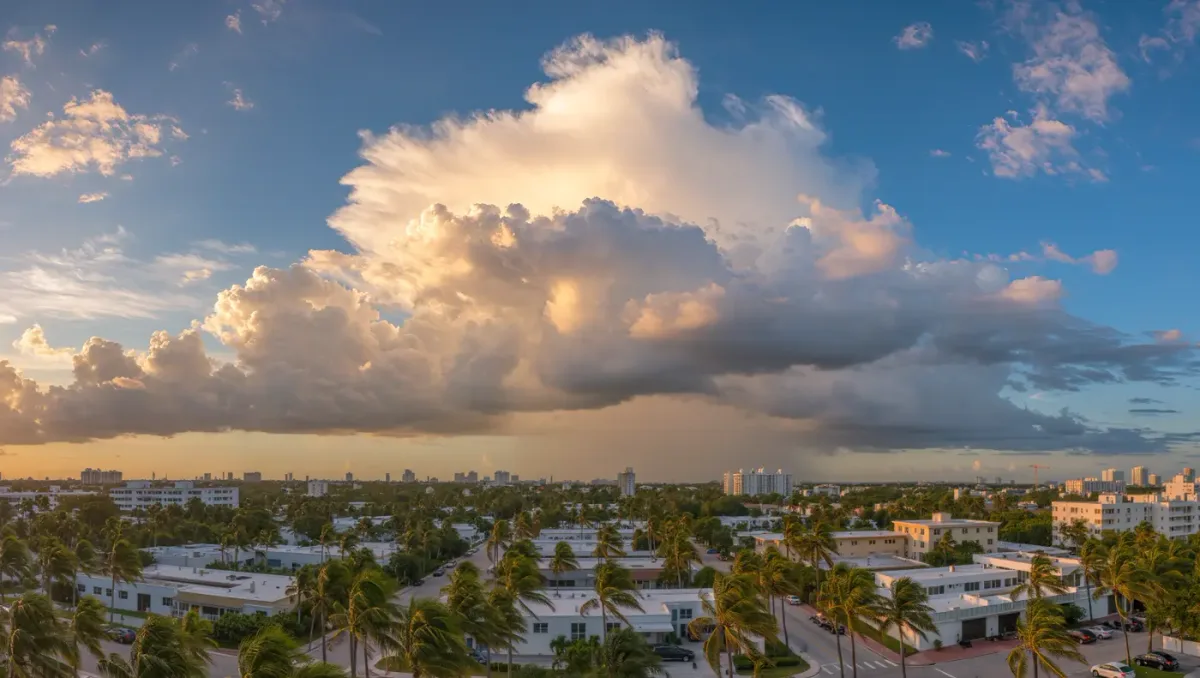
The first week of August opens the statistical peak of Atlantic hurricane season, per the National Hurricane Center's climatology — the months when South Florida's plans carry weather contingencies and every resident's question turns practical. For the community, the questions have specific shapes: which venues shelter whom, how prescriptions and care plans survive an evacuation, and what the documented experience of past storms teaches about the systems that hold and the ones that fail. This primer collects the answers the region's civic and community infrastructure actually provides.
This article publishes information about emergency preparedness, not advice for any specific storm; in an active event, follow official county emergency management instructions.
What does official preparedness actually require?
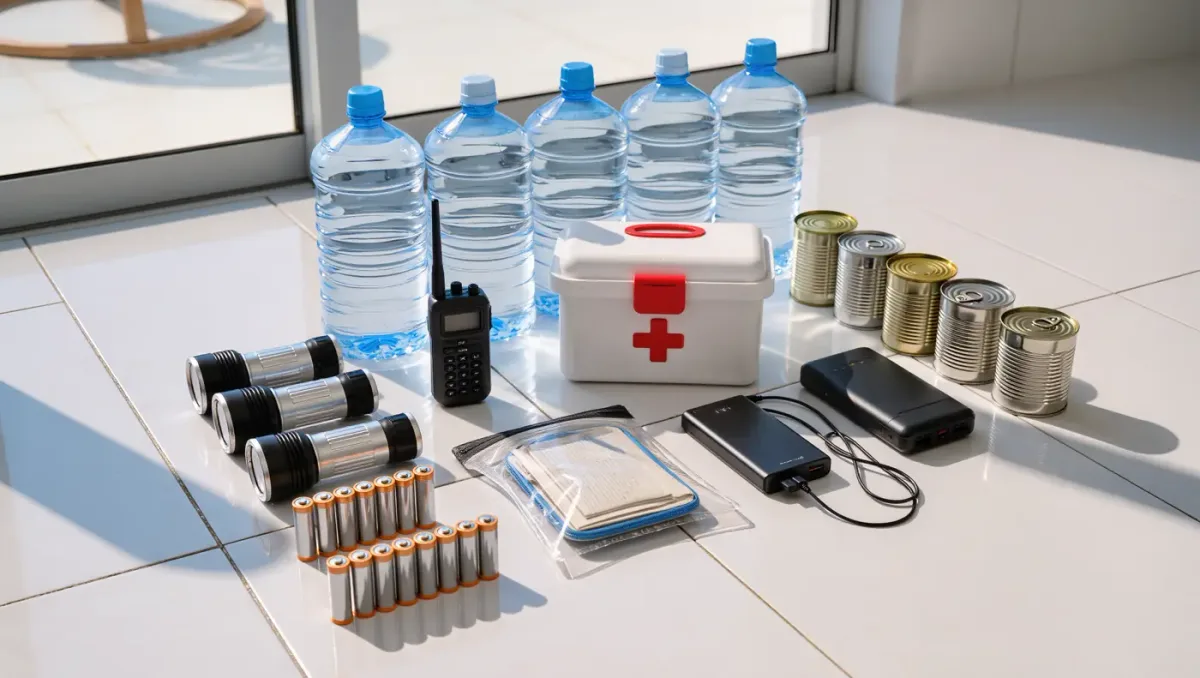
Per Miami-Dade and Broward emergency management's published guidance: a three-category plan — supplies for the days after landfall when power and water fail, a shelter decision made before the warning rather than during, and document and medication planning done in calm weather. The counties operate designated evacuation zones with published maps, hurricane-season registries for residents with special needs, and shelter systems that open on emergency declarations. Per the agencies' materials, the consistent lesson of past storms is timing: decisions made in the warning's last hours are the ones that fail.
What are the community's specific concerns?
The documented ones cluster around continuity of care and confidentiality. Per providers' published guidance in recent years: medication continuity — HIV treatment, hormone therapy, and psychiatric medications require advance refills, since pharmacies close and supply chains pause; service continuity — community health centers and syringe-service programs publish storm protocols for clients in active treatment; and shelter appropriateness — transgender residents have documented concerns about shelter assignments, which the counties' special-needs registry and shelter policies address formally, per emergency management materials. Knowing the registry exists, and registering before August's peak, is the operational answer.
What did past storms teach the community?
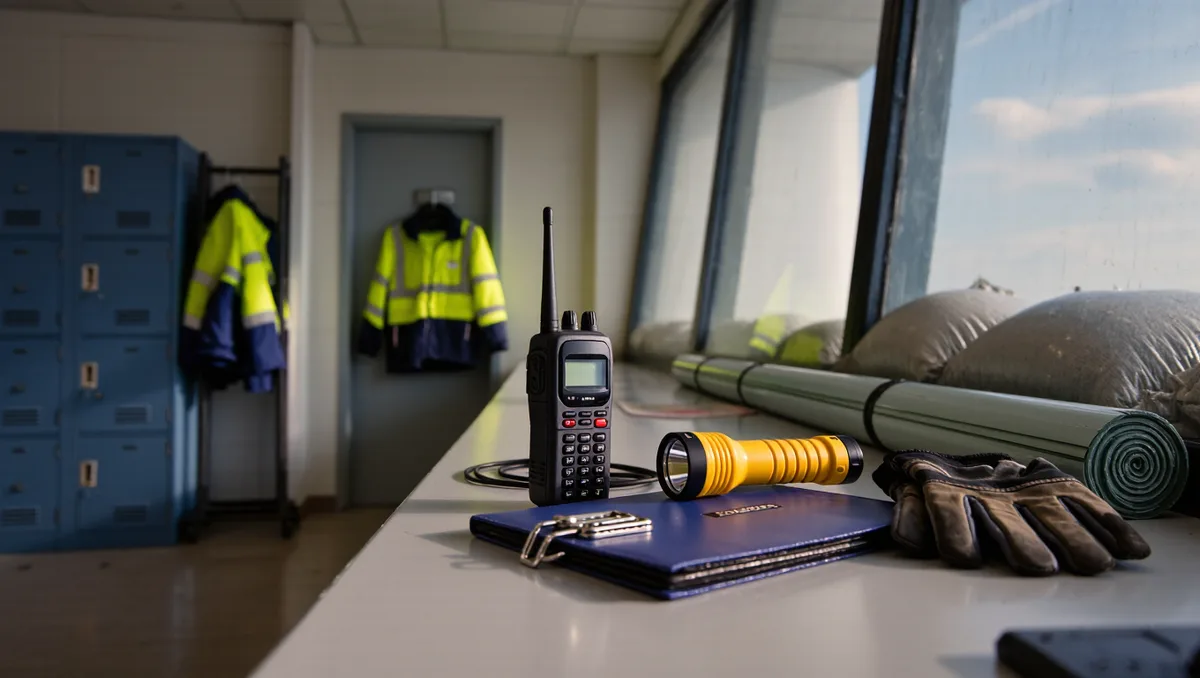
The documented record includes both damage and institutional response: storms across recent decades forced the region's venues and community organizations into the same recovery economy as everyone else, with the added layer that community spaces doubled as informal coordination points, per the documented histories of past recoveries. The institutional lessons hardened into practice — generators for the servers and medical storage, communication trees that function when cell networks saturate, and the regional mutual-aid patterns that appear after landfall. Per the recovery records, formal systems start slow after major storms; the community's informal networks historically started immediately, and planning has since formalized that fact.
How do the community's events and season weather a storm?
By design now. Per the region's organizers' published policies in recent years, fall events carry hurricane clauses — postpone-and-credit terms rather than forfeit — and the season's October schedule assumes a September contingency. The August planning month described across the community's institutional calendar exists partly for this reason: the fall gets built with weather windows built in, because everyone here reads the same climatology.
What should someone do this week?
The standard checklist, per the counties' published guidance: know your evacuation zone and the special-needs registry's terms; refill and document prescriptions beyond the storm window; photograph documents and store them accessibly; write the shelter decision before the cone; and check on the neighbors and members who plan worst alone — elders, newcomers, anyone recently arrived who has never ridden out a season here. Peak season is a shared regional fact. The community's history here is that it plans, checks, and reopens — in that order, every year.