Florida's Legislature convenes each year for a regular session of sixty days, per the state constitution's framework — a compressed annual cycle in which hundreds of bills live or die, including the measures that have defined the state's political posture toward LGBTQ+ life in recent sessions. For the community and the reporters covering it, session is the season that matters. How the machine actually works — from bill filing to committee to the governor's desk — is knowable, and knowing it is the difference between reacting to headlines and reading the process.
What happens before session even starts?
Most of the work. Per the Legislature's published calendars across recent years, committee weeks convene in the fall and winter before the spring session: bills are filed — by the thousands in recent sessions per legislative records — referred to committees, and debated in hearings months before the sixty-day clock starts. The practical consequence: the session's big outcomes are largely visible before session begins, in the committee agendas and bill files that anyone can read on the Legislature's public site. By opening day, the survivors are known; session runs the rest of the gauntlet in public.
How does a bill actually become law here?
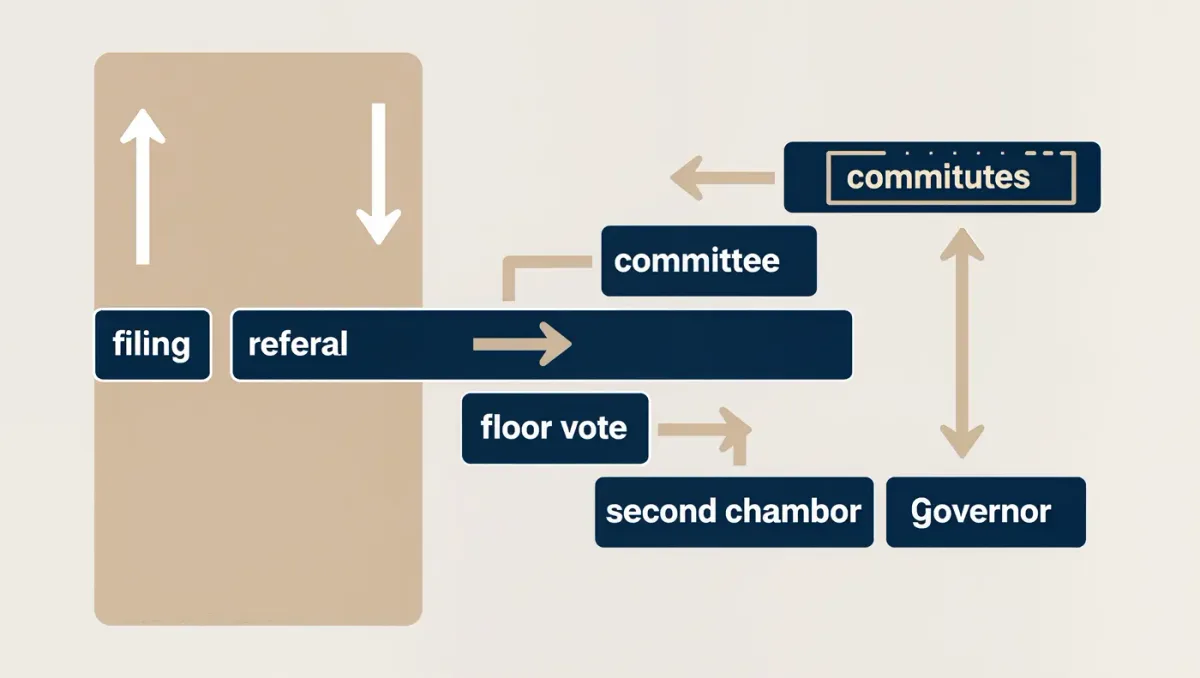
Through committees in both chambers, then floor votes in each, then reconciliation, then the governor. Per the legislative process: a bill needs committee passage in its house of origin, a floor vote, then the mirror process in the second chamber, with differences reconciled — or accepted — before final passage. The governor signs or vetoes. The committee stage is the real filter: most bills die there without floor votes, per the session records every year, and chair discretion over agendas is where the actual power sits. A bill's committee path is its prognosis.
Why has session mattered so much to the community recently?
Because the recent sessions legislated directly on the subject. Per the record of recent years, Florida has passed laws restricting classroom instruction, healthcare for transgender minors and adults' access questions, document recognition, and local protections' room to operate — a body of law built in successive sixty-day cycles, tracked in real time by advocacy organizations' legislative teams. The pattern taught the community the process: bill numbers, committee calendars, and the vocabulary of preemption and implementation are now regular civic literacy here, because the state level now writes what cities and schools must live under.
What can residents actually do during session?
What the process records. Per the Legislature's published procedures: testimony at committee hearings — in person or remotely where offered — written comment to members, and the direct advocacy that organizations coordinate during session weeks. Miami-Dade and Broward delegations — the local senators and representatives — hold identifiable positions and constituencies, and their votes are recorded and published. The mechanics reward volume and specificity: committee members report that constituent contact registers, particularly on bills without organized opposition or support until citizens arrive.
How should someone follow the next session?
With the primary sources. The Legislature's site publishes every bill file — text, sponsors, committee votes — in real time; advocacy organizations publish tracked bill lists each session; and the local delegations' offices respond to constituent inquiries. Sixty days is short, but the files are open the whole time: the session's story is written in public, committee by committee, and the community that reads the process rather than the headlines gets its say while the say still matters.