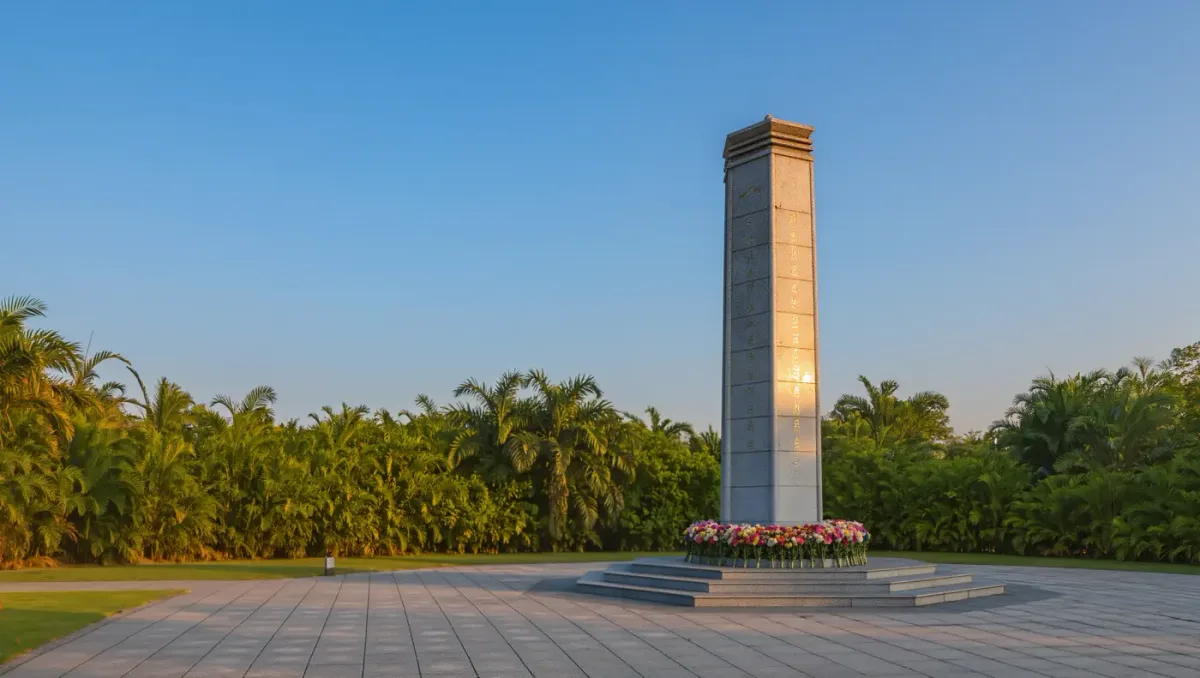
In a Wilton Manors plaza, between the district's bars and businesses, the World AIDS Museum and Educational Center operates one of the most unusual missions in the American museum world: documenting the history of the AIDS epidemic — its science, politics, losses, and responses — as a standing public institution. Founded in 2014 by community figures including the late Steve Stagon, per the museum's own published history, it remains among the only museums anywhere dedicated wholly to the subject, in a county whose HIV rates have for years ranked among the nation's highest per CDC surveillance data.
Why did a museum open in Wilton Manors?
Because the location is the constituency. Broward County, home to Wilton Manors' LGBTQ+ district, has recorded among the highest HIV diagnosis rates of U.S. counties for years, per federal surveillance data — the epidemic is not history here but ongoing public health. Founders built the museum in the district's center to connect that present to its past: exhibits documenting the epidemic's four decades sit minutes from the community most affected in Florida. The founding premise, per the museum's materials, was education as prevention — history deployed against the complacency that lets transmission continue.
What does the museum actually contain?
Rotating and permanent exhibitions covering the epidemic's arc: the science, from the first documented cases in 1981 through treatment breakthroughs; the political history, from activism to government response; the cultural record, including the NAMES Project Quilt's story; and education programming aimed at schools and community groups, per the museum's published materials. Its footprint is modest by museum standards — the institution runs on community support — but its function is distinct: a standing place where the epidemic's history is curated, contextualized, and connected to current prevention work, rather than remembered only on December 1.
Related stories: Two Districts, One Community: How Miami's Queer Business Map Shifted · Growing Old in the Community: SunServe and South Florida's LGBTQ+ Elders.
How does it connect history to today's epidemic?
Through programming that treats the past as argument. The museum's educational work links the documentaried past to present prevention realities — testing, treatment as prevention, PrEP access — per its published mission, and its South Florida location makes the link concrete: the epidemic's local face is in the same census tracts the exhibits describe. Per public health data, new prevention tools have changed the epidemic's terms in recent years; the museum's role is keeping the through-line visible — how communities fought back before, and what that history teaches the present response.
Why does a dedicated museum matter when documentaries and books exist?
Because institutions do what media cannot: they stay. Films end, anniversaries pass, news cycles move on — but a museum holds the narrative open, updates it, and anchors it to a place people can visit. For a pandemic whose global death toll exceeds forty million, per WHO estimates, and whose American story is central to LGBTQ+ history, the thin institutional coverage — a museum counted on one hand — is itself a fact worth noticing. Wilton Manors' institution fills a gap that no other American city has filled at all.
How can visitors support and use it?
Visit and donate — the institution operates on community support and its exhibits rotate; bring visitors and student groups, since education is its mission core; and connect December 1 programming to the museum's calendar, where World AIDS Day has a standing home. Per its published information, the museum welcomes school and community groups — the audience its founders considered the point: the generation with no memory of the crisis, learning why the history matters to their present.