Miami's LGBTQ+ theater scene runs on two tracks: the professional stages that mount queer work within mainstream seasons, and the smaller venues and collectives where queer performance is the program rather than the slot. Both have deep roots here — South Florida theater has mounted queer work since the crisis years, when stage benefits and memorial performances were community infrastructure — and both remain active. This guide maps the tracks and explains how to watch the scene well.
What do the professional stages offer?
The region's mid-size professional theaters — venues in Coral Gables, North Miami, and Broward's established companies among them — program queer work as a recurring strand of their seasons: contemporary plays with LGBTQ+ leads, revivals of the canon's gay classics, and new work developed in regional pipelines. Per published seasons in recent years, productions with queer central relationships have appeared on South Florida professional stages every year — no longer novelties, though their frequency varies with each theater's identity and audience. Season announcements each spring are the moment to scout the year's queer programming and buy while seats are cheap.
Where does the fringe live?
In the venues the guidebooks skip: small black-box spaces, warehouse conversions in Wynwood and Little Haiti, cabaret rooms, and project-based collectives that mount short runs in found spaces. Miami's fringe has long carried the community's experimental work — drag-theater hybrids, solo performance, bilingual new plays — with runs of a weekend or two and budgets to match. The fringe is also where cross-genre work happens: the boundary between theater and drag performance, between play and party, is porous here in ways the professional stages do not attempt. Following the venues and collectives on their own channels is the only reliable method; the scene announces late and moves fast.
How did queer theater shape Miami community history?
As infrastructure during the crisis. In the late 1980s and 1990s, stage benefits, memorial performances, and theater-community fundraisers were among the era's primary community fundraising mechanisms, per documented local histories — the performance world's response to AIDS predates and parallels the institutional responses. That history left a permanent orientation: South Florida stages treat community benefit performances as normal business, and the memory of theater-as-care informs how the scene's veterans talk about their work.
What role does drag-theater play?
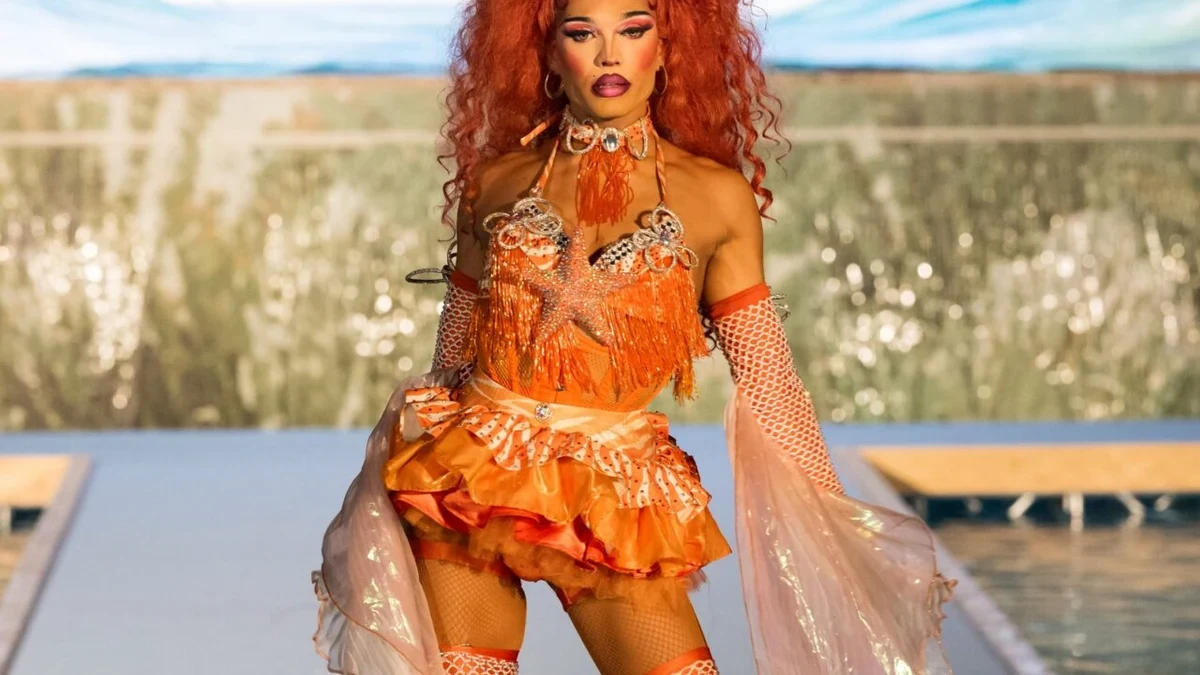
A growing one, and Miami is natural territory for it. Drag here has always borrowed theater's tools — narrative shows, character work, seasonal productions — and theater has borrowed drag's audience instincts. The result is a hybrid zone: scripted drag shows, theater venues programming drag-cabaret runs, and performers who work both sides professionally. Per venue listings in recent years, the hybrid form has moved from novelty to programming staple, especially in Wilton Manors and Wynwood venues.
How should a newcomer spend a season?
One production on each track. Pick the professional stage's queer entry — the season announcement tells you which and when — and one fringe run from the small venues' channels, ideally a weekend show where the artists stay for the bar afterward. Add a drag-theater hybrid for the form's Miami-specific energy. That trio covers the scene's range for the price of two dinners out, and it puts a newcomer inside the rooms where the community's performing life actually happens.