World AIDS Day, marked every December 1 since 1988, lands differently in South Florida than in most American cities. The Miami metropolitan area has for years recorded among the highest rates of new HIV diagnoses of any large U.S. metro, per CDC surveillance data — a fact that turns December 1 here from a commemoration of history into a report on the present. Miami's observances blend the international rituals of the day, from the NAMES Project Memorial Quilt to candlelight gatherings, with the region's own ongoing public-health work.
Where did World AIDS Day come from?
The observance dates to December 1, 1988, when the World Health Organization established it as the first international health day, per WHO records. The red ribbon followed in 1991, created by a New York artist collective. Nearly four decades on, December 1 is marked in cities worldwide — and in Miami, it sits inside a December that also includes remembrances tied to the community's own epidemic years.
What does the data say about South Florida?
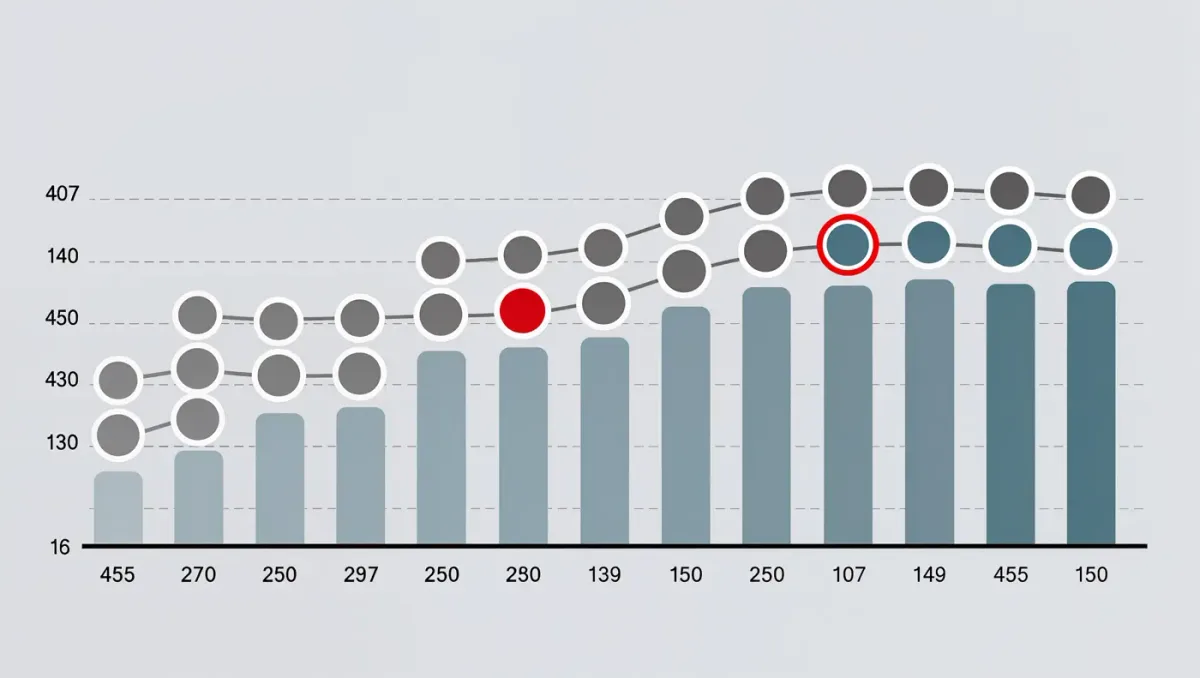
Per CDC HIV surveillance and AIDSVu mapping in recent years, the Miami metropolitan area has consistently ranked among the highest of large U.S. metros for new HIV diagnosis rates, with Broward and Palm Beach counties also elevated. The epidemic here has concentrated in specific populations — including Black and Latino men who have sex with men — and the federal Ending the HIV Epidemic initiative, launched in 2019, named Miami-Dade among its priority jurisdictions, per federal program records. Those numbers are the unstated backdrop of every local December 1 event.
What do Miami's observances actually look like?
The pattern in recent years: evening candlelight vigils and remembrance gatherings organized by community and faith organizations; free testing and awareness events run by county health departments and nonprofits around the date; and displays or sections of the AIDS Memorial Quilt, whose national archive the NAMES Project Foundation maintained before its transfer to the National AIDS Memorial. South Florida institutions, including the World AIDS Museum in Wilton Manors, anchor educational programming around the date. Schedules vary by year and organizer — check organizations' own announcements each December.
Why does the Quilt still matter?
The NAMES Project Quilt, begun in San Francisco in 1987, remains the largest community art project in the world, per its custodians, with tens of thousands of panels each memorializing a person lost to AIDS. Its local resonances are concrete: panels made by Miami families, and displays that turn statistics back into named individuals. For a city whose epidemic years reshaped neighborhoods and institutions, the Quilt's scale carries the argument that remembrance and data are the same story told two ways.
How is Miami-Dade responding the rest of the year?
The county health department and partner organizations run year-round prevention and treatment programs, including test-and-treat initiatives and pre-exposure prophylaxis access under state and federal funding, per program records. Advocates in recent years have tracked both progress and gaps — declining diagnosis numbers in some populations alongside persistent disparities — and World AIDS Day functions as the annual public accounting of that ledger. For Miami, December 1 is the one day the region's HIV numbers stop being a public-health file and become a civic conversation.