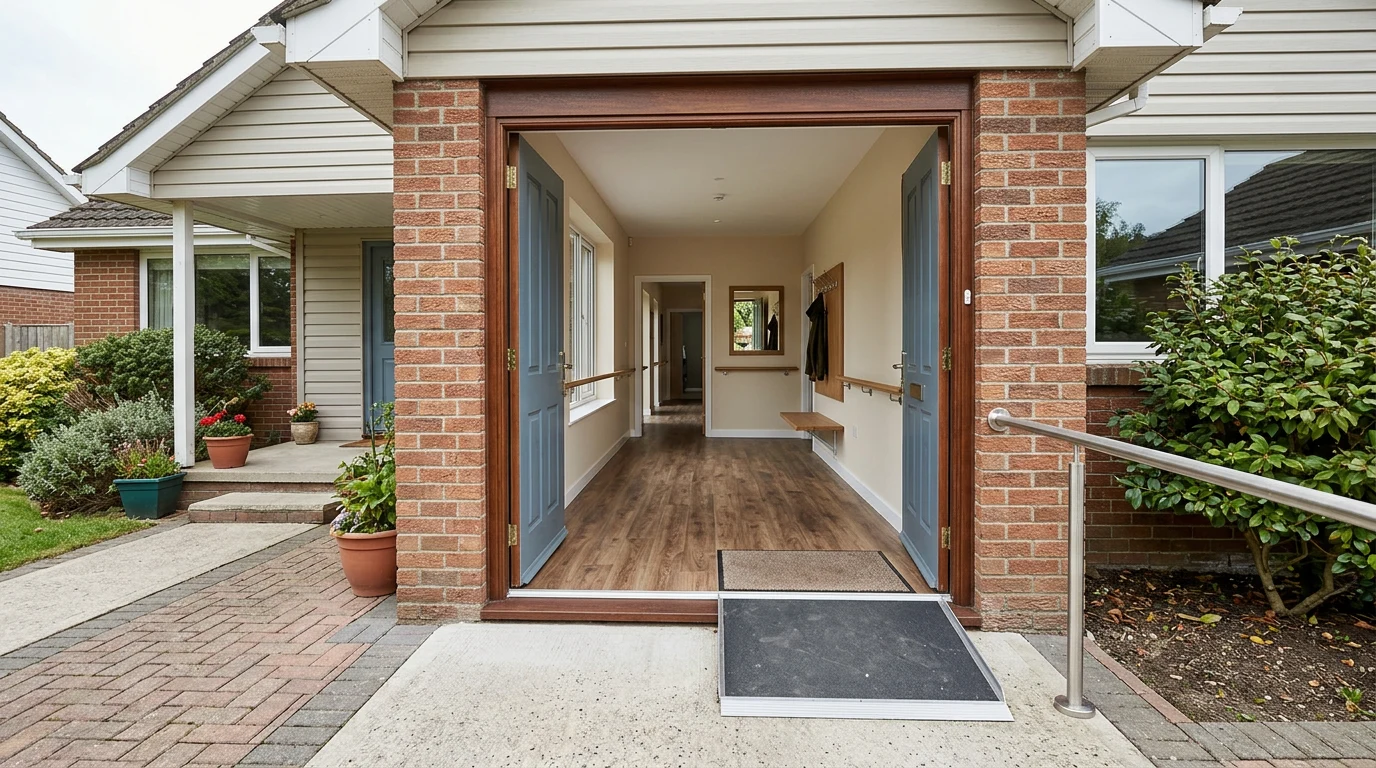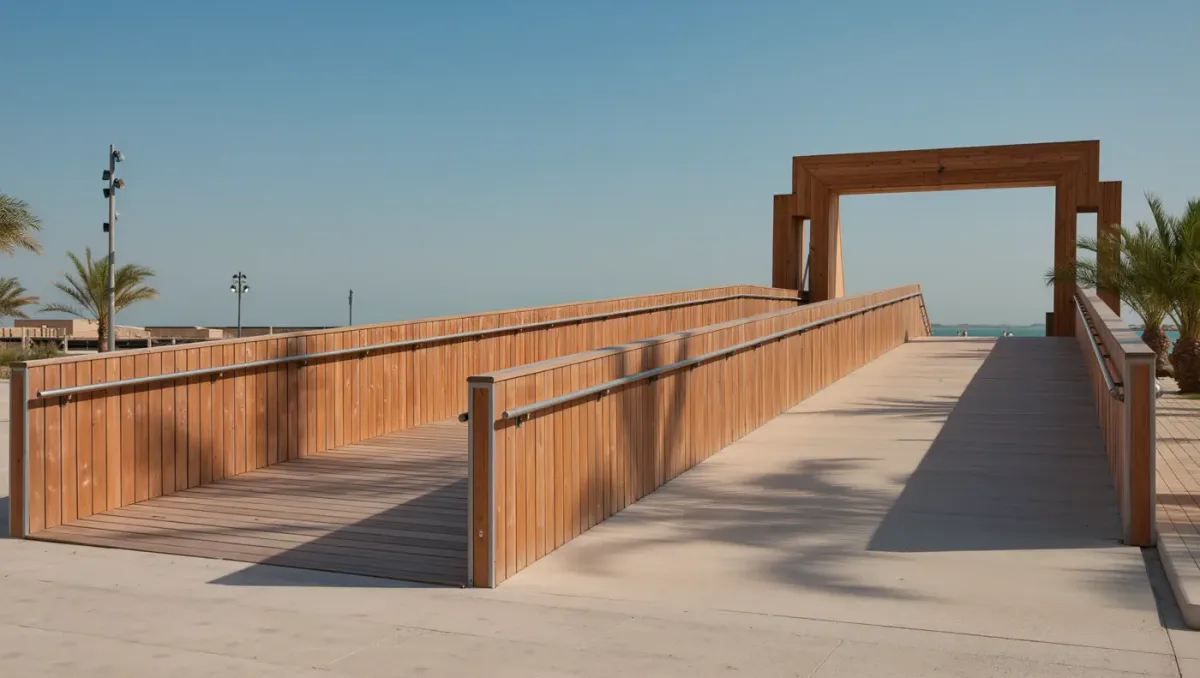
South Florida's LGBTQ+ event calendar — beach festivals, street closures, pool parties, packed club nights — is built on terrain that assumes able bodies: sand, asphalt heat, standing-room crowds, amplified sound. This guide is for attendees with disabilities and anyone planning with them. The short version: the Americans with Disabilities Act sets a legal floor for public events, but the difference between compliance and genuine access comes down to questions you ask organizers before you go — and South Florida's major events have, in recent years, expanded the answers they can give.
This article publishes information about event access, not legal advice.
What does the ADA require of pride festivals?
Public events on private and public property alike are covered by ADA Title III and local ordinances: reasonable accommodations, accessible routes, and effective communication, per the U.S. Department of Justice's guidance. In practice for a festival, that means an accessible path through the grounds, accessible restrooms, and a process for requesting accommodations. Street festivals are imperfect terrain — temporary infrastructure, crowd density, heat — so the practical standard is not perfection but documented effort and responsiveness: an accessibility contact, published policies, and staff trained to answer, which the region's largest events have increasingly provided per their published attendee guides in recent years.
What should I ask an organizer before attending?
Ask concretely, not generally. For mobility access: is there a step-free route from accessible parking or drop-off to the main areas, and is there shaded seating with sightlines to stages? For d/Deaf attendees: are interpreters or captioning available for stage programming, and can that be requested in advance? For sensory access: are there quiet hours or low-sensory zones, and how loud do the stage sections run? For chronic illness and heat sensitivity: is re-entry allowed, is water available, and are misting or cooling stations provided? The quality of the answers — and whether a named contact exists — tells you more than any accessibility statement.
How do the major events compare on access?
Scale helps and hurts. Miami Beach Pride and other large productions have added accessibility programming in recent years — designated viewing areas, accessible restroom banks, and accommodation request channels, per published event information — because scale brings scrutiny and resources. Smaller venue events are more variable: older buildings in Wynwood or the beach's historic strips may have physical access limits that no festival policy can waive. Wilton Manors' walkable district removes vehicle logistics but adds distance for those who need them considered. The regional pattern: ask event by event; access is not yet uniform anywhere.
What about pool parties and nightlife?
The hardest venues, honestly assessed. Pool decks mean water, lips, and transfer challenges; clubs run darkness, volume, and crowding. Practical adaptations exist — venues with zero-entry pools, mat requests, quiet rooms, and seated sections bookable in advance — but they are venue-specific and rarely published; calling ahead is the working method. D/Deaf nightlife events and sensory-relaxed programming have appeared on South Florida calendars in recent years, per community listings, usually organized by community groups rather than venues — worth following those organizers directly.
How can the community do better?
By treating access as programming, not compliance. Organizers who publish accommodation contacts, train staff, and budget for interpreters and accessible infrastructure set the floor for everyone else. Attendees without disabilities contribute by respecting designated viewing areas, not occupying accessible seating, and backing the events that invest in access — because a pride calendar that works for the whole community is built, question by question, in advance.