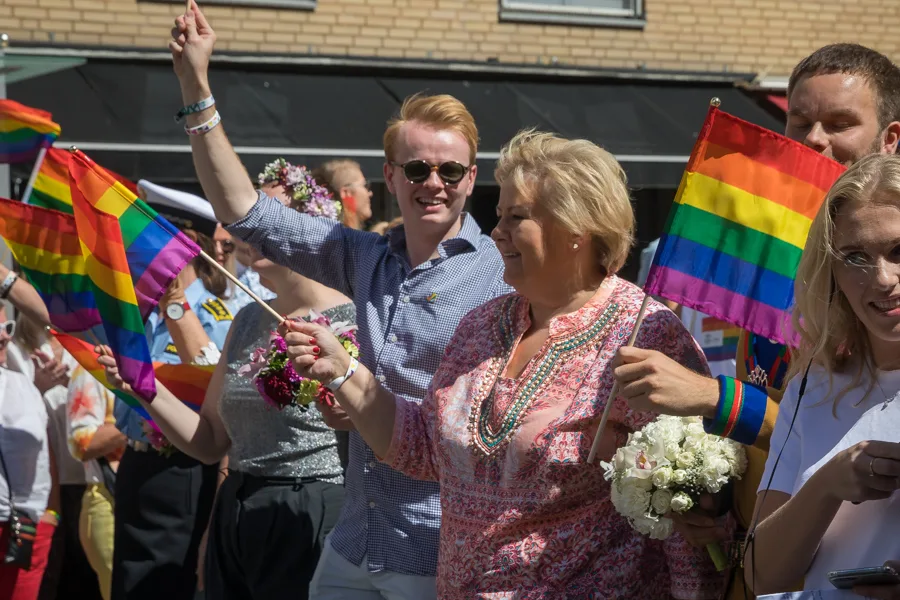
A Pride parade looks effortless. Floats glide, banners unfurl, the crowd roars on cue. Behind that single morning sits close to a year of paperwork, phone calls, fundraising and volunteer wrangling — most of it done by people who will never march.
So what does it take to stage one? In plain terms: a permitted route, a budget that covers security and sanitation, a volunteer corps large enough to move thousands of people safely, and a community willing to show up. Strip away any one of those and the parade does not happen.
This piece walks through the whole machine, from the first route sketch to the last barricade coming down. If you have ever watched a parade roll past and wondered who made it possible, this is for you. It is also for anyone quietly thinking about organizing one in their own town.
When does planning for a Pride parade actually start?
Long before the season. Organizers typically begin working on the following year's event almost as soon as the current one ends, because the big pieces — the route, the permits, the insurance — move on government timelines, not celebration timelines.
The sequence usually runs in phases. First comes the concept: what the parade is for, who it serves, what it should feel like. Then logistics: route selection, permit applications, coordination with police and city departments. Then the money: sponsorship, vendor fees, fundraising events. Finally, the human layer — recruiting marching groups, float builders, volunteers and performers.
The concept phase matters more than it sounds. A parade is a statement as much as a spectacle, and organizers spend real time deciding what theirs says. That is why no two parades feel quite alike, even when they share a route map and a sound system.
How does a parade get permitted in the first place?
Permits are the unglamorous spine of the whole operation. A parade closes streets, and closing streets requires the city's blessing. Organizers file applications with the local permitting office, often months ahead, describing the route, the start and end points, the expected number of participants and the planned street closures.
That application triggers a chain of reviews. Police weigh traffic and public-safety concerns. Public works weighs sanitation and road damage. Fire rescue looks at emergency access along the route. Each department can ask for changes, and each change ripples through the plan — a shifted staging area changes where floats park, where volunteers check in, where accessible viewing stands go.
Insurance is part of this layer too. Most municipalities require event organizers to carry liability coverage before a permit is issued, and larger parades add coverage for vendors, vehicles and contracted services. None of it is visible on parade day. All of it is required before the first banner is printed.
Where does the money come from?
Parades cost money at every step, and the budget is usually the tightest constraint in the whole plan. Security, barricades, sanitation, portable restrooms, first-aid stations, sound equipment, staging — each line item is real, and each one scales with the size of the crowd.
The money typically arrives from a mix of sources: sponsorships from local businesses, vendor fees for food and merch stalls, registration fees from marching contingents, ticketed fundraising events held months earlier, and community donations. Our analysis of how these events come together suggests the fundraising calendar is the invisible half of the parade — the galas, the parties and the benefit nights that make the free public celebration possible.
If you want to understand that half better, our guide to How to Host a Fundraiser That Actually Raises Funds breaks down how community events turn goodwill into a working budget. The principle is the same whether the goal is a parade or a neighborhood cleanup: start early, keep costs honest, and never let one sponsor's check dictate the program.
Who actually builds the floats and runs the show?
Volunteers, mostly. A parade runs on people who give up weekends to build floats, stuff swag bags, direct foot traffic and hand out water. The paid staff, where they exist at all, are usually a small core; the rest is a rotating cast of community members.
Float building is its own craft. Contingents start with a rented trailer or a borrowed flatbed, then layer on framing, fabric, paint and lights in the weeks before the event. Decorators work in borrowed garages and storage units. On the day itself, each float needs a driver, a spotter and a captain who keeps the group moving at parade pace.
Then there is the volunteer infrastructure nobody sees: route marshals who keep the march orderly, accessibility volunteers who help disabled attendees find good sightlines, hydration teams, and the quiet logistics of getting hundreds of participants from staging to step-off on time. South Florida's heat makes the water crews some of the most important people on the route. Marching in full sun is real exertion — the cardiovascular system moves roughly five liters of blood through the blood vessels at any moment, and heat and dehydration make that job harder, as the Human Anatomy Explorer from Innerbody explains in its overview of how the circulatory system works. Organizers who plan shade breaks and water stations are not being fussy. They are doing physiology a favor.
What happens on the day itself?
Parade day is choreography under pressure. Staging opens early, with contingents arriving in assigned zones and checking in with their captains. Floats are positioned in march order. Volunteers take their posts along the route. Police and private security coordinate on closures and crowd flow.
Then the parade moves, and the job becomes keeping it moving — at a steady pace, with gaps managed, with medical teams positioned along the route, and with a plan for anything from a stalled float to a summer storm. When the last contingent clears the route, a second shift begins: barricades come down, streets reopen, cleanup crews sweep the route, and volunteers return radios and vests.
The best-organized parades make all of this invisible. That invisibility is the point. The celebration is the visible ten percent; the other ninety is checklists, radios and people with clipboards.
What this means for anyone who wants to help
You do not need to chair an organizing committee to be part of the machine. The most useful things a community member can do are also the simplest: volunteer early rather than the week of, donate to the organizations doing the year-round work, and support the small businesses that sponsor when larger sponsors step back.
It also helps to know the calendar does not hibernate between June celebrations. Our events coverage follows the scene twelve months a year, from Wynwood Pride, Explained: Miami's Grittier June Celebration to Pride Fort Lauderdale: Why October Is South Florida's Second Pride. And if you are new to the biggest local one, Miami Beach Pride: A First-Timer's Practical Guide covers what to expect on the ground.
The evidence of every well-run parade points the same way: these events are built by ordinary people doing unglamorous work, months in advance, for one bright morning. The next time a float rolls past and the crowd cheers, that is worth remembering — and maybe worth joining.