Miami's LGBTQ+ history survives in photographs more than monuments. The bars that closed, the parades that scattered, the activists whose organizations folded — the images remain, scattered across museum collections, newspaper archives, and the private drawers of the community's own photographers. How that visual record is kept is the quiet infrastructure question of local queer history: who shot it, who saved it, and who can see it now.
Where does Miami's queer visual record actually live?
In three layers. The institutional layer: HistoryMiami Museum, the region's flagship history museum, holds photographic collections documenting the city's communities, per its published collections, and has exhibited material from Miami's LGBTQ+ past. The press layer: decades of local newspaper and alternative-weekly photography — nightlife, protests, pride festivals — sit in newspaper archives, much of it digitized and searchable, documenting the public record week by week. The community layer: the photographers who shot the scene for love and pay — club nights, parties, pageants — hold archives in private collections, the least cataloged and most vulnerable layer of the three.
Why do private archives disappear?
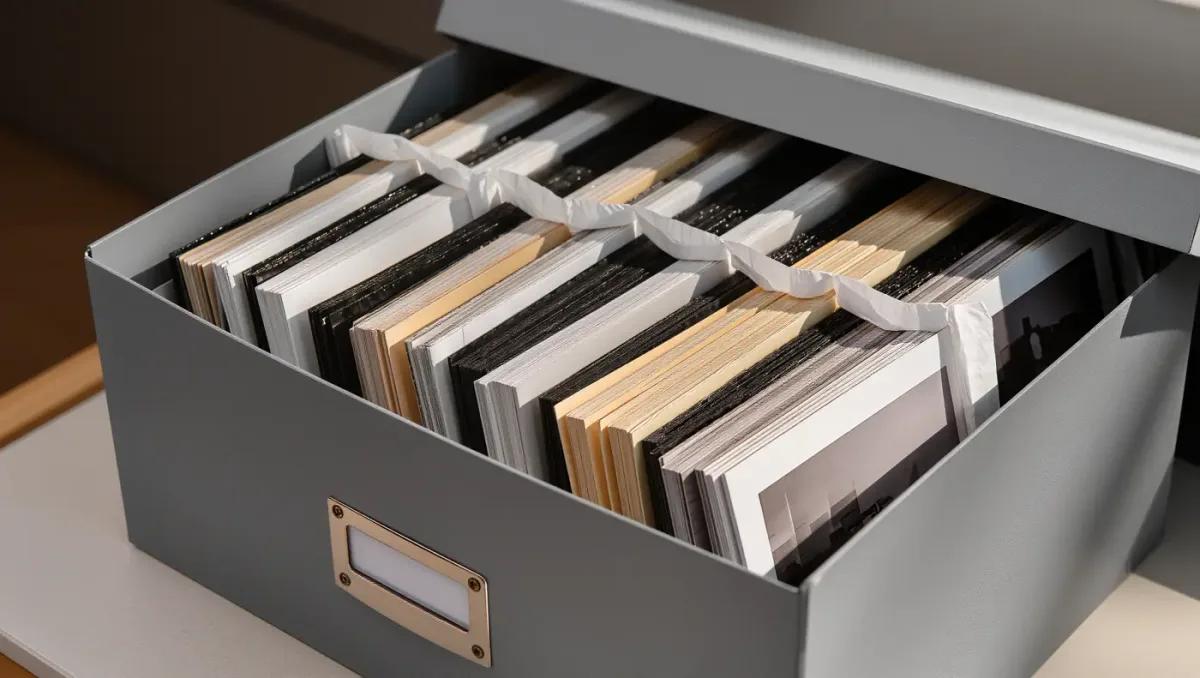
For physical reasons: prints and negatives deteriorate, and when the photographer moves, downsizes, or dies, unclaimed archives face the dumpster unless someone intervenes. The pattern is documented across community photography nationwide — countless regional scenes survive only in fragments because nobody arranged transfer to an institution. South Florida is no exception: the club-era archive of the 1980s and 1990s exists in whatever state its photographers' heirs and collectors maintained. The community's archival organizations exist partly to intercept these collections before they vanish — a race between memory and storage space that runs continuously.
What do the photographs document, beyond parties?
The political record. Miami's queer history is event-dense — the 1977 ordinance fight drew national coverage and documentary photography; the crisis years generated both journalism and activist imagery; pride celebrations from the 1970s forward mark the community's public growth in annual frames. Per archival finding aids and press archives, the photographic record of these events is the primary way the community's public history is taught and exhibited — textbooks aside, the images are the history as most people encounter it.
How are institutions handling consent and privacy in old images?
With increasing care, particularly around images not meant for public display. Archival practice in recent decades has evolved on this point: photographs of people at private community events — taken in spaces that were safe precisely because they were not public — raise questions that party-documentation from fifty years ago never anticipated. Museums and community archives now weigh context, consent history, and community consultation before exhibiting sensitive materials, per evolving professional standards in recent years. It is a live tension in every community archive: the record's value versus the subjects' expectations.
How can the community protect its own visual record?
Practically: label what exists — names, dates, places, written on the back or in a file, while memory holds; talk to institutions about transfer before estates settle; and support the regional archives that accept community collections, whose acquisition budgets are perpetually thin. Every family drawer in this city might hold a negative that documents a venue, a protest, or a person that exists nowhere else. The archive of Miami's queer history is not a building — it is what survives, wherever it survives, and what gets saved before the next move.