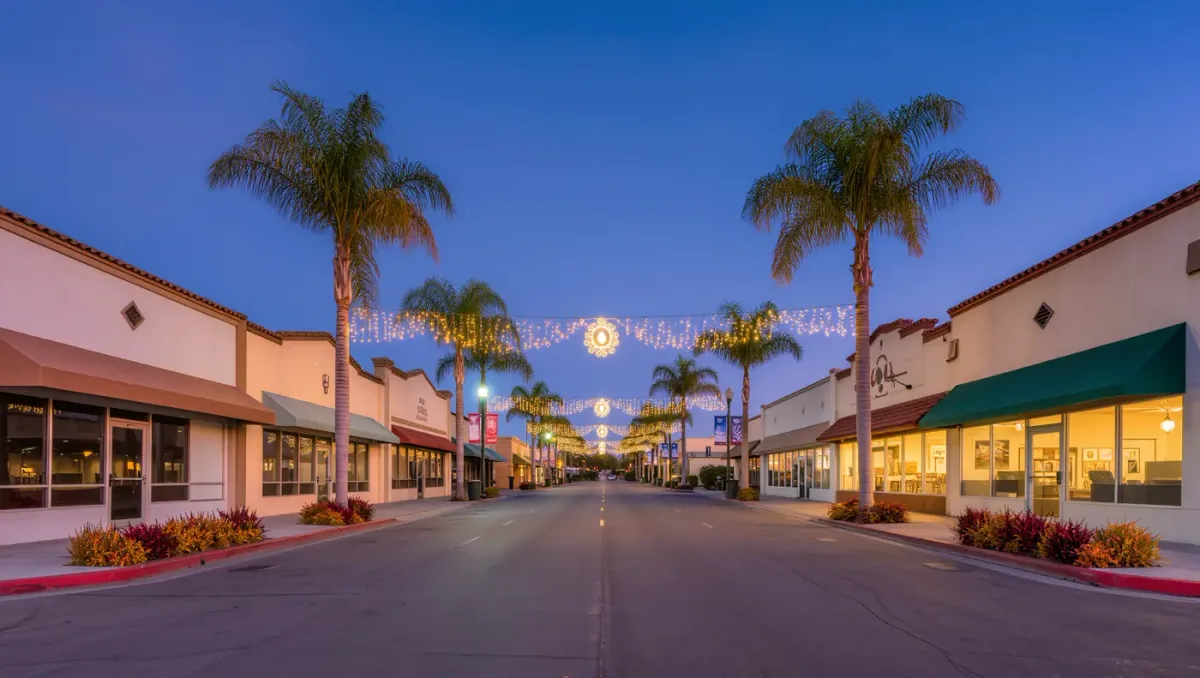
Pride Fort Lauderdale, held in October, is the second half of South Florida's pride season: the fall festival that gives Broward County its own headline celebration, months after Miami Beach's April event. Per the pride organization's published schedules in recent years, the celebration spans multiple days in October — anchored by a festival and parade — in a county whose LGBTQ+ community, concentrated in Wilton Manors and Fort Lauderdale, ranks among the most visible in the United States. For Miamians, it is an hour north on I-95; for visitors, it is a reason to build a second Florida pride into the same year.
Why does Fort Lauderdale celebrate in October?
The same logic that pushed Miami Beach into spring, mirrored: Broward's October weather is cooling, tourism between the summer and winter peaks is softer, and the calendar slot avoids collision with every spring pride in the region. October also carries national observances — National Coming Out Day on October 11 and Spirit Day in late October — and Fort Lauderdale's pride programming often runs alongside them, per the organization's schedules. The effect is a genuine second season: by the time Fort Lauderdale's festival weekend ends, South Florida has had pride celebrations across three seasons of the year.
What is the celebration like?
Multi-day and neighborhood-based. Recent editions have included a parade, a festival with stages and vendors, and programming spread through Wilton Manors — the small city that serves as Broward's LGBTQ+ downtown — per organizer announcements. Compared to Miami Beach Pride's resort-scale production, Fort Lauderdale's version reads more local: a higher share of residents, venues that operate year-round, and a festival footprint walkable from the district's bars and restaurants. Crowd size in recent years has reached into the tens of thousands across the weekend, per organizers' estimates.
What is Wilton Manors, in one paragraph?
The district most Miami visitors underuse. Wilton Manors is a small city completely surrounded by Fort Lauderdale, with one of the highest concentrations of LGBTQ+ residents, venues, and businesses in the country — a mainland alternative to South Beach where the community's institutions are the everyday economy. Its strip along Wilton Drive holds the bars, stages, and community organizations that anchor pride weekend, and its year-round scene is why Broward sustains a fall pride: the audience does not leave after June, so October works.
How should a Miami visitor plan the trip?
Two options: drive or take Brightline. The rail line connects downtown Miami to Fort Lauderdale in about half an hour, with the festival district a rideshare from the station, per published transit schedules; driving means I-95 traffic and October weekend pricing. Book lodging early in Wilton Manors or adjacent Fort Lauderdale for walkability, and plan around the parade's road closures if driving. As always, the pride organization's own channels carry the authoritative schedule, which shifts year to year and is subject to change.
Why does the second pride matter to the region?
Because a twelve-month community needs more than one festival. Fort Lauderdale's October pride extends the season's economic and civic life into the fall, gives Broward organizations a headline fundraising moment, and keeps pride visible in Florida's most contested political years — a public demonstration in October, when national attention has moved on. For South Florida as a region, the second pride is the proof that the calendar is structural, not seasonal: the community celebrates when its cities choose to celebrate.